
Last updated November 23, 2026
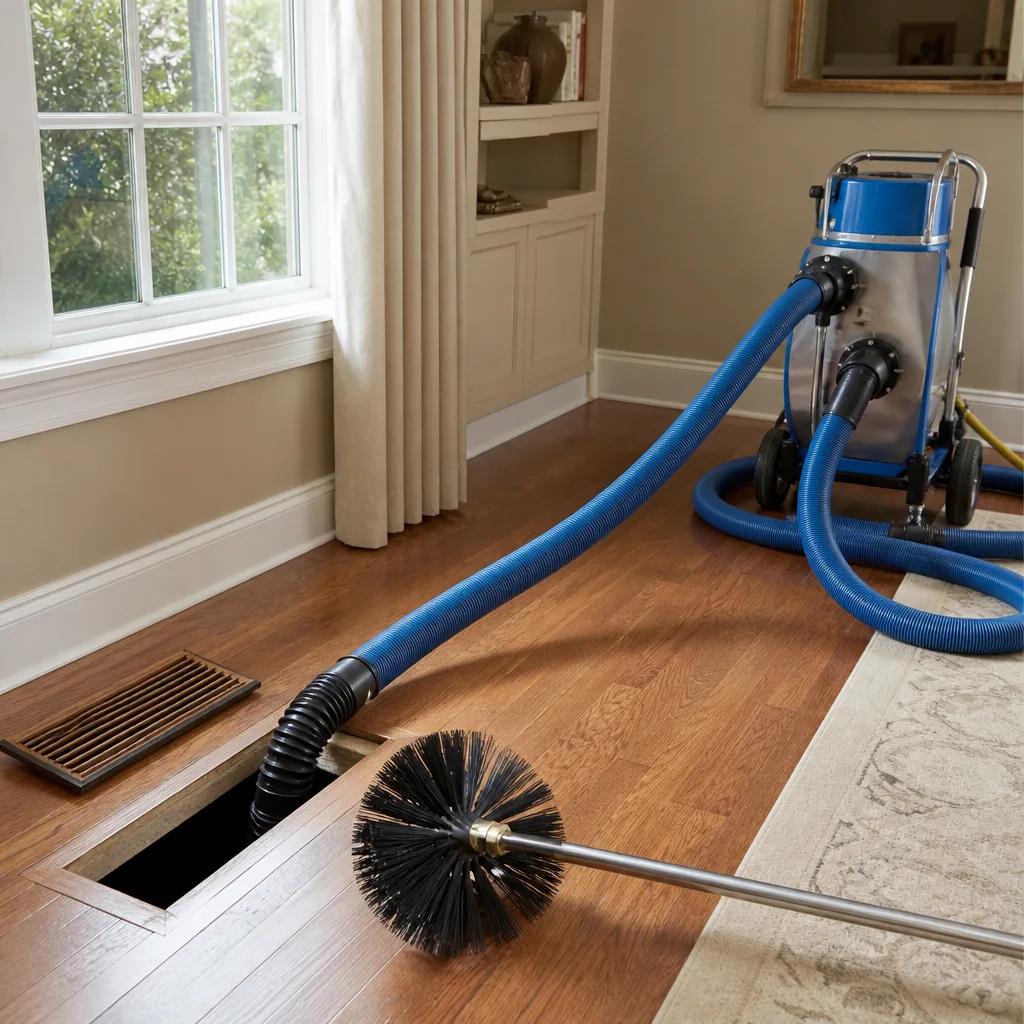 Whole-home duct cleaning
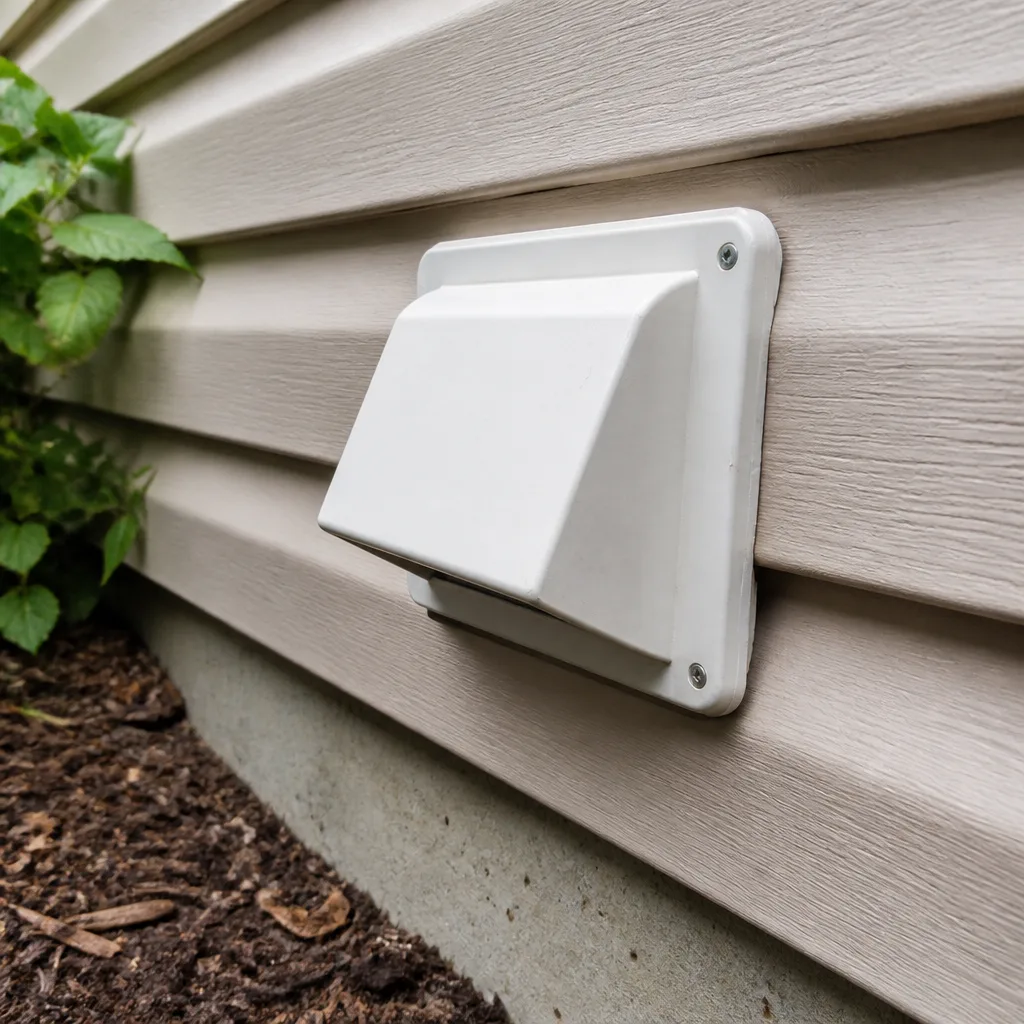 Dryer vent cleaning
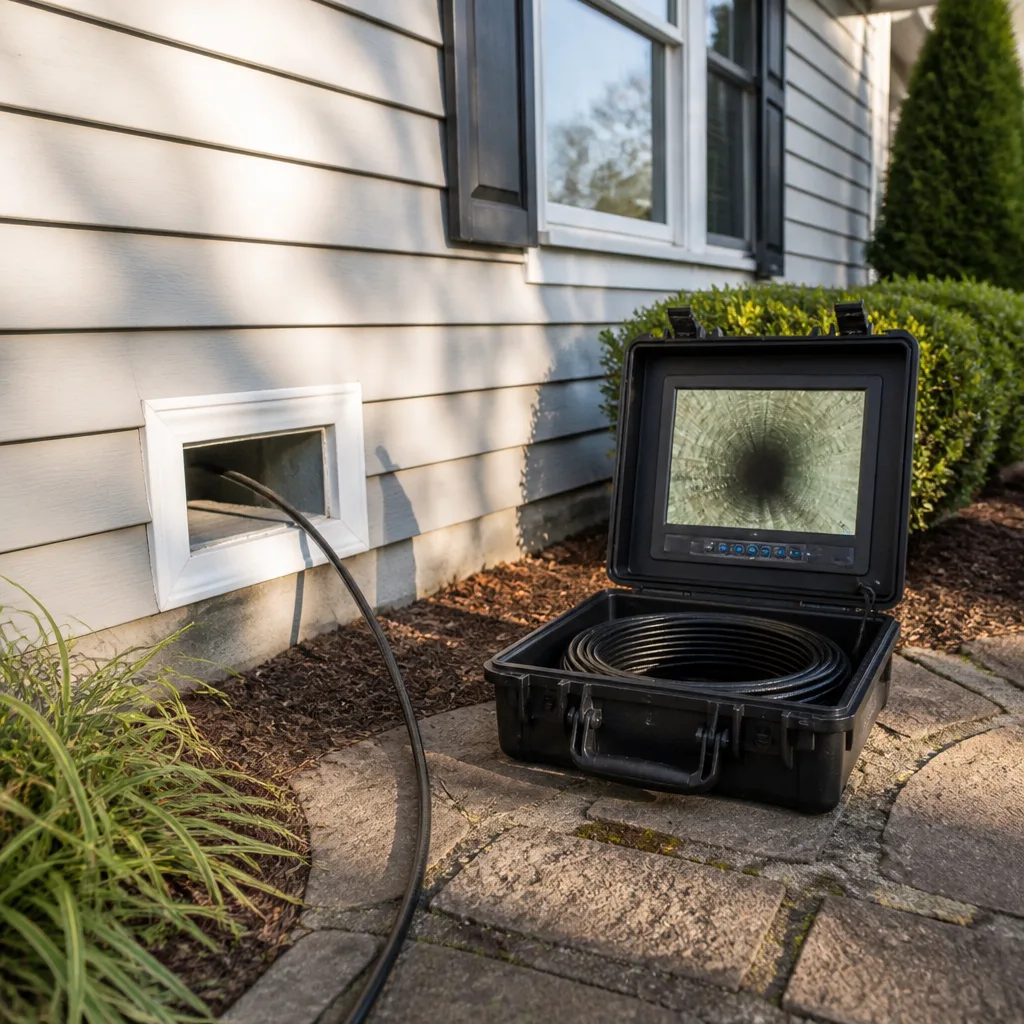 Camera inspection
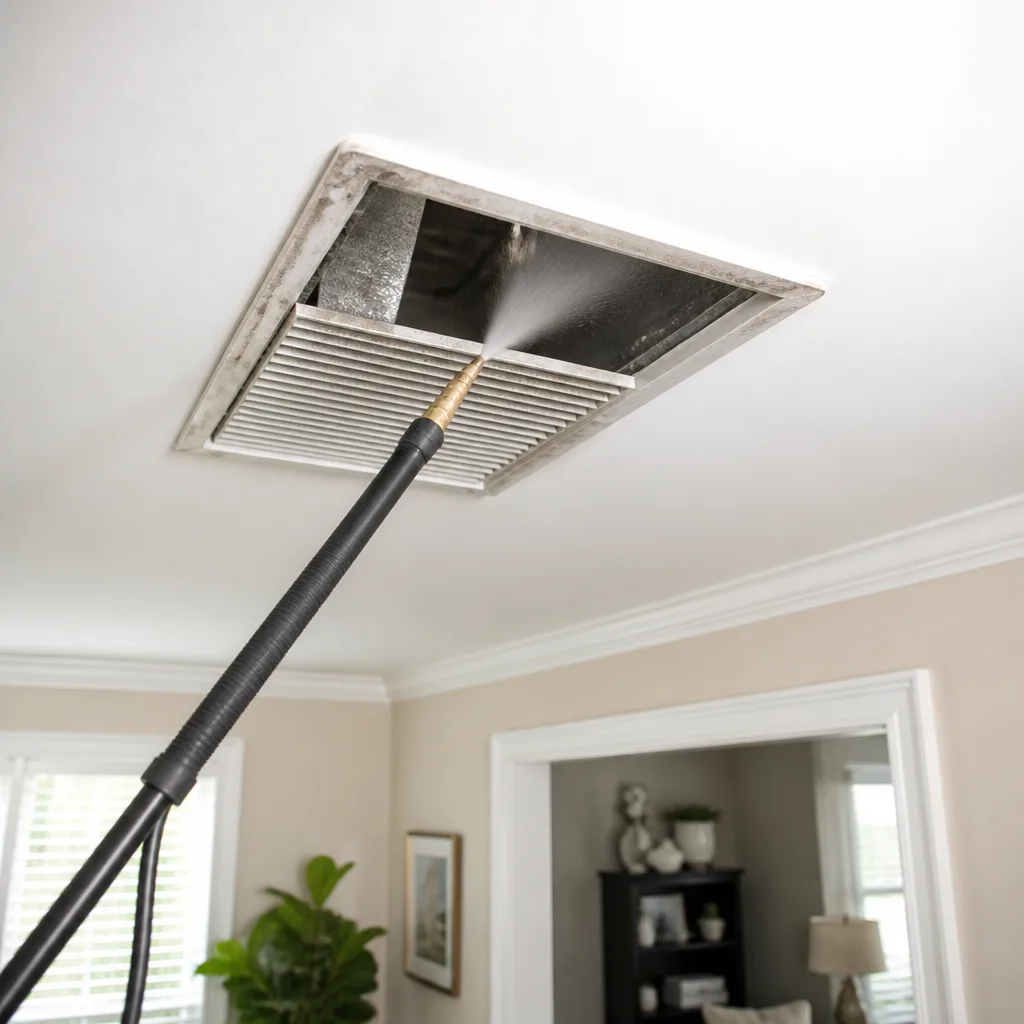 Sanitizing & deodorizing
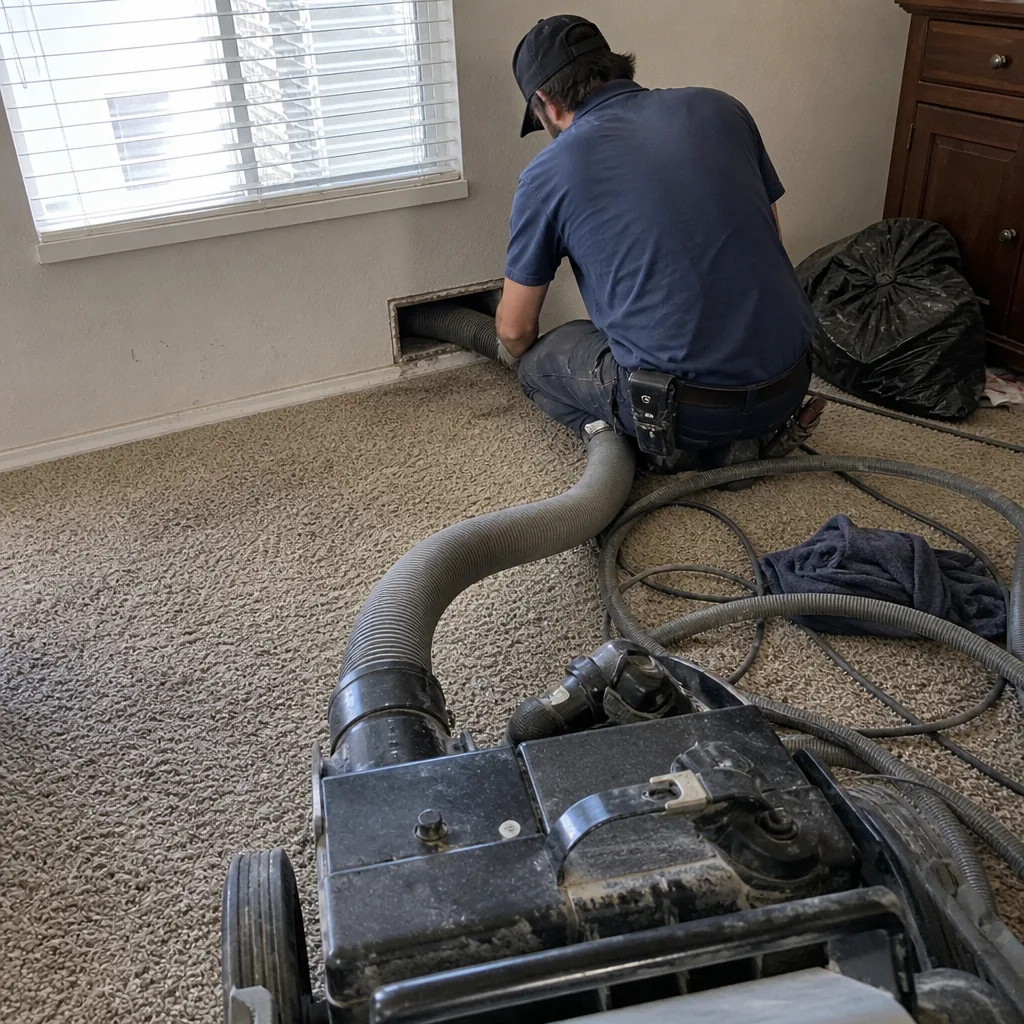
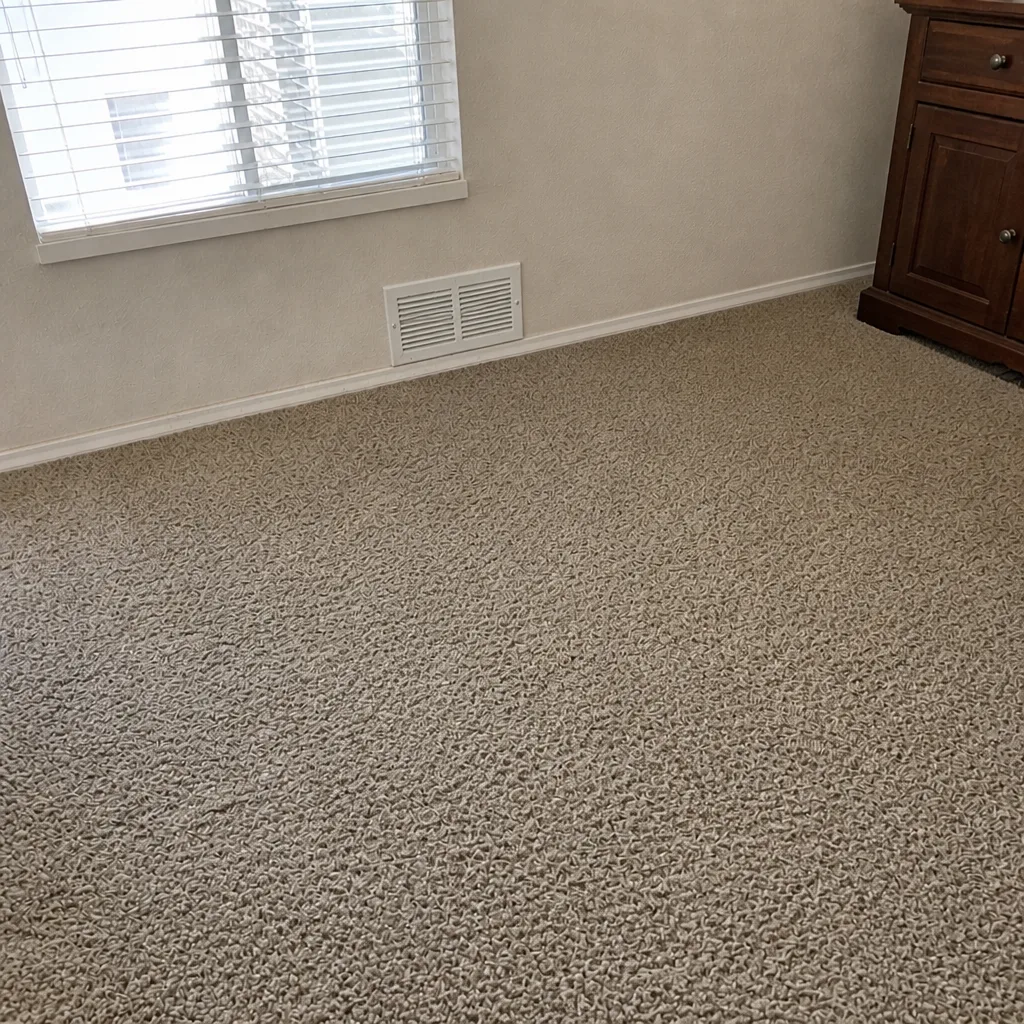
Whole-system duct and dryer vent check with before-and-after photos - you see exactly what came out of your vents
That "$99 whole-house special" is a bait ad - the real number appears once they are in your hallway, or the "clean" is a shop-vac at the register. We photograph the inside of your ducts before and after instead.
Air Duct Cleaning Permits, Codes & Inspections in Taylorsville, UT: What You Need to Know
Here’s the part that surprises most homeowners: a duct upgrade that noticeably improves your airflow can also cross a line into work that Utah’s adopted mechanical code expects to be permitted. Routine cleaning sits on one side of that line. Repair, re-routing, and certain kinds of sealing sit on the other. The gap between the two is where well-intentioned projects get homeowners into trouble, sometimes years later when an inspector starts asking questions during a home sale. This guide draws that line clearly for Taylorsville, Utah, explains how Salt Lake County handles mechanical permits, and shows you how to verify a contractor’s answer instead of taking it on faith. It’s the reference we wish every homeowner had before signing a work order.
Quick Answer
Routine air duct cleaning in Taylorsville does not require a permit. But if the work involves repairing, replacing, re-routing, or permanently resealing ductwork, it can fall under Utah’s adopted International Mechanical Code, and that means a mechanical permit through the Salt Lake County building department is often required. Taylorsville does not run its own building department, so mechanical permit intake and inspection scheduling go through Salt Lake County rather than a city office.
Styles & brands we work with
- Whole-home duct cleaning
- Dryer vent cleaning
- Camera inspection
- Sanitizing & deodorizing
Table of Contents
- Cleaning vs. Repair: Where the Permit Line Actually Sits
- How Utah’s Mechanical Code Applies to Ductwork in Taylorsville
- The Salt Lake County Mechanical Permit Process, Step by Step
- Why Taylorsville’s Place in Salt Lake County Matters for Inspections
- What “Duct Sealing” Means Under Code vs. in Marketing
- Aerosol Sealing Systems and Their Standards
- How to Ask a Contractor the Right Questions and Verify the Answers
- What a Mechanical Inspection Actually Checks
Cleaning vs. Repair: Where the Permit Line Actually Sits
The fastest way to think about this is: cleaning removes what’s inside the ducts; repair and modification change the ducts themselves. Cleaning is a maintenance activity. Repair is construction work, and construction work in a mechanical system is where the code steps in.
Routine air duct cleaning in a Taylorsville home involves dislodging accumulated debris from duct walls, capturing it with HEPA-rated vacuum equipment, and confirming airflow afterward. Nothing about that process alters the physical system, so no permit is triggered. We use Rotobrush rotary-brush systems and Nikro HEPA equipment because compacted debris in a Utah Valley home tends to cling to duct walls rather than sit loose, and a shop vac won’t move it.
The picture changes the moment a job involves any of the following:
- Cutting into or re-routing a rigid trunk line to improve airflow to a room that’s always been stuffy
- Replacing a section of crushed or disconnected flex duct behind a wall or in an attic run
- Adding a new supply or return branch that didn’t exist before
- Permanently sealing joints and seams as a system-wide modification rather than a maintenance touch-up
- Connecting or reconnecting HVAC equipment in a way that changes the system’s configuration
Any of those can require a mechanical permit under Utah’s adopted code. That’s a big distinction, and it’s one that cheap cleaning quotes tend to blur because the contractor doesn’t want to slow the sale down. If a company offers to “fix that disconnected run while we’re in there” for no extra paperwork and no permit discussion, that’s a moment to pause and ask questions.
In our experience working on Taylorsville homes, the jobs that sit closest to the line are older properties where ductwork has been patched informally over the years, and newer builds where a homeowner wants to fix a room that never got adequate airflow. Both are legitimate reasons to call a professional, and both deserve an honest answer about permits.
How Utah’s Mechanical Code Applies to Ductwork in Taylorsville
Utah adopts the International Mechanical Code at the state level, and local jurisdictions enforce it. That’s the framework that makes ductwork repair potentially permit-required: the IMC covers mechanical systems broadly, including duct distribution, and modifications to a covered system are generally subject to permitting and inspection.
What that means in practical terms for a Taylorsville homeowner:
- Cleaning is not regulated construction activity. It’s maintenance.
- Repair, replacement, and system modification are construction activity and can require a mechanical permit.
- The permit requirement is about the scope of work, not the address. A duct repair in Taylorsville is treated the same way it would be in any other Salt Lake County community.
- Whoever pulls the permit is legally responsible for making sure the work matches what was permitted. If a contractor pulls it and then changes the plan on-site without amending the permit, that’s a problem.
Utah’s climate adds a practical layer. Summers in the Salt Lake Valley push a lot of dust and pollen through return air, and winters drive long heating cycles that stress duct joints. Ductwork that’s been patched and re-patched over many years tends to develop exactly the kind of leaks that make a homeowner consider repair. That’s fine. The point is to approach it as a permitted scope of work when the code calls for one, not as a quiet Saturday project.
If you’re already planning a broader HVAC cleaning visit, ask the team to note any duct damage in their report before you commit to repair. Knowing the scope is what tells you whether a permit conversation is coming.
The Salt Lake County Mechanical Permit Process, Step by Step
Here’s how a mechanical permit generally runs for ductwork in Taylorsville. The county is the permitting authority, so the sequence below is framed around the Salt Lake County building department rather than a city office.
- Confirm the scope triggers a permit. Cleaning: no. Repair, replacement, re-routing, or system modification: likely yes. Get that answer in writing from the contractor before work begins.
- Decide who pulls the permit. In most residential work, the licensed contractor pulls it on the homeowner’s behalf. If a contractor asks you to pull it as the homeowner, ask why. That’s an unusual request for this kind of work and worth understanding before you agree.
- Submit the application. The county’s online permit portal handles most residential mechanical applications. The application needs a scope description and typically the property address and contractor information.
- Wait for review. Straightforward mechanical permits usually clear review in a short window. Anything that looks like a structural change or involves unclear drawings can slow it down.
- Complete the work. The contractor performs the repair or modification as described in the permit.
- Schedule the inspection. Once the work is done, the inspection gets scheduled through the county. In our experience the scheduling window is usually a few business days depending on the county’s workload.
- Get the sign-off. The inspection is what closes the permit. A permit that never got inspected is still an open item as far as future buyers and their inspectors are concerned.
That last point is the one to hold onto. An unpermitted duct modification doesn’t usually cause trouble the day it’s done. It causes trouble when a buyer’s inspector notes ductwork that doesn’t match the home’s permit history, and then a title company starts asking for records that don’t exist.
Why Taylorsville’s Place in Salt Lake County Matters for Inspections
One thing that confuses people: Taylorsville is an incorporated city, but it doesn’t run its own building department. That means building and mechanical permit intake goes through Salt Lake County, not a city hall counter. Where this matters practically:
- Application and records live with the county, not with the city. If you need a permit history for a home in Taylorsville, that’s a county request.
- Inspection scheduling runs through the county’s system. The timeline reflects county workload across the whole county, not just Taylorsville.
- Code enforcement for the actual work follows the adopted code the county enforces – which is the same code enforced across other county communities.
- A contractor who works in neighboring cities with their own building departments is dealing with a different intake process than here. Any contractor working in Taylorsville should be able to tell you that permit intake goes through the county. If they don’t know that, it’s a red flag.
What this doesn’t change: the underlying code rules are consistent, and a scope of work that needs a permit in one Salt Lake County city needs one in Taylorsville. What changes is the paperwork path. That’s a distinction worth confirming if you get quotes from contractors based outside the county.
This is also a reason we’ve built our process around clear scoping. If we’re going to recommend duct repair, we want the homeowner to know whether a permit is likely to be part of the job before we hand over an estimate. It’s a simpler conversation that way.
What “Duct Sealing” Means Under Code vs. in Marketing
“Duct sealing” gets used more loosely than almost any term in this trade. So let’s separate the two meanings clearly.
In marketing language, “duct sealing” often means the contractor runs a bead of mastic along a few visible joints, wraps a little foil tape on obvious gaps, and calls it done. That’s maintenance touch-up. It can help airflow marginally and it’s a reasonable thing to include in a cleaning visit, but it does not fundamentally change the system.
Under code, “duct sealing” can mean a system-level modification where the ductwork is permanently reconfigured to meet a specified leakage class. That’s construction work. It can require a permit, and the finished system may be expected to demonstrate a defined leakage rate through testing.
Which bucket you’re in depends on scope. Our Taylorsville Air Duct Cleaning Pros team approaches duct repair and sealing as an integrated service because we’ve seen too many homes where cleaning alone addresses the symptom without addressing the source. When we recommend sealing, we tell you which kind we’re proposing and why.
The practical takeaway:
- Mastic on a handful of visible seams: usually maintenance, usually no permit.
- System-wide permanent sealing to a specified leakage standard: usually construction, usually permits.
- Ask which kind the estimate covers. The answer should be clear before you sign anything.
Aerosol Sealing Systems and Their Standards
Aerosol-based duct sealing systems (the category Aeroseal belongs to) seal leaks from the inside by injecting a fog of sealant particles that accumulate at gaps and close them. The result can be a measurable reduction in system leakage, and that’s real, not hype.
The code question is whether the installation meets its own standards and any that apply to system modifications. In practice:
- Aerosol sealing is not a maintenance add-on. It’s a system-level modification of ductwork and should be scoped as such.
- It’s typically paired with a before-and-after leakage test that documents the change. That test result is what makes the job verifiable.
- Whether a permit is required depends on the jurisdiction and the specific scope. In Salt Lake County, mechanical modification of ductwork is where that question gets answered.
- Some homes aren’t good candidates. Ductwork in poor condition, or with sections already disconnected underneath insulation, will often need physical repair first.
We don’t treat aerosol sealing as a silver bullet for every home. When we recommend a duct repair and sealing scope, we do it after an inspection that shows what the system actually looks like. Our air duct cleaning inspection step is where that evidence comes from. If the ducts aren’t structurally sound yet, sealing comes later.
How to Ask a Contractor the Right Questions and Verify the Answers
You don’t need to be a code expert. You need to ask the right questions and know how to check the answers. Here’s the exact sequence we’d suggest.
- “Is the scope you’re proposing cleaning or modification?” The answer should be clear and specific. “Both” is a fine answer only if the contractor can describe which part is which.
- “Does this scope require a mechanical permit in Salt Lake County?” A competent contractor should give you a direct yes, no, or “I’ll confirm before we start.” Vague hedging means they haven’t scoped it properly.
- “Who pulls the permit if one is needed?” If the answer is “you should pull it,” get the reasoning in writing.
- “Will the work be inspected?” If a permit is being pulled, expect an inspection. If the contractor says the inspection “usually doesn’t happen,” that’s a problem.
- “Are you licensed and insured as the state requires?” That’s the baseline. A licensed contractor will answer without hesitation.
- “Can I verify the permit status myself?” The answer is yes. Salt Lake County’s permit portal lets you look up a property’s permit history and open permits.
To verify independently, look up the property address in the county’s permit system and see what’s been recorded. If a permit was pulled for the duct work, it should show up. If a permit shows as open with no final inspection, ask why. The county is the source of truth: the contractor’s word matters less than the record.
This also works in reverse when you’re buying a home. Pull the permit history on any Taylorsville property you’re considering, especially if the listing mentions “recent duct work” or “upgraded HVAC.”
What a Mechanical Inspection Actually Checks
If a mechanical permit is in play, the inspection is the step that closes it. It’s a verification visit, not a re-do. What the inspector is generally looking for:
- That the work performed matches what was described on the permit
- That duct connections are properly joined, supported, and sealed at the points that were part of the scope
- That the system is connected as intended, with supply and return paths intact
- That any required testing documentation exists (this matters more when sealing or aerosol work is involved)
- That no secondary issues were created as a side effect of the work
An inspection isn’t a full duct cleaning verification. It’s not checking whether the inside of the ducts is clean. That’s why we document our cleaning process with before-and-after photos and airflow notes on every job. The inspection is the county’s response about the physical work; the photos are ours about the cleaning. Different questions.
If your contractor is doing both cleaning and repair under one scope, expect two separate verification paths: a county inspection for the permitted portion, and a photo record for the cleaning. Ask for both.
Common Mistakes to Avoid
- Assuming every duct job is permit-free. Cleaning, yes. Repair, replacement, re-routing, and system sealing can all require a permit under Utah’s adopted code. Treat “cleaning” as the safe assumption and every other word as a question that needs an answer.
- Letting a contractor “just fix that while we’re in there.” A quick on-site repair without a permit is exactly the situation that comes back to bite a homeowner during a home sale inspection in Taylorsville years later.
- Pulling your own permit because the contractor asked you to. That shifts legal responsibility for the work onto you. For duct repair, the licensed contractor should normally be the applicant. Ask why if they’re asking you.
- Assuming Taylorsville has its own building department. It doesn’t. Permit intake runs through Salt Lake County. If a contractor tells you to file with “the city,” they don’t know this market.
- Trusting “sealing” without a scope description. A few daubs of mastic is not the same as a system-level seal. Get the scope in writing, including whether post-work testing is part of the deliverable.
- Skipping the inspection after the permit is issued. An open permit stays open. Let the process finish.
- Never looking up permit history before buying a home. If you’re shopping in Taylorsville, the county’s permit portal shows you what’s actually been recorded. It’s a five-minute check that can save a real headache.
See the difference
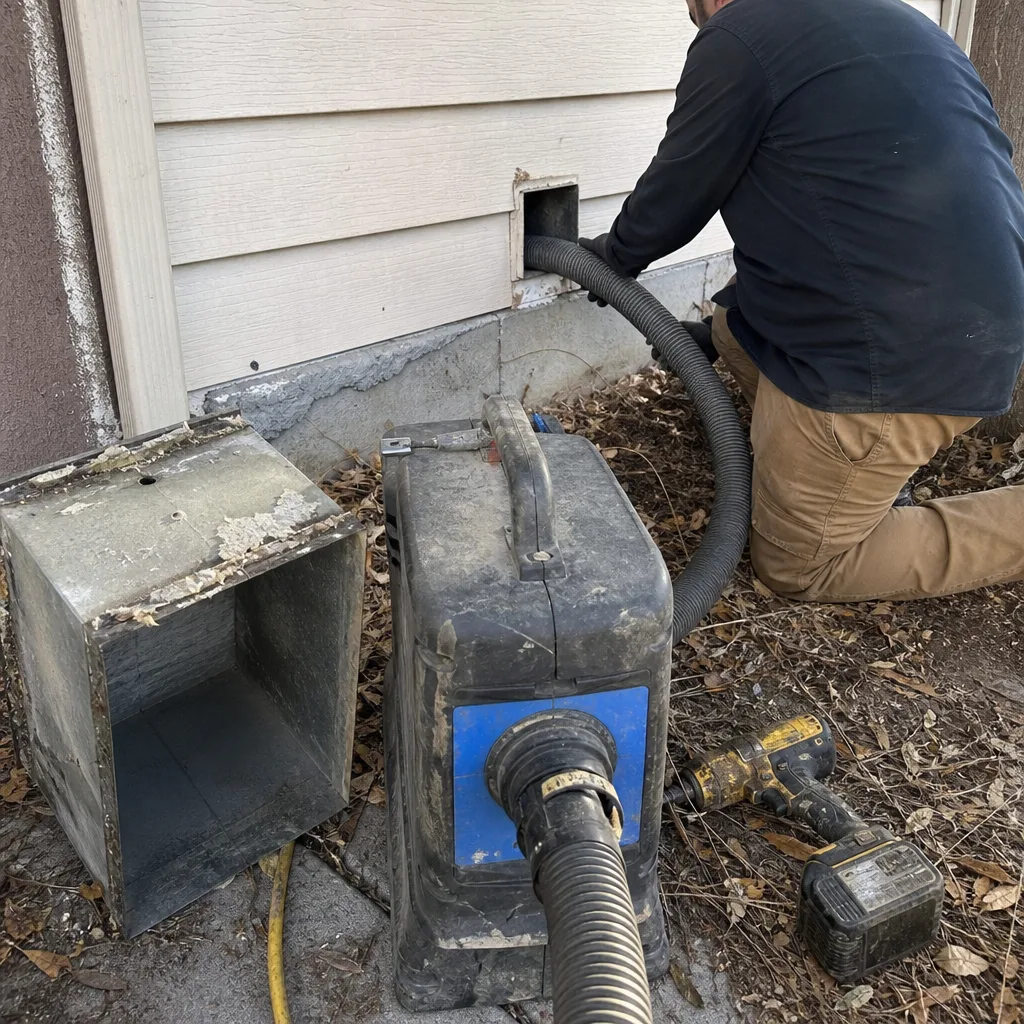 Before
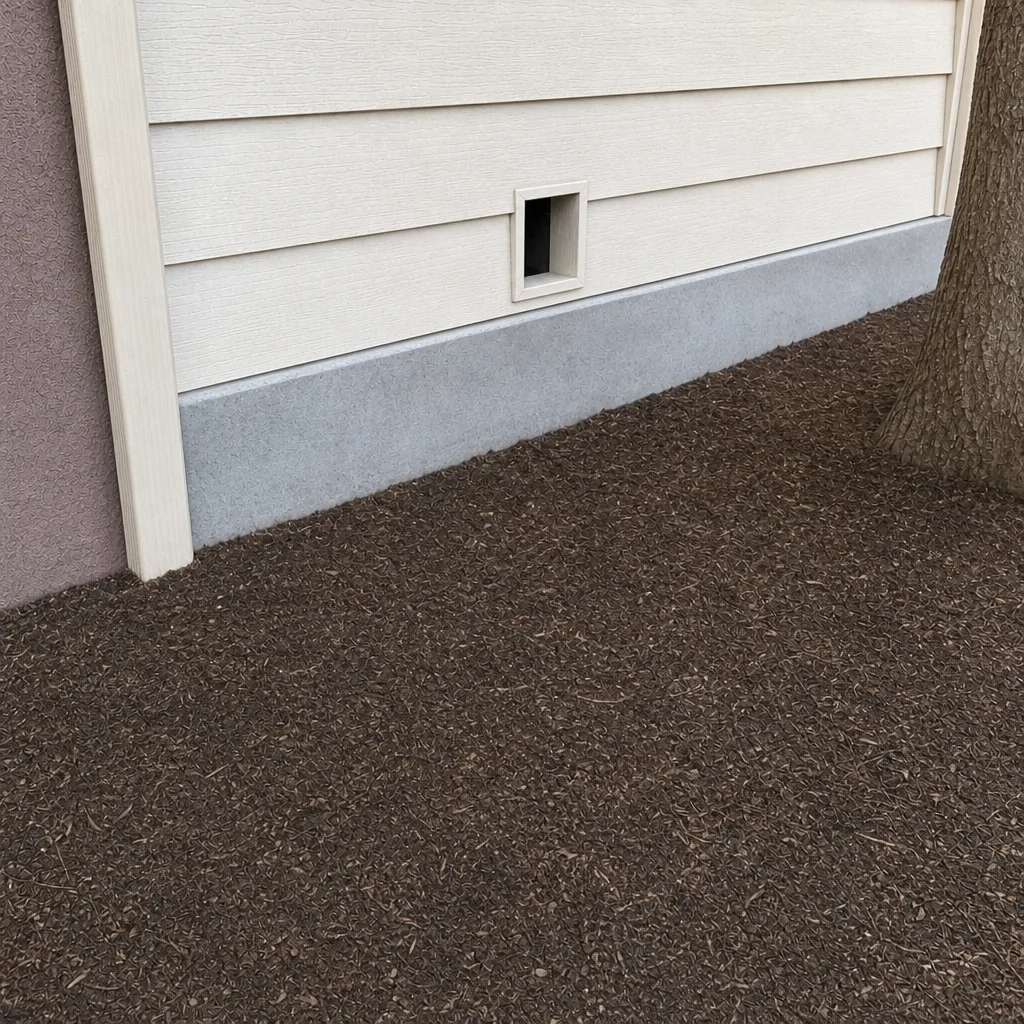 After
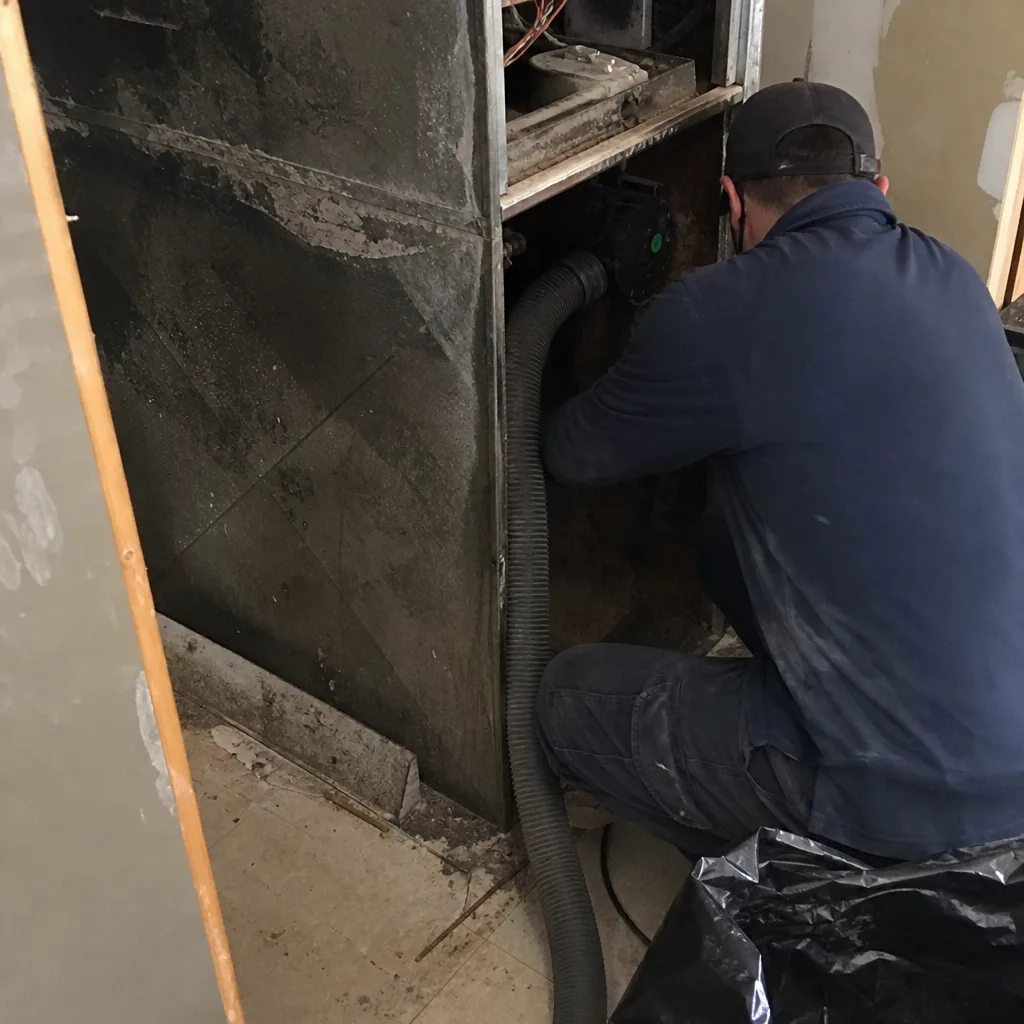 Before
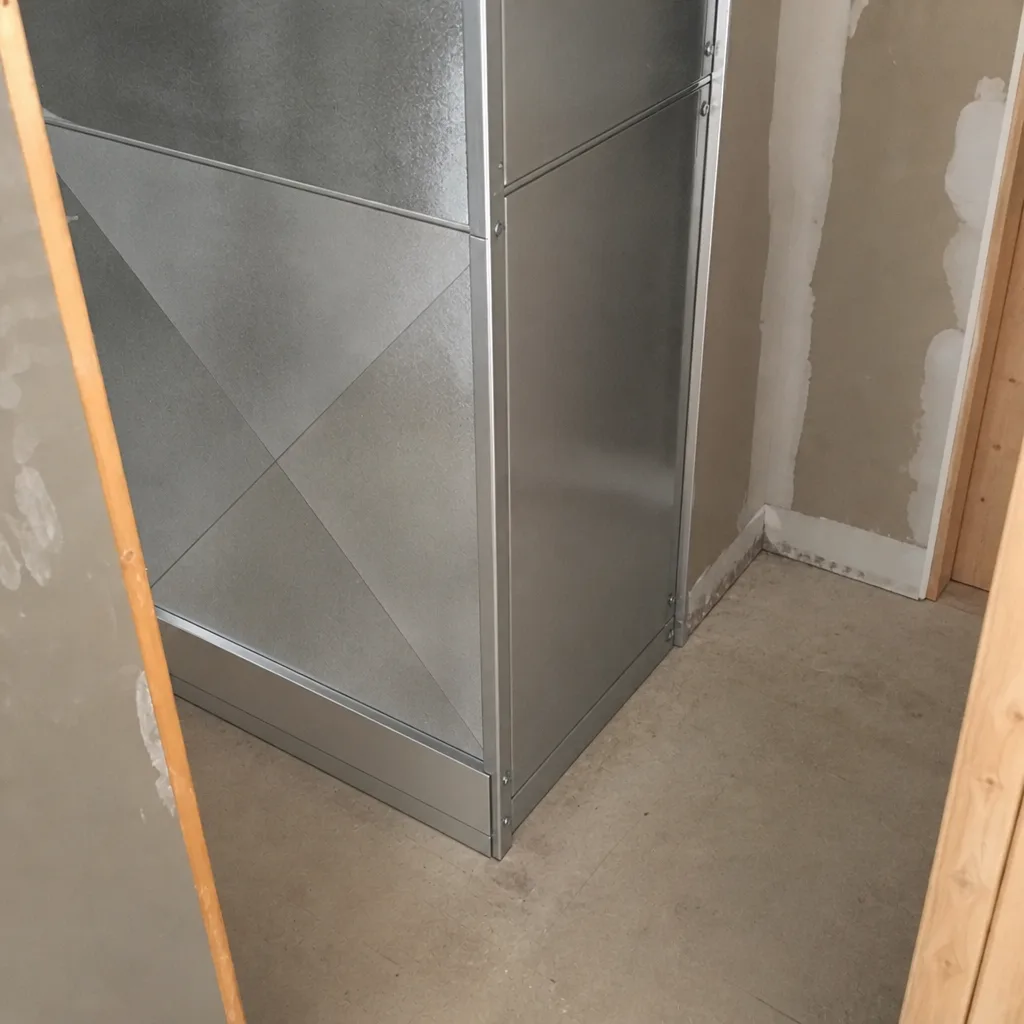 After
 Before
 After
When to Call a Professional
Call a professional when a scope question is unclear, when you suspect duct damage, when airflow has dropped noticeably in one or more rooms, when you’re planning a home sale and want permit history confirmed, when you’ve noticed musty odors coming from registers, or when a previous contractor’s scope doesn’t add up to what the county has on record. Ductwork repairs are matters of system integrity, and getting them right the first time – including the permit conversation – is how you avoid a problem in two years. For cleaning and inspection work, our dryer vent cleaning and air duct calls start with an inspection so we can tell you what your system actually needs. Taylorsville Air Duct Cleaning Pros offers free estimates in Taylorsville – call (833) 468-5997. We answer 24/7. Fast dispatch from 7am to 7pm, Sunday through Friday.
Frequently Asked Questions
No. Routine air duct cleaning is maintenance activity and does not require a mechanical permit. Cleaning a system doesn’t alter the ductwork, so it doesn’t trigger the mechanical code. If a contractor suggests cleaning requires a permit, that’s a sign they’re scoping something beyond cleaning. Call (833) 468-5997 for an exact quote – estimates are free.
When it modifies the duct system itself – replacement, re-routing, addition of branches, or system-level permanent sealing. Utah’s adopted mechanical code covers ductwork as part of the mechanical system, and modifications generally fall under permit requirements. Confirm with your contractor in writing and verify through Salt Lake County’s permit portal. Call (833) 468-5997 if you want a scope conversation before you commit.
Normally the licensed contractor, in most residential mechanical work. If a contractor asks you to pull it as the homeowner, ask them to explain why in writing before you agree. Pulling your own permit shifts legal responsibility for the work onto you. Call (833) 468-5997 to discuss what a proper scope of work looks like.
Possibly, because it’s a system-level modification rather than maintenance. Whether the specific job requires a permit depends on the scope and on Salt Lake County’s determination. A proper aerosol sealing job comes with a before-and-after leakage test that documents the result – that’s the piece that makes the job verifiable, whatever the permit answer is. Call (833) 468-5997 for a scoping conversation.
Straightforward residential mechanical applications typically clear review in a short window, and inspections are usually scheduled a few business days out depending on the county’s workload. The timeline reflects Salt Lake County’s schedule, not a city of Taylorsville schedule, since Taylorsville routes building permits through the county. Confirm current timelines with the county at the time of application. Call (833) 468-5997 if you want a realistic project timing before you commit.
It can. Home inspectors and buyers’ agents often pull permit history, and ductwork that doesn’t match the recorded history is a finding. Sometimes it’s minor; sometimes it stalls a closing while records get sorted out. The simplest path is getting the permit right the first time. Call (833) 468-5997 for a free estimate on repair work.
The Bottom Line
Routine air duct cleaning in Taylorsville doesn’t require a permit. Repair, replacement, re-routing, or system-level sealing can. The line between those two is the one thing this guide is here to draw clearly, because most homeowners don’t discover it until something goes wrong. Salt Lake County handles mechanical permits for Taylorsville; the process is straightforward when it’s scoped properly; and verification through the county’s permit portal is always available to you. Ask the right questions before work starts, get the scope in writing, and confirm the answers independently. Our technicians have up to 12 years of experience and we work with professional Rotobrush and Nikro equipment on every job – but the permit conversation is the part we take most seriously. Call (833) 468-5997 for a free estimate. We answer 24/7. Fast dispatch from 7am to 7pm, Sunday through Friday.
Written by the team at Taylorsville Air Duct Cleaning Pros.