
Last updated November 23, 2026
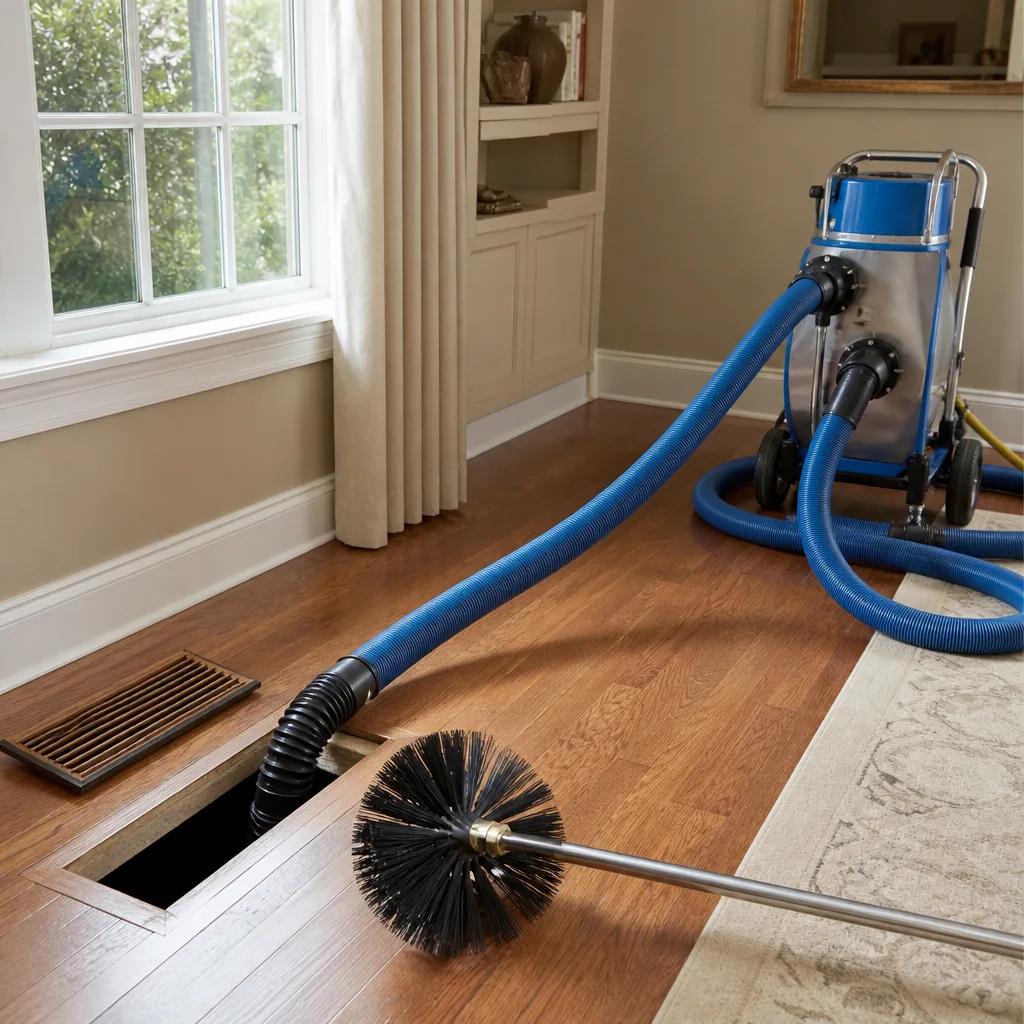 Whole-home duct cleaning
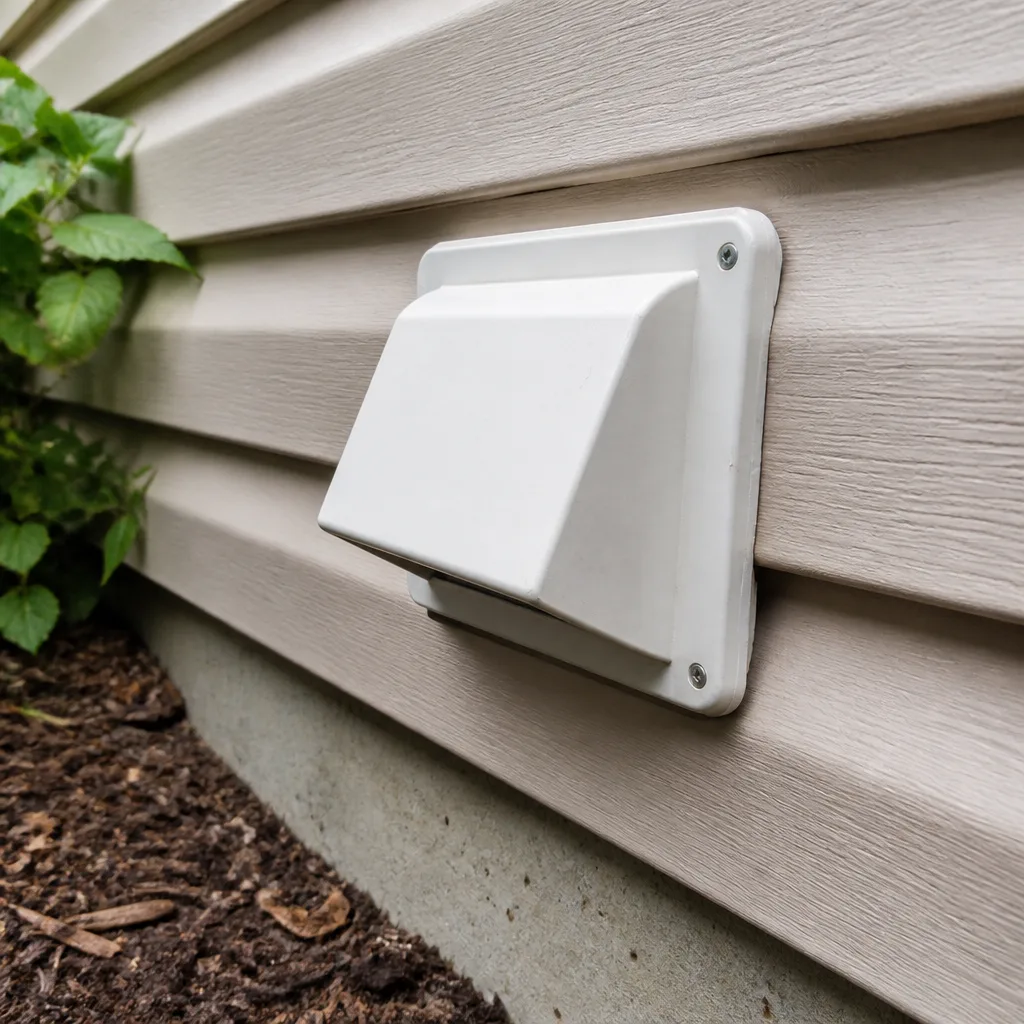 Dryer vent cleaning
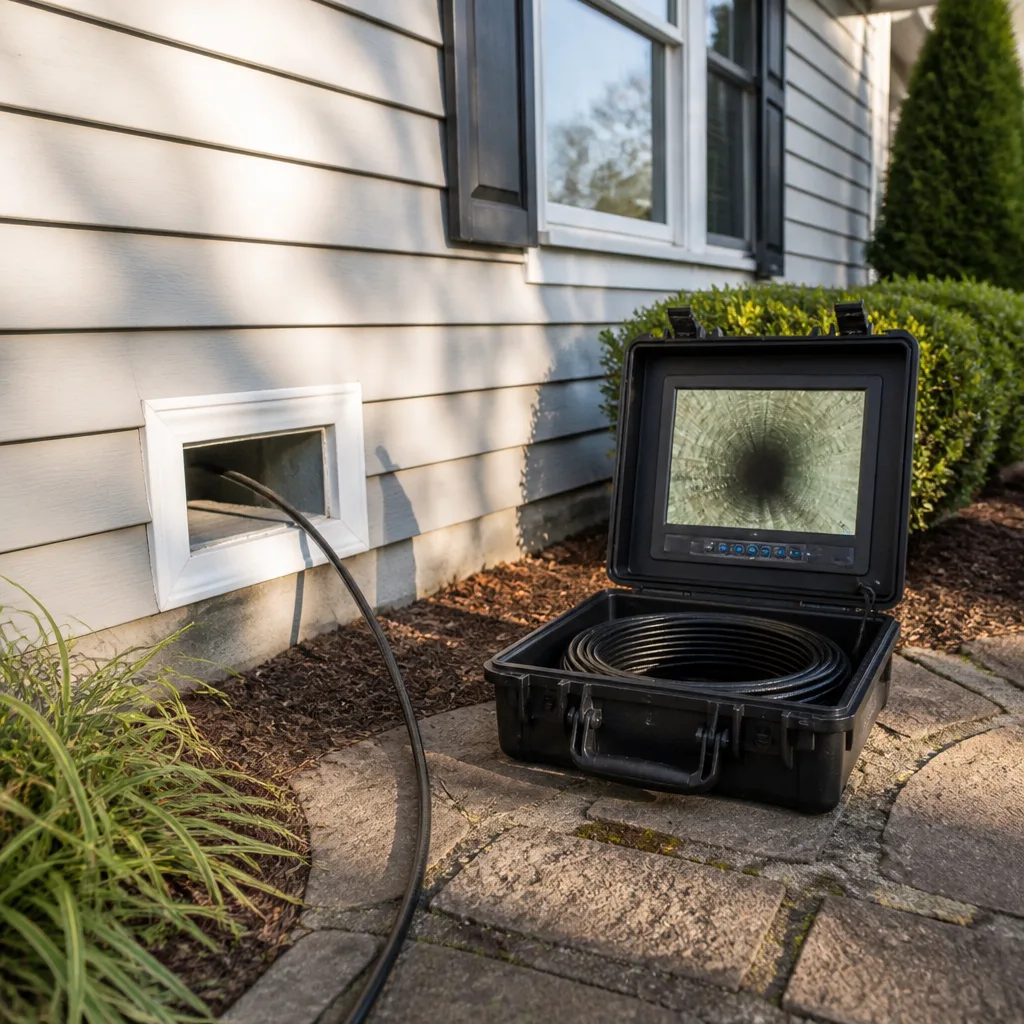 Camera inspection
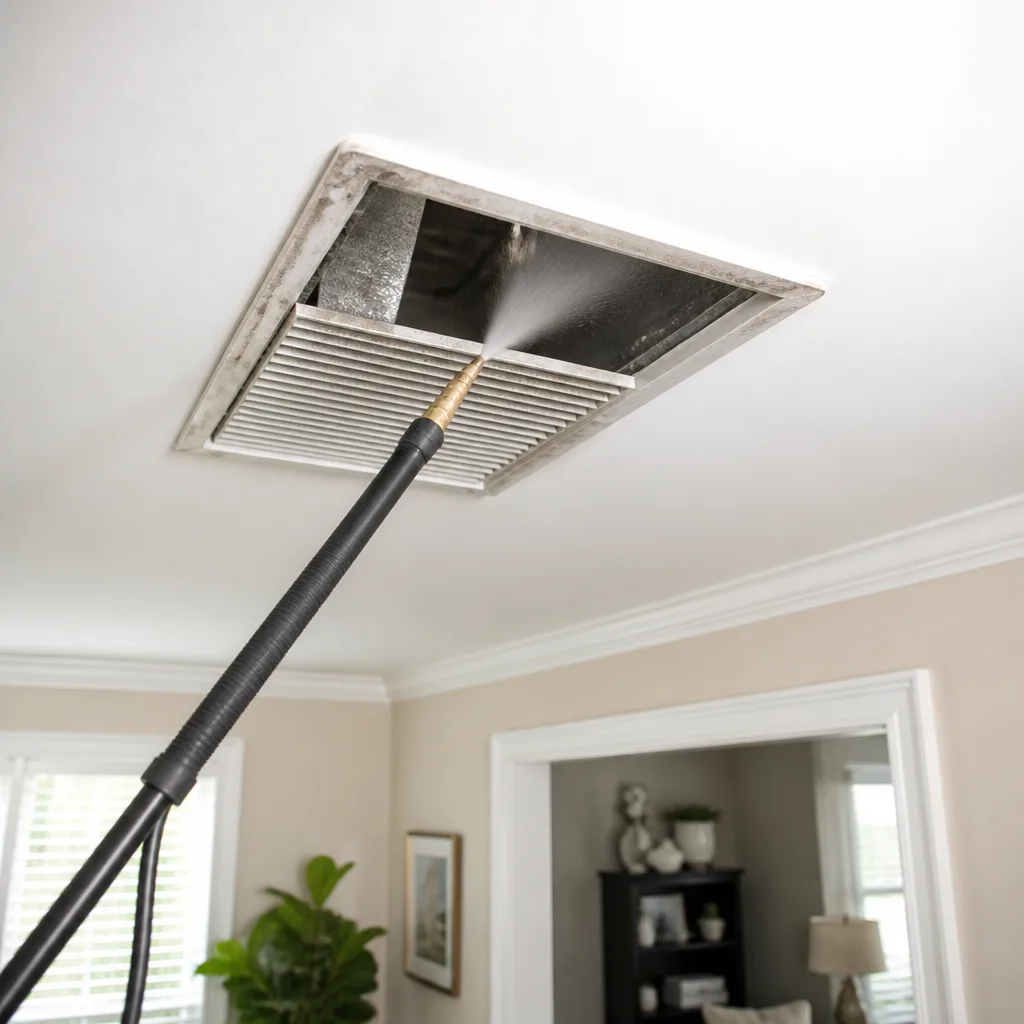 Sanitizing & deodorizing
Whole-system duct and dryer vent check with before-and-after photos - you see exactly what came out of your vents
That "$99 whole-house special" is a bait ad - the real number appears once they are in your hallway, or the "clean" is a shop-vac at the register. We photograph the inside of your ducts before and after instead.
Air Duct Cleaning Warning Signs: A Taylorsville Homeowner’s Reference Guide
Visible dust on supply registers is often blamed on dirty ducts. It can equally indicate a negative-pressure imbalance that’s pulling air from your attic or crawlspace, a problem cleaning alone will never fix. That’s the trap this guide exists to close. Most advice about ducts treats every symptom as “schedule a cleaning” – which is wrong about half the time. The signs worth acting on are the quiet ones: a faint smell when the heat first kicks on, one room that never quite reaches temperature, dust that reappears five days after you wiped it. Each of those points to a specific part of the system, and decoding them is what separates a real fix from a repeat bill. Here in Taylorsville, that decoding matters more than usual, because our seasonal airflow patterns change the way duct problems show up.
Quick Answer
The main air duct cleaning warning signs in Taylorsville are a musty or burning smell when the system starts up, dust reappearing within two weeks of cleaning, one room that never matches the rest of the house, allergy symptoms that show up at home but not elsewhere, and rising energy bills with no other explanation. The response to each sign is different – some call for cleaning, some for air duct cleaning, and some for duct repair and sealing instead. If two or more of these signs line up, it’s worth a professional inspection rather than another round of surface vacuuming.
Styles & brands we work with
- Whole-home duct cleaning
- Dryer vent cleaning
- Camera inspection
- Sanitizing & deodorizing
Table of Contents
- The Symptom-to-Cause Matrix: What Each Sign Really Means
- Odor Signals: What Each Smell Tells You and How Urgent It Is
- Airflow Asymmetry: The Register-by-Register Test
- Why Allergy Patterns Are More Reliable Than Visual Clues
- Post-Cleaning Warning Signs: What Shouldn’t Happen
- Taylorsville-Specific Triggers: Inversion Season and Filtration
- Negative Pressure: The Dust Problem Cleaning Can’t Solve
- How Urgent Is It? A Tiered Response Guide
The Symptom-to-Cause Matrix: What Each Sign Really Means
The mistake most homeowners make is treating every warning sign as a single problem. In practice, ducts fail in several distinct ways, and each failure produces its own set of symptoms. A symptom-to-cause matrix is the clearest way to explain it. In our experience, this matrix resolves the confusion faster than any other tool.
Read down the left column for what you’ve noticed. Read across for what it likely means and what the right response is.
- Faint musty smell when the system starts: moisture or microbial growth on duct interior surfaces. Response: inspection plus air quality and sanitizing.
- Dust reappearing on registers within days: either a recurring debris source upstream or a pressure imbalance pulling unfiltered air in. Response: inspection to identify which.
- One room consistently cooler or warmer: a blockage, disconnected run, or collapsed flex duct. Response: duct repair and sealing.
- Rising energy bills without other change: air loss through leaks or a restricted system. Response: sealing and filter check.
- Allergy symptoms only at home: airborne particulate load inside the duct system. Response: deep cleaning and air quality assessment.
- Visible dust on the register face itself: often negative pressure pulling particles in from attic or crawlspace. Response: pressure check before cleaning.
The point of the matrix is that three of those six symptoms don’t respond to cleaning alone. Running a vacuum through a system with a collapsed duct or a pressure imbalance clears dust for a week and then does nothing. Taylorsville homes with older flex-duct runs and attic-mounted air handlers are particularly prone to the airflow and pressure problems on the bottom half of that list.
Odor Signals: What Each Smell Tells You and How Urgent It Is
Odor is the most underrated warning sign in home comfort because it’s subtle. By the time a smell is obvious, the underlying condition has usually been developing for a while. What matters is which smell, because each one points in a different direction.
Musty or earthy
Musty or earthy smells usually indicate moisture and microbial growth on duct interior surfaces, insulation, or the coil area. In our experience, this is the most common odor complaint tied to duct condition. Urgency is moderate but should not be ignored: continued moisture can spread to insulation and framing. Response: inspection, plus air quality and sanitizing after the moisture source is traced.
Burning or hot plastic
A burning smell is the highest-urgency odor signal. It’s often related to the blower motor or a failing electrical component rather than the ducts themselves. If the smell is persistent or accompanies a strange noise, shut the system off and have it inspected before restarting it.
Chemical or solvent
Chemical smells can come from a recent cleaning product, a damaged component, or contaminant drawn into the return side. This is worth an inspection to rule out a source inside the system.
Sour, damp, or “old basement”
A sour or damp smell typically indicates standing moisture or condensation in the ducts or at the coil. Response: inspection for drainage issues and any duct runs passing through unconditioned space.
None of those smells should be treated as a reason to spray a deodorizer over the problem. The right sequence is always diagnose the source, then clean, then sanitize if needed.
Airflow Asymmetry: The Register-by-Register Test
Airflow problems reveal themselves faster than any visual inspection. You can run a register-by-register comparison in about fifteen minutes with nothing but your hand and a strip of tissue or a piece of paper.
- Turn the system to a steady run and let it settle for five minutes.
- Return to the first register near the air handler. Hold your hand 6 inches from the vent and note the airflow strength.
- Move through every register in the house. Compare strength, direction, and any difference in temperature between rooms.
- Hold a strip of tissue near each register. The tissue should bend steadily; a fluttering strip or a weak pull means restriction.
- Note any register that’s dramatically weaker than the rest, or that seems to pull air rather than push it.
Two register patterns are the ones that matter most. First, a handful of registers that are noticeably weak while the rest are strong. That usually means a blockage, an undersized run, or a collapsed flex duct somewhere between the trunk and the register. Second, weak supply registers across the whole house combined with a strong return. That points to an undersized return path or, more often, to leaks in the supply side that are bleeding pressure into unconditioned space.
In Taylorsville, this test matters most in upper-floor rooms and on runs that pass through attic space, since those are the runs most likely to have been pinched, kinked, or separated during a past remodel. The numbered test takes the guesswork out and gives an inspector a real starting point.
Why Allergy Patterns Are More Reliable Than Visual Clues
Visible dust is an unreliable indicator. Some homes have dirty ducts and clean registers; some have clean ducts and dusty registers (often from pressure issues, which we’ll get to). Allergy patterns are a better signal, because they respond to airborne load rather than surface dirt.
The rule of thumb we use: if symptoms track with location rather than season, the duct system is a likely contributor. A homeowner who feels fine at work, in the car, and outdoors but wakes up congested and gets worse through the afternoon at home is describing an indoor air source, not seasonal allergies. If the pattern gets measurably better on a multiday trip away from the house, that’s another line of evidence.
Timing matters too. Symptoms that spike in the first twenty minutes after the system starts a heating or cooling cycle are pointing at what’s being blown out of the registers on startup, which is often debris settled on the interior duct walls.
- Likely duct-related: symptoms consistent at home, better elsewhere, worse during system run cycles.
- Likely seasonal: symptoms track with outdoor pollen or inversion periods across the whole valley, not just one building.
- Likely filtration: symptoms better on days the filter was recently changed.
That said, “allergies are just allergies” is not a safe shortcut. If two or more patterns line up, a professional inspection is worthwhile before assuming anything else.
Post-Cleaning Warning Signs: What Shouldn’t Happen
A cleaning that worked should leave a measurable difference. A cleaning that didn’t will show it quickly, and these are the signals to watch.
Dust reappearing within two weeks
Dust on registers within two weeks of a professional cleaning usually means either a source upstream is still feeding the system, or the cleaning didn’t reach the full duct run. Neither is a reason to schedule another cleaning on the same day. It’s a reason to ask what was cleaned and what was inspected.
Odors returning within a month
If a musty smell comes back within a month, the moisture source was never addressed. Cleaning removes debris; it doesn’t fix a leaking coil pan or condensation inside a duct run.
Efficiency dropping after a cleaning
A drop in airflow or efficiency after a cleaning usually means something was bumped, disturbed, or not resealed correctly during the service. Ask for a follow-up inspection. It’s also a good reason to insist that any provider reseal and reconnect what they disconnect.
Visible debris from a register when the system starts
A puff of dust on startup after cleaning often means the supply-side surface was not fully cleaned, or a compromised section of duct was missed. Verify with before-and-after photos of the actual duct interior, not just the register faces.
These are exactly the reasons we pair deep cleaning with HVAC cleaning and duct repair when the inspection calls for it, rather than cleaning as a standalone service. Cleaning what’s accessible and leaving the root cause untouched is how those post-cleaning warning signs happen in the first place.
Taylorsville-Specific Triggers: Inversion Season and Filtration
Taylorsville sits in the Salt Lake Valley, and the winter inversion pattern here creates a specific set of duct-system stresses that don’t show up in every market. During an inversion, cold air trapped under a warmer layer holds fine particulate matter close to the ground, and the valley floor where Taylorsville sits is where that concentration is greatest. For a house, that means the filtration side of the duct system is working harder than its rated capacity, often for several weeks at a stretch.
The result is a set of warning signs that most homeowners dismiss:
- Filters that look loaded within two or three weeks during inversion months, even with a high-MERV filter.
- Registers that collect visible gray dust during inversion weeks and then stay cleaner once the pattern clears.
- A musty smell that appears specifically during cold weather, when windows are closed and the system runs more.
- Whole-house pressure shifts that get worse in winter because the house is sealed tighter against the cold.
The filtration side of the duct system here is under more load than in a milder climate, and when it’s overwhelmed, fine particles reach the duct interior rather than the filter. That’s a real cleaning trigger, distinct from seasonal dust. A high-MERV filter helps, but it also increases static pressure in the system, so the filter rating and the duct capacity need to match. We install and integrate Honeywell and Aprilaire filtration components for Taylorsville homes looking for a longer-term answer than constant filter swaps.
The other local pattern worth knowing: summer temperature swings in Taylorsville push heat pumps and air handlers through long cycles midday and short cycles overnight. That cycling can reveal duct leaks (which only show up under pressure) that stay invisible during the milder months. If you notice a pressure problem only in July, it’s still a duct problem.
Negative Pressure: The Dust Problem Cleaning Can’t Solve
Here’s the counterintuitive part. A house that pulls a small, steady amount of air inward from attic or crawlspace through gaps in the ducts and the building envelope will keep depositing dust on registers no matter how many cleanings get scheduled, because the system is effectively vacuuming the attic and dropping what it collects into your rooms. Cleaning the ducts doesn’t remove that pathway.
The signals of a pressure problem rather than a dirty-duct problem:
- Dust returns to registers within a week of cleaning, on every register, evenly.
- The house smells faintly like the attic or crawlspace just after the system starts.
- Doors are harder to open or close than they used to be, or a bathroom exhaust fan pulls a noticeable draft back through the house.
- Visible gap, sag, or detachment on flex duct runs where they cross unconditioned space.
The fix is duct repair and sealing: finding and closing the leaks and reconnecting any separated runs. That’s a different job from cleaning, and it’s the reason our scope runs from cleaning to sealing. A professional inspection tells you which of the two you actually need.
How Urgent Is It? A Tiered Response Guide
Not every warning sign means “call today.” A useful framework ranks the signs by urgency so you can prioritize what matters.
- Call now: persistent burning smell, visible smoke, or unusual noise with the system running. Shut the system down and call.
- Book within the week: musty smell that gets worse over several days, or a sudden airflow drop to a major area of the house.
- Book within the month: rising bills with no other change, allergen symptoms that follow you home, or a room that never reaches temperature.
- Monitor and inspect at next service: faint musty smell only in cold weather, dust on registers during inversion weeks.
The tiers exist because treating every symptom as urgent makes it hard to know which one matters. The burning smell and the faint winter mustiness are not the same kind of problem.
Common Mistakes to Avoid
- Assuming every physical symptom means “cleaning.” Airflow asymmetry and dust that returns within days are usually repair-and-sealing problems, not cleaning problems. Running a cleaning and expecting that to fix a pressure imbalance just spends money twice.
- Calling an immediate follow-up cleaning after a “cleaning” didn’t work. If a service missed the root cause, the answer is a proper inspection, not a repeat of the same service.
- Choosing a provider by price alone. Cheap quotes in this market typically stop at the accessible ducts and vacuum only the trunk line. Consumer-grade shop vacuums don’t move enough air to dislodge compacted debris from duct walls; professional-grade rotary equipment does.
- Ignoring the winter inversion pattern. Taylorsville homes need filter checks and pressure-aware duct maintenance timed to inversion months, not just the visual dust you can see during summer.
- Sealing the house without addressing the duct side. Adding weatherstripping and closed windows makes the house tighter and can make an existing pressure imbalance worse.
- Skipping the before-and-after photos. Any provider worth the visit will show interior duct photos; a provider that won’t is one you don’t need to work with again.
- Treating a musty smell with air freshener or a coil-only spray. Neither addresses the debris or the moisture source inside the duct system.
See the difference
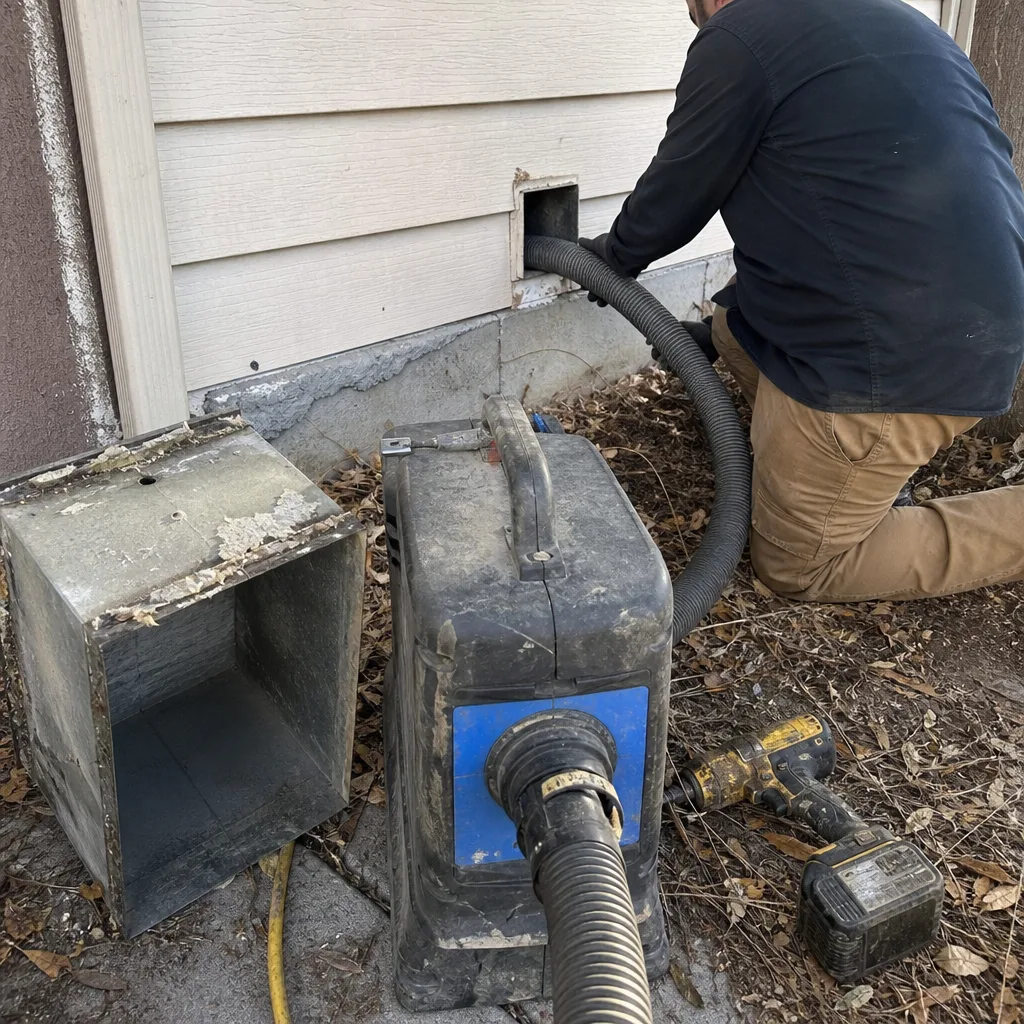 Before
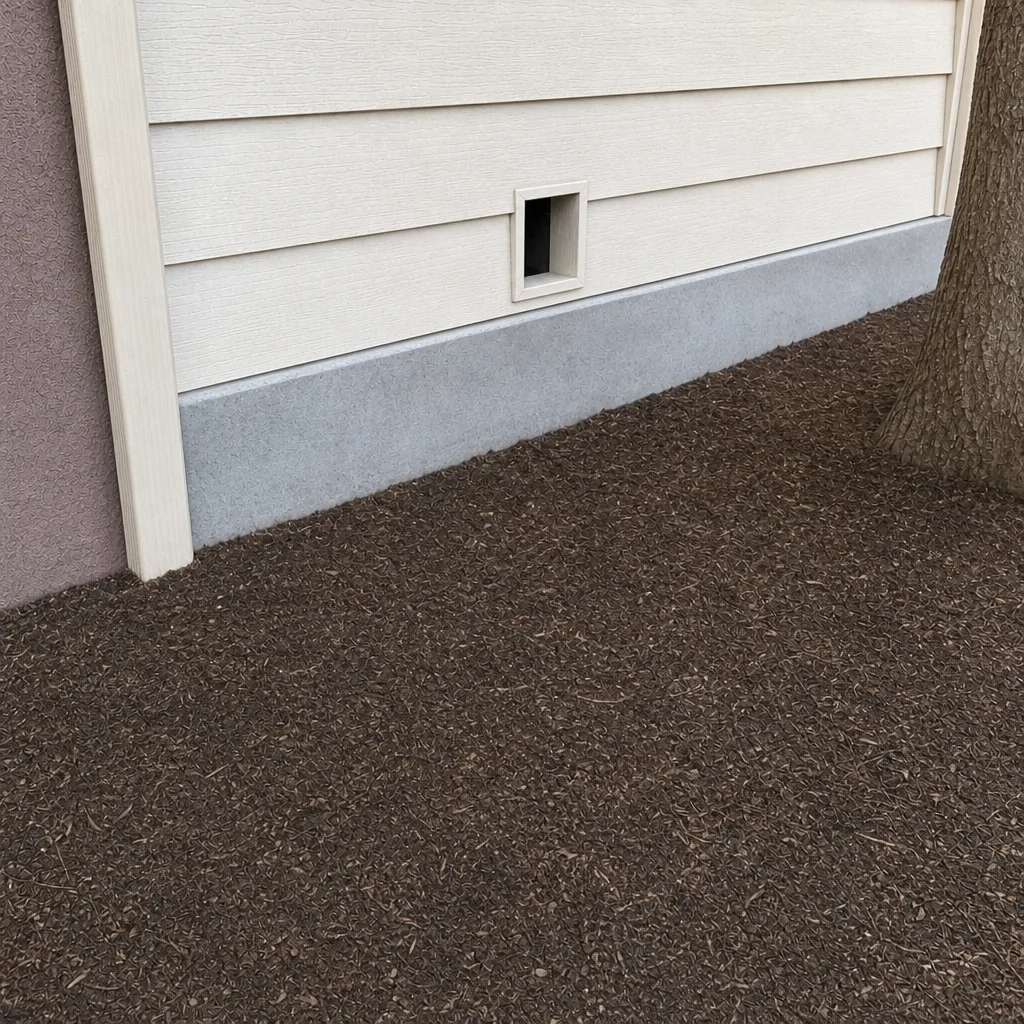 After
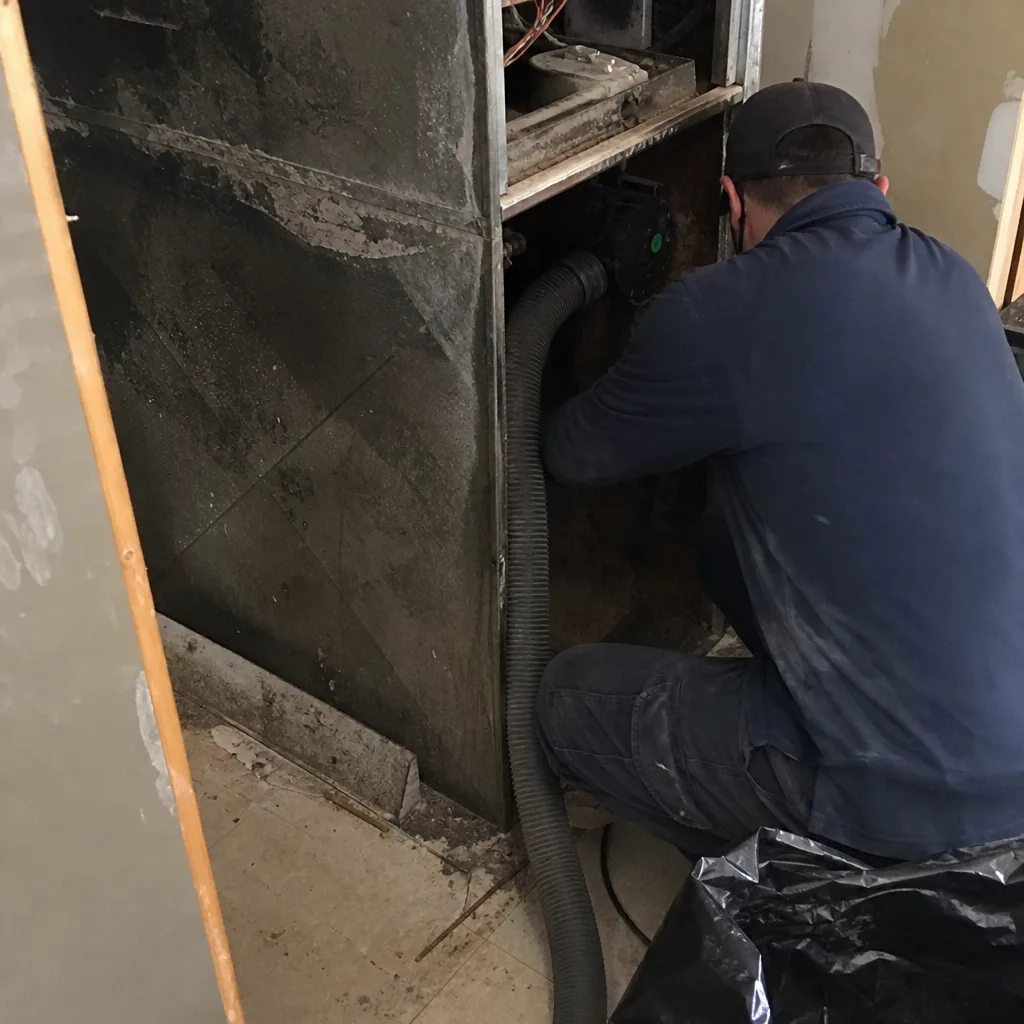 Before
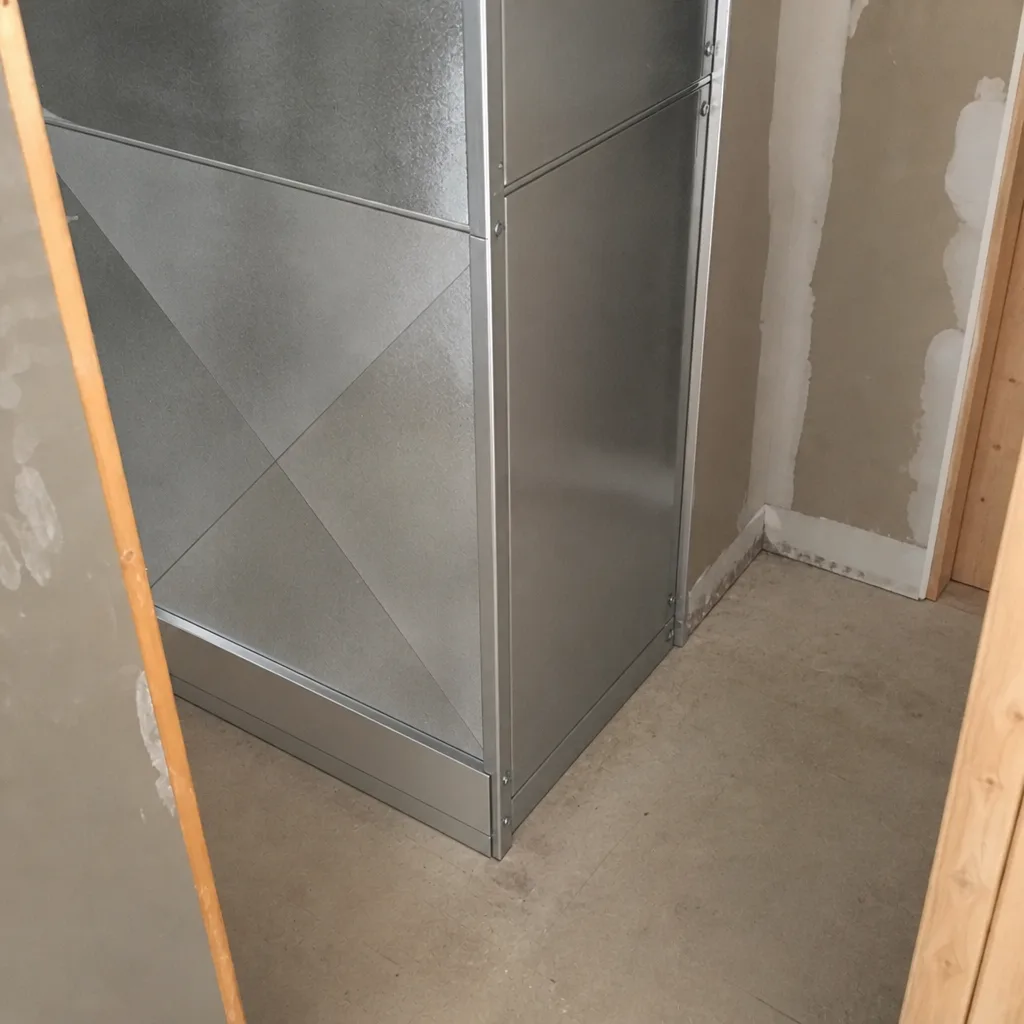 After
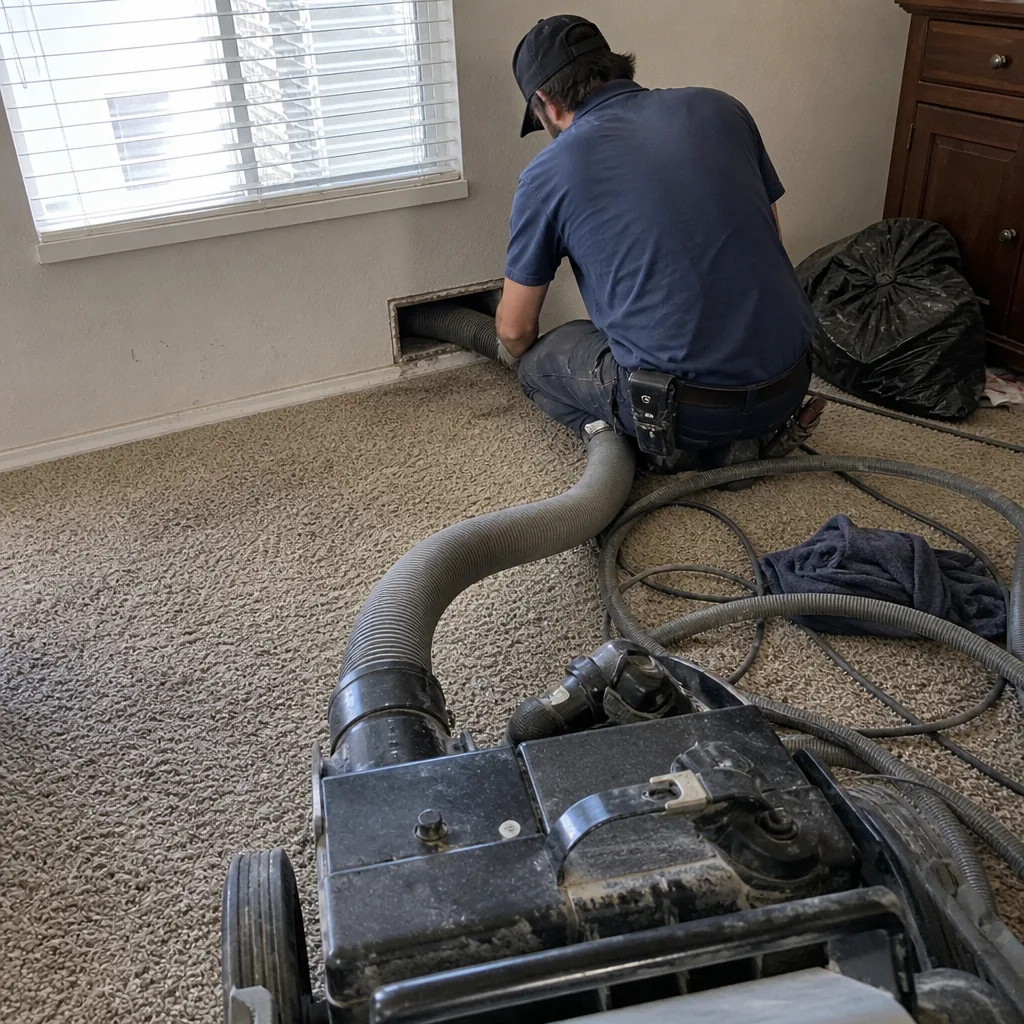 Before
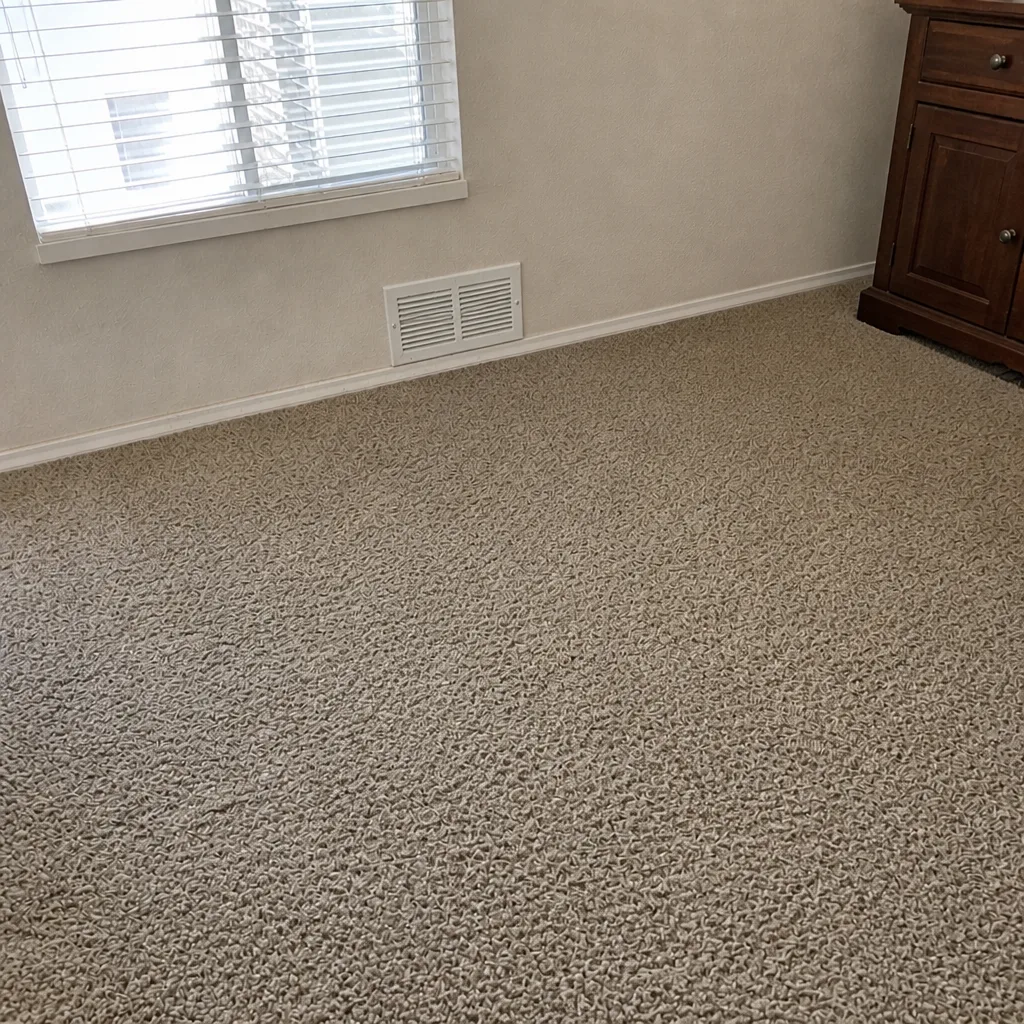 After
When to Call a Professional
Call a professional when two or more warning signs on this page line up, when a room’s airflow drops suddenly, when a musty or burning smell persists through a system cycle, or when dust keeps returning within two weeks of cleaning. Call sooner if a burning smell is involved. A professional inspection is the only way to tell a cleaning problem from a repair-and-sealing problem, and that distinction is what saves you from paying for the wrong service twice. Taylorsville Air Duct Cleaning Pros offers free estimates in Taylorsville – call (833) 468-5997. We answer 24/7. Fast dispatch, 7am-7pm, Sunday through Friday. Our technicians have up to 12 years of experience, and they use professional-grade equipment on every job: Rotobrush rotary-brush systems to break compacted debris loose from duct walls, Nikro HEPA-rated vacuums to capture fine particulates at the source, and Abatement Technologies air filtration to keep the working area clean while the job is in progress.
Frequently Asked Questions
The earliest signs are usually a faint musty smell when the system kicks on, dust reappearing on registers within a few days of wiping them, and a room that never quite matches the rest of the house. None of these are definitive on their own, but if two or three show up together, it’s worth a free inspection – call (833) 468-5997.
No. A musty smell usually means moisture and microbial growth somewhere in the system, which can be inside the ducts, at the coil, or in surrounding insulation. The fix is inspection first, then cleaning and sanitizing the affected surfaces.
Dust should not reappear on registers within two weeks of a proper cleaning. If it does, the likely causes are a source upstream that wasn’t reached, or a pressure imbalance pulling air in from attic or crawlspace. A follow-up inspection narrows which it is.
One consistently cold or warm room is almost always an airflow problem, not a cleaning problem. Common causes are a collapsed or disconnected flex duct, an undersized run, or a closed damper left half-shut. The register-by-register airflow test we describe above will give a professional a useful starting point.
Yes. Inversion periods concentrate fine particulate near the valley floor where Taylorsville sits, which drives filtration demand up and can overwhelm the filter side of the system. Check filters more often during inversion weeks, and have the pressure side of the system checked if dust is a recurring winter problem.
Ask for before-and-after photos of the duct interior along with the service summary. A provider using professional equipment can show evidence of what was removed. Our inspection process uses Rotobrush rotary-brush tools, Nikro HEPA vacuums, and Abatement Technologies air filtration, and the client gets a clear picture of what changed and why.
The Bottom Line
The most reliable warning signs in a Taylorsville home aren’t the obvious ones. A faint smell when the heat starts, one room that never settles at temperature, dust that comes back in five days, allergy symptoms that follow you home but not to work – each of those points at a specific part of the system, and the right response differs by sign. Cleaning fixes some. Repair and sealing fixes others. What matters is diagnosing which one you have before you spend money on a service that won’t address it. If you’re seeing two or more of the signs in this guide, book an inspection, ask for before-and-after photos, and expect a straight answer about what the system actually needs. That’s the difference between a real fix and another repeat bill.
Ready for a closer look at your system? Our team at Taylorsville Air Duct Cleaning Pros brings Rotobrush rotary-brush cleaning, Nikro HEPA-rated vacuum equipment, and Abatement Technologies filtration to every job, and we handle everything from dryer vent cleaning to duct repair and sealing under one roof. Call (833) 468-5997 for a free estimate. We answer 24/7. Fast dispatch, 7am-7pm, Sunday through Friday.
Written by the team at Taylorsville Air Duct Cleaning Pros.