
Last updated November 23, 2026
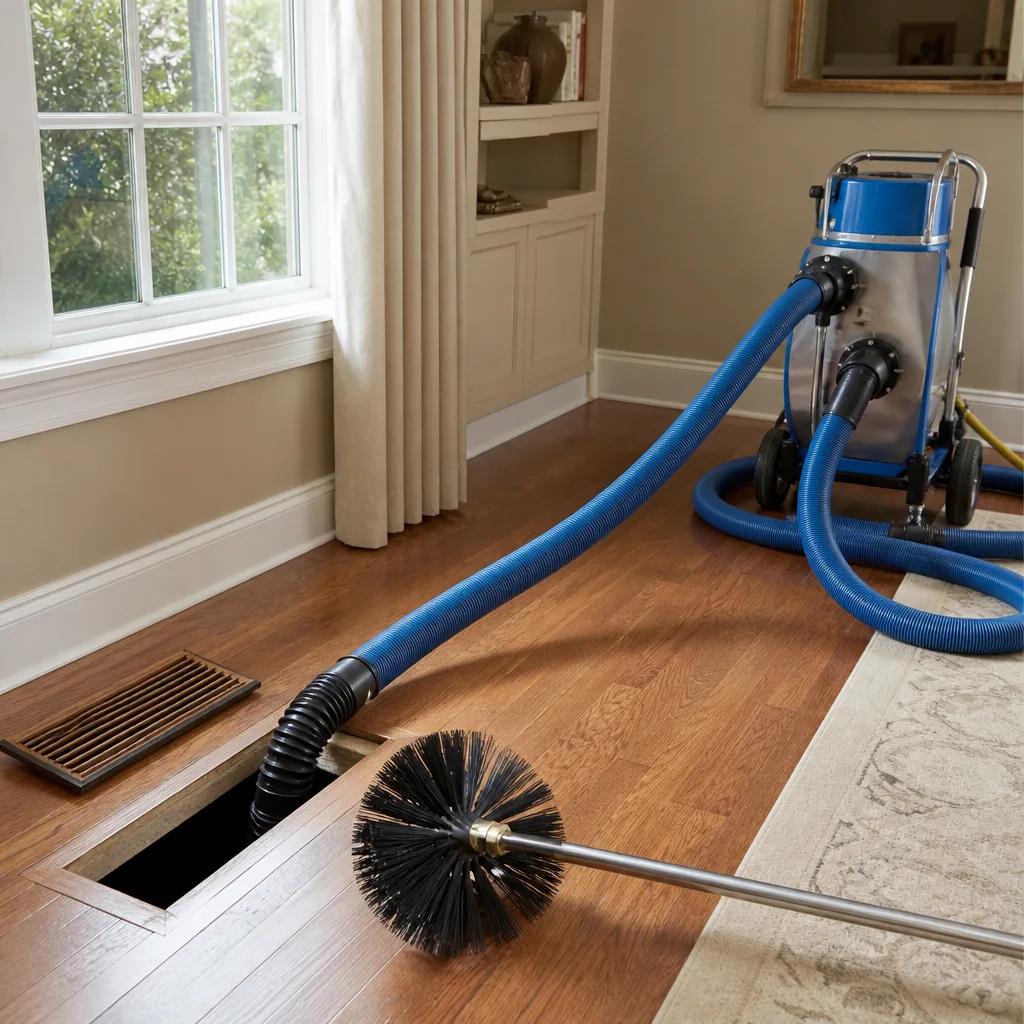 Whole-home duct cleaning
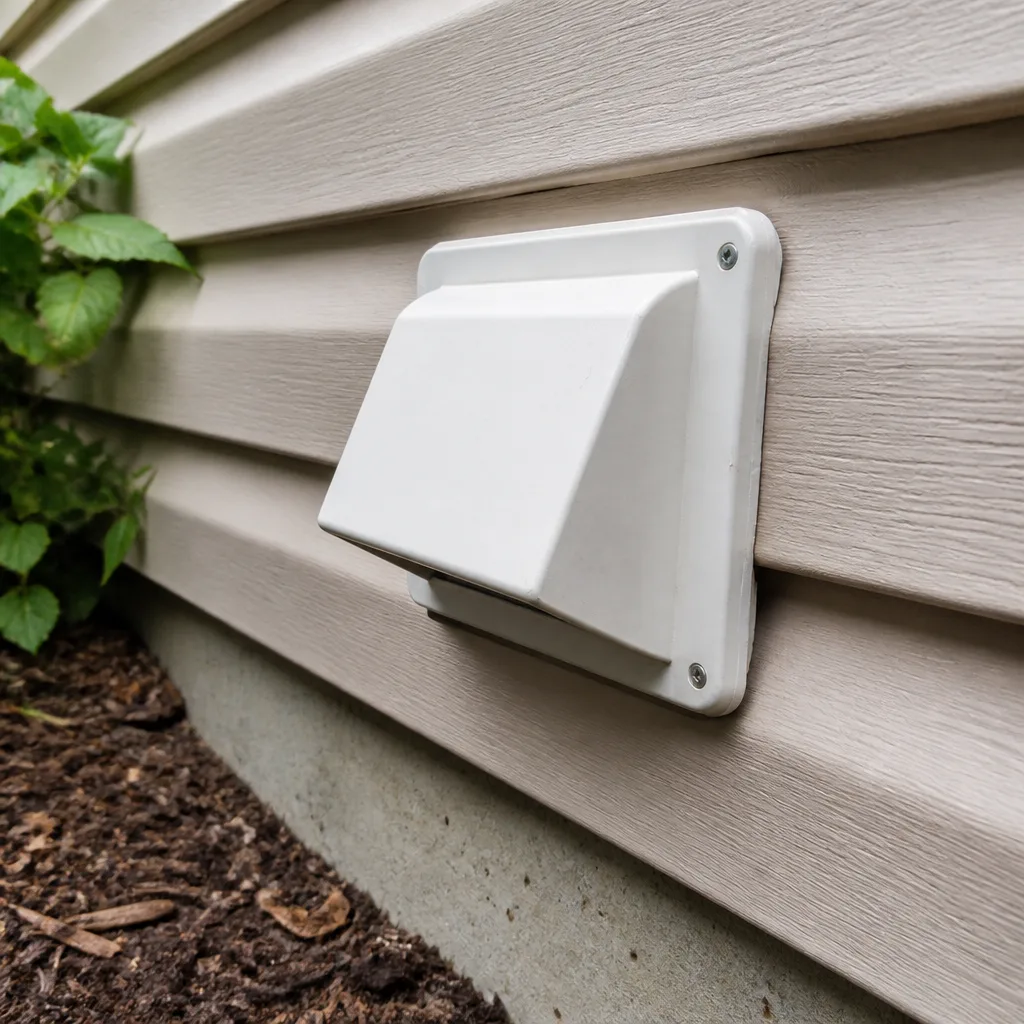 Dryer vent cleaning
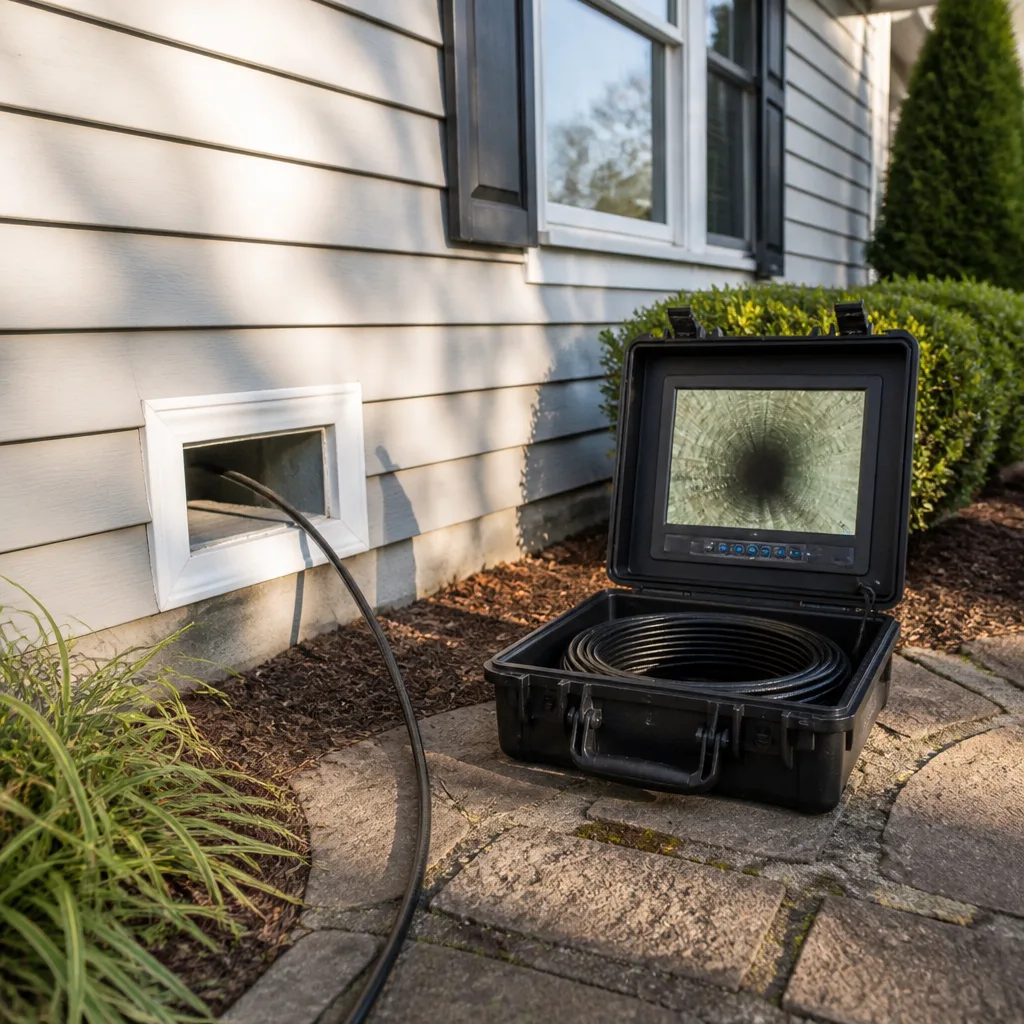 Camera inspection
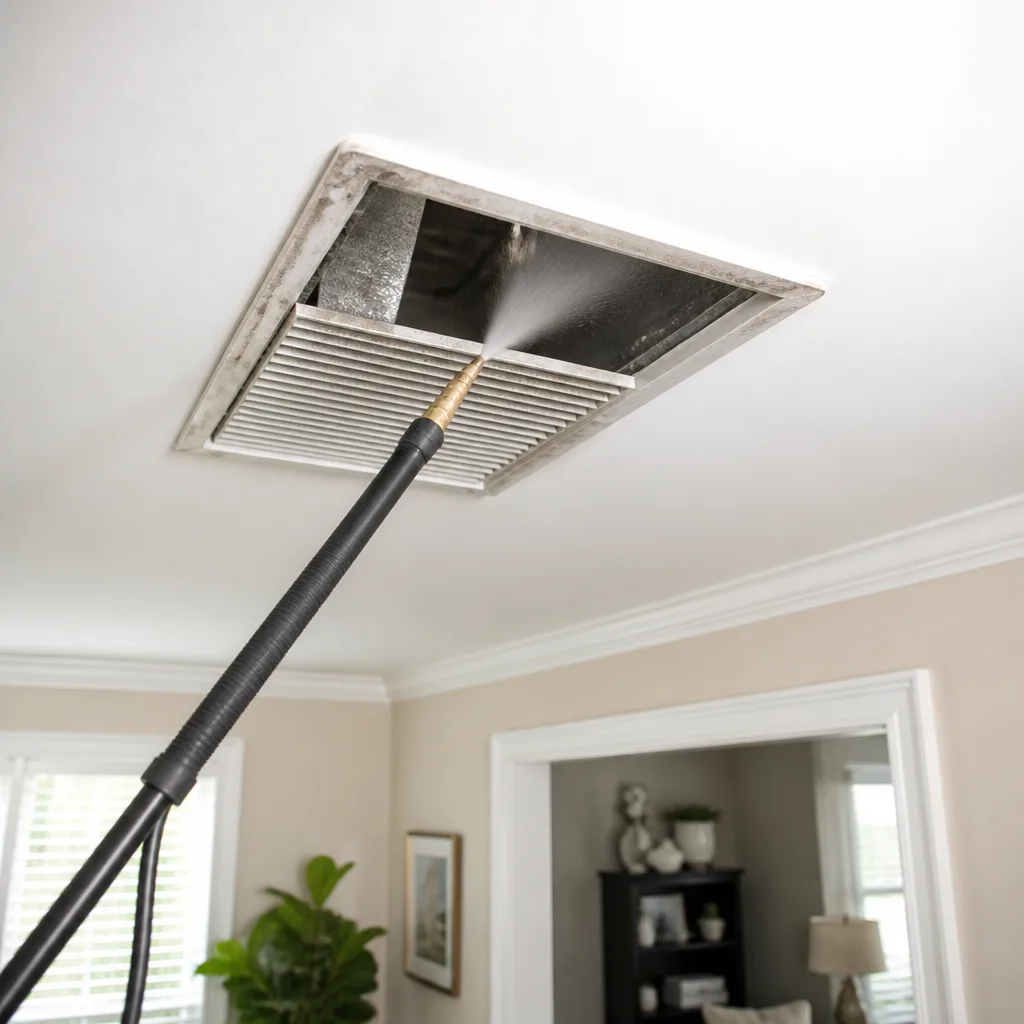 Sanitizing & deodorizing
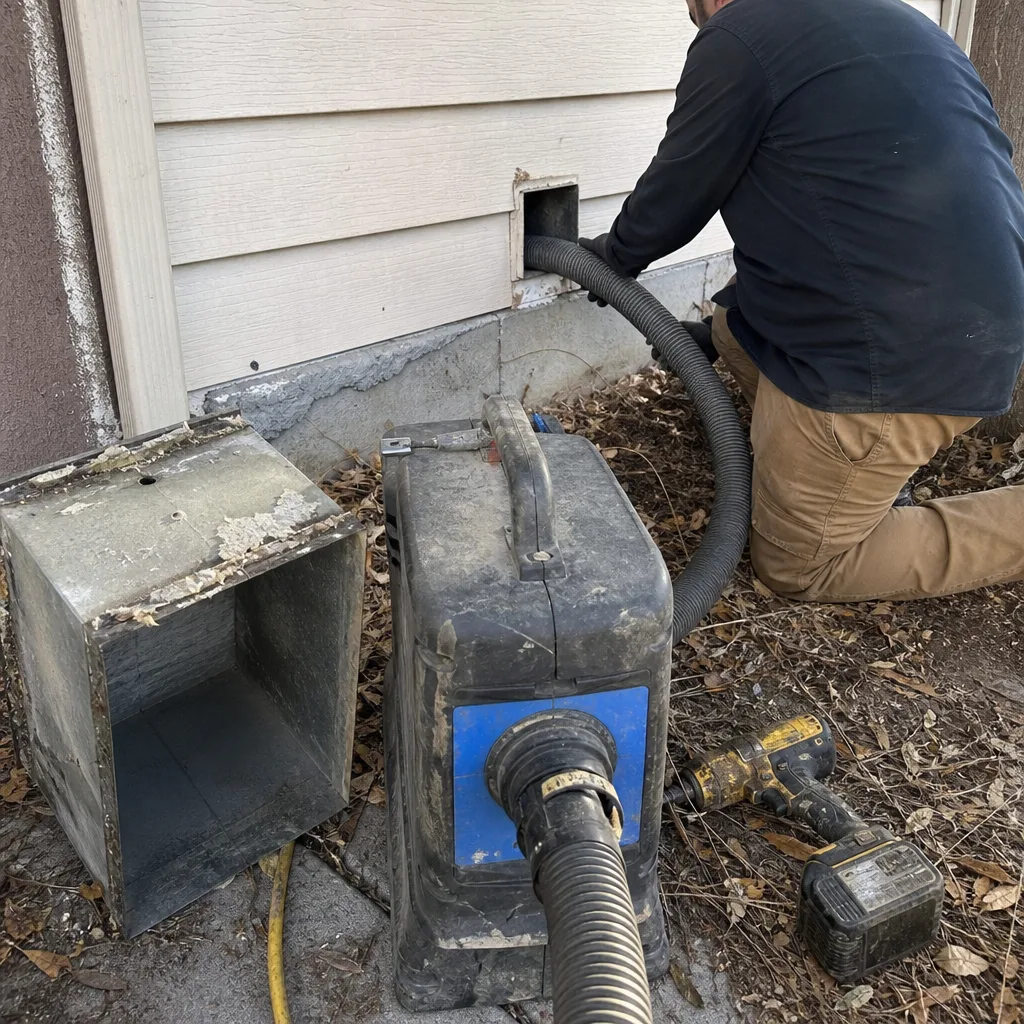
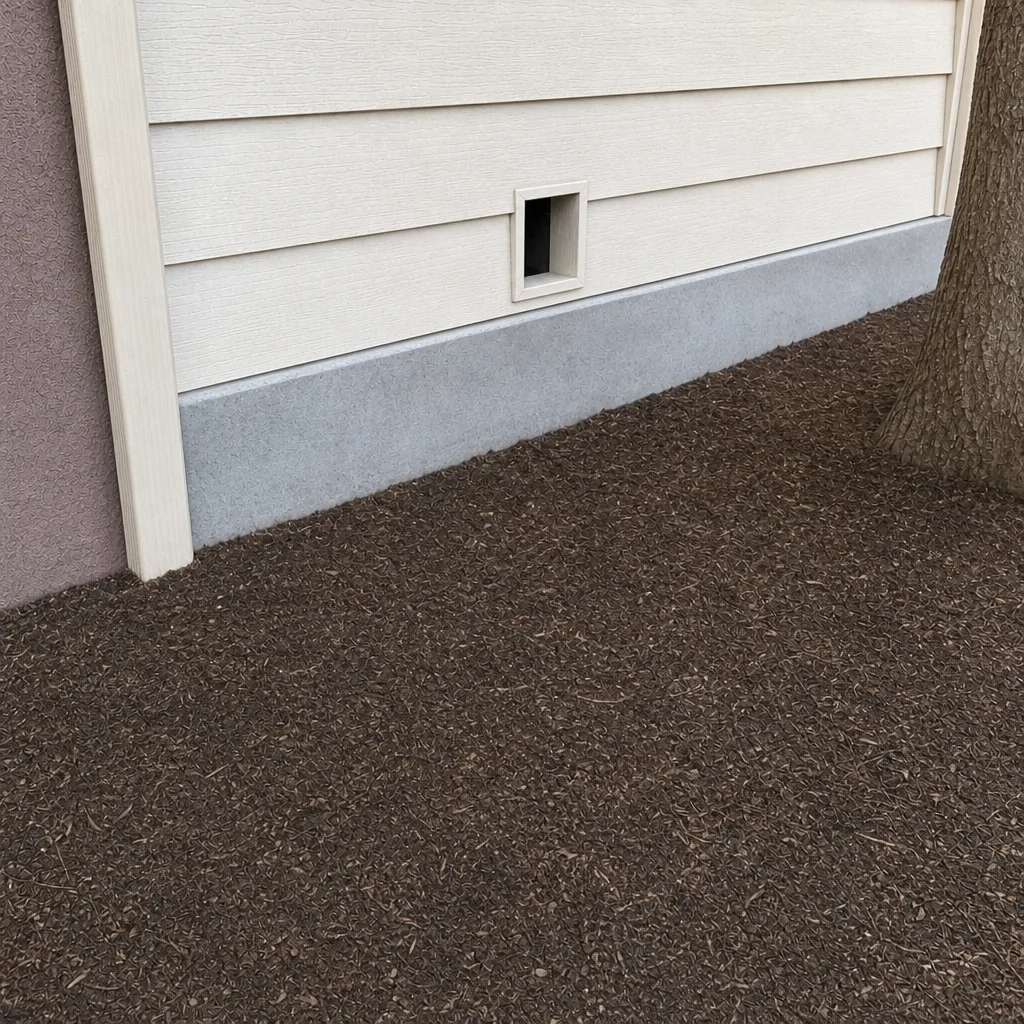
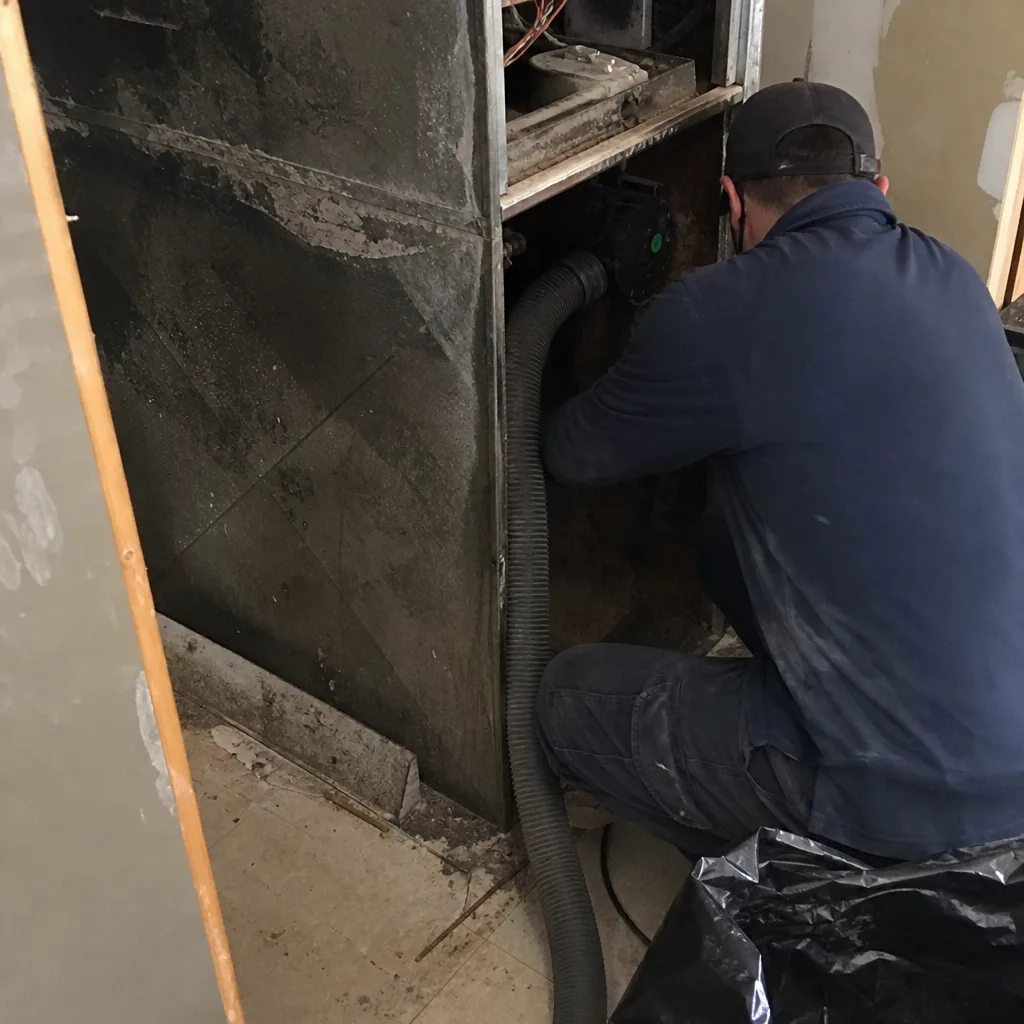
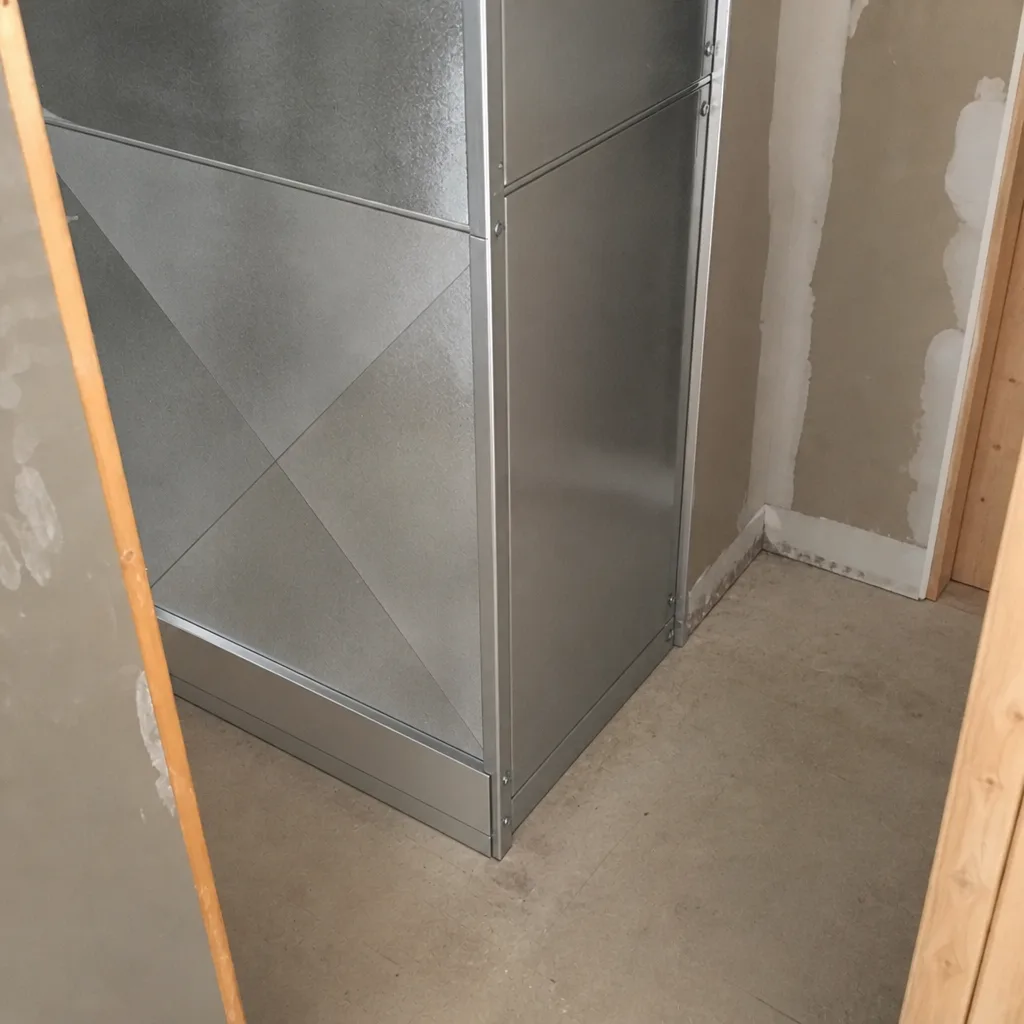
Whole-system duct and dryer vent check with before-and-after photos - you see exactly what came out of your vents
That "$99 whole-house special" is a bait ad - the real number appears once they are in your hallway, or the "clean" is a shop-vac at the register. We photograph the inside of your ducts before and after instead.
Air Duct Cleaning Cost Breakdown: The Taylorsville Homeowner’s Reference for 2026
Most homeowners assume the $89 duct cleaning coupon and the $650 full-system service are the same job offered at two different prices, and that the higher quote is simply a company padding its margin. That assumption is how people end up paying for a vacuum pass that never touches the compacted debris stuck to the inside of their duct walls. The two prices reflect entirely different scopes of work, different equipment, and different outcomes, and the only way to tell them apart before a technician is standing in your hallway is to understand what actually drives cost. This guide breaks down every variable that moves the number in Taylorsville in 2026, from square footage and register count to the difference between a legitimate add-on and an oversold one.
Quick Answer
Air duct cleaning in Taylorsville in 2026 typically runs $89 to $250 for a coupon-style or single-furnace surface pass, $350 to $650 for a true full-system clean of a standard single-family home, and $650 to $900 or more once duct repair, sealing, or sanitizing is added. The price you pay should be set per job from a written estimate after someone inspects your actual duct system, never quoted blind over the phone from square footage alone. A whole-system price with a defined scope beats a low teaser number every time.
Styles & brands we work with
- Whole-home duct cleaning
- Dryer vent cleaning
- Camera inspection
- Sanitizing & deodorizing
Table of Contents
- Why Do Duct Cleaning Prices Vary So Much in Taylorsville?
- What Legitimately Changes the Price of a Duct Cleaning?
- 2026 Taylorsville Market Rates by Service Tier
- Which Add-Ons Are Legitimate and Which Are Oversold?
- How Do You Compare Two Quotes for the Same House?
- What Does Waiting Cost You in Efficiency and Filters?
- What the Work Should Actually Involve, Step by Step
- Common Mistakes to Avoid
Why Do Duct Cleaning Prices Vary So Much in Taylorsville?
The gap between the cheapest quote and the most expensive one isn’t profit margin. It’s the difference between a loss-leader designed to generate upsells and a defined scope of work. A coupon price of $89 usually buys a quick surface pass with a consumer-grade vacuum and a hose run through the main trunk, often with a technician who then spends the appointment explaining why you need several add-ons. A $650 professional service buys rotary-brush agitation of the duct walls, HEPA-rated negative-pressure capture, and a documented before-and-after record of what came out.
In our experience across Taylorsville homes, the second number is the one that actually changes what’s in the air. The first number mostly changes what’s on the invoice.
Cost is a function of four things: how much duct volume exists, what material the ducts are made of, how accessible the system is, and what equipment the provider brings. A finished basement with three extra supply registers means more duct to clean. A system with rigid sheet metal cleans differently than one with flex runs sagging through an attic. And a provider using a shop vac and a brush on a pole isn’t doing the same job as one running a Rotobrush rotary-brush system under continuous negative pressure.
Taylorsville’s housing stock matters here. Much of the city was built out in the 1980s and 1990s, which means a large share of homes have original flex duct in the attic, some of it now sagging, kinked, or disconnected at the boot. That’s a repair question, not just a cleaning question, and it’s why a quote that never includes an inspection is a quote you can’t trust.
What Legitimately Changes the Price of a Duct Cleaning?
Four variables legitimately move the price, and a provider who explains all four is usually the one worth hiring. A provider who quotes one flat number without asking any of these questions is guessing, or worse, quoting low to get in the door.
Home square footage and system size
Square footage matters, but only indirectly. What actually drives cost is the length and volume of the duct system, which correlates with square footage but isn’t identical to it. A 2,000-square-foot ranch with a single central air handler is a very different job from a 2,000-square-foot two-story with two systems.
Number of supply and return registers
Every register is a point the technician has to reach, seal, and clean from. A home with 12 supplies and 2 returns takes longer than one with 8 and 1, and the price should reflect that. This is why per-register pricing exists in the industry at all, and why whole-system pricing is the fairer model: you’re buying a clean system, not a count of vents.
Duct material type
- Sheet metal: the most durable and the most cleanable. Rotary brushes work well here.
- Flex duct: common in Taylorsville attics. It cleans well when intact, but needs gentle agitation and careful handling to avoid tearing the inner liner.
- Duct board: the most fragile. Aggressive brushing can damage the interior surface, so the technique and equipment matter more here than anywhere else.
System age and condition
Older systems accumulate more debris and more often have disconnected joints, crushed sections, or failed seals. Cleaning without addressing those problems just re-contaminates the system within months, which is why duct repair and sealing belongs in the same visit, not sold separately later.
Accessibility
Attic access in a low-pitch roof, a crawlspace with limited clearance, or a mechanical closet packed tight all add labor time. Anyone who has worked an August afternoon in a Taylorsville attic understands why access is a real cost line, not an excuse.
2026 Taylorsville Market Rates by Service Tier
Taylorsville pricing in 2026 clusters into four tiers. These are typical, estimated ranges for the local market, and the written estimate after inspection sets the final price. Treat them as a sense-check, not a quote.
| Service tier | Typical estimated range | What it includes |
|---|---|---|
| Inspection only | $0 to $150 | Camera inspection of trunk and branch runs, condition report. Often free when bundled with cleaning. |
| Cleaning only (single system, standard home) | $350 to $650 | Rotary-brush agitation, HEPA vacuum capture, register and boot cleaning, before-and-after documentation. |
| Full-system cleaning (larger or multi-system home) | $550 to $900 | As above, across two systems or an extended duct layout, plus furnace and air handler cabinet cleaning. |
| Cleaning plus repair, sealing, or sanitizing | $650 to $1,200+ | All of the above plus sealing disconnected joints, repairing crushed flex runs, and antimicrobial treatment where warranted. |
A few things worth noting about these numbers. The $89 to $250 range you’ll see in coupon mailers exists, and it’s real, but it covers a surface-level pass that most homes with 20+ years of accumulated debris need far more than. And on the high end, a $900+ number should always come with a scope that explains exactly what’s being repaired and why. If a quote hits four figures and nobody has been in the attic, ask questions before you sign.
For a closer look at what our air duct cleaning service includes at each tier, the scope is laid out service by service rather than as a single flat number.
Which Add-Ons Are Legitimate and Which Are Oversold?
Add-ons are where a fair price and a padded one part ways. Some are genuinely necessary work. Others are sold because they’re easy to sell, not because your home needs them.
Legitimate add-ons
- Coil cleaning. The evaporator coil sits wet for months at a time and collects a biological film that no amount of duct cleaning touches. Cleaning it restores airflow and efficiency. This is real work with a real effect.
- Dryer vent cleaning. A separate system from your HVAC ducts, and a genuine fire risk when lint packs the run. Legitimate, often overdue, and worth bundling with a dryer vent cleaning visit.
- Duct repair and sealing. Not an upsell. If the inspection finds disconnected joints or crushed flex, sealing them is the difference between a clean system and a re-contaminated one.
Context-dependent add-ons
- UV light installation. Useful in specific situations, such as a chronically damp coil or a system with recurring microbial growth. Not something every home needs, and shouldn’t be presented as standard.
- Antimicrobial fogging. Warranted when there’s an actual odor or microbial buildup confirmed on inspection. Frequently sold as a default, which is where it crosses into oversell.
Our position is simple: we repair what we find, and we don’t sell what we didn’t find. If the inspection doesn’t turn up a reason for a treatment, you won’t hear us pitch one.
How Do You Compare Two Quotes for the Same House?
The right comparison is cubic footage of duct system cleaned plus the equipment used, not total price alone. Two quotes for the same house are only comparable if they describe the same scope, and most don’t.
- Ask for the scope in writing. Which runs are included? Trunk only, or every branch and boot? Is the furnace cabinet included? If the scope isn’t written down, it isn’t a quote, it’s an estimate of a feeling.
- Ask what equipment goes in the duct. Rotary-brush agitation under continuous negative pressure is the professional standard. A shop vac and a hose is not, and it won’t dislodge compacted debris from the walls.
- Ask whether an inspection happens first. A quote given without someone looking at your system is guessing. A proper provider inspects, then quotes.
- Ask what happens with the dust during the job. Negative-pressure capture and in-room filtration keep the particulate in the machine, not in your living room. Ask whether they use air filtration equipment on site.
- Ask for before-and-after photos. Not marketing photos of someone else’s ducts. Photos of your ducts, before and after, so you can see that the work was actually done.
- Ask whether repair is included or separate. A low quote that excludes obvious repair work isn’t cheaper, it’s incomplete.
A quote that answers all six is comparable. A quote that answers none is a number, and numbers without scope are how the bait-and-switch model survives.
What Does Waiting Cost You in Efficiency and Filters?
Sticker shock is real, and it’s worth putting the number in context. Duct cleaning isn’t a luxury line item sitting next to a subscription service. It’s maintenance on the system that moves every cubic foot of air you breathe indoors, and deferring it has a running cost.
The clearest one is filter replacement frequency. When ducts are loaded with debris, that debris migrates to the filter, and a filter loading faster than its rating suggests means you’re replacing it more often than you should. Over a year, that’s real money spent on filters that are doing the work the ducts should be doing.
The second cost is airflow. A restricted return or a crushed flex run forces the blower to work harder for less delivered air, which shows up as rooms that never quite get comfortable, longer run times, and higher bills for the same comfort. Nobody notices a gradual decline, which is exactly why it goes unaddressed for a decade.
The third is contamination of the coil. Debris that reaches the evaporator coil sticks to the wet surface and forms a film that no filter catches. Cleaning a coil is a separate service with a separate cost, and it’s the most common downstream consequence of a duct system that went too long between cleans.
For homes that pair cleaning with an actual air-quality plan, integrating Honeywell or Aprilaire filtration and humidity components with an HVAC cleaning visit addresses the source and the ongoing management in one scope, rather than treating the symptoms twice.
What the Work Should Actually Involve, Step by Step
Knowing the process is the single best defense against paying a fair price for an unfair job. Here’s what a professional-grade clean looks like.
- Inspection and assessment. A camera goes into the trunk and branch runs. The technician maps the system, identifies disconnected joints, crushed flex, and contamination levels, and takes photos before anything is touched.
- Protecting the home. Registers are removed and covered. Abatement Technologies air-filtration equipment runs in the work area to capture displaced particulate in real time, so the dust goes into the machine and not into your hallway.
- Establishing negative pressure. A Nikro HEPA-rated vacuum is connected to the system to put the entire duct run under negative pressure before any agitation begins. This is the step that separates a professional clean from a surface pass.
- Rotary-brush agitation. A Rotobrush rotary-brush system works the duct walls, dislodging compacted debris that a vacuum alone can’t move. Brush type is matched to duct material so flex and duct board aren’t damaged.
- Register, boot, and furnace cabinet cleaning. The point where ducts meet the room is where most visible dust accumulates. Boots and the air handler cabinet are cleaned as part of the system, not as an extra.
- Repair and sealing. Disconnected or crushed runs identified in the inspection are sealed or repaired before the system is closed up. This is where the real benefit holds.
- Sanitizing where warranted. Antimicrobial treatment is applied when the inspection confirms a reason for it, not as a default line item. Guardsman-line protective treatments are available as part of that step.
- Final documentation. Before-and-after photos of your ducts, so you can see the result rather than take someone’s word for it.
If a quote doesn’t include steps 2 and 3, the price is low for a reason. That’s the whole story of duct cleaning pricing in one sentence.
Common Mistakes to Avoid
- Booking the coupon price before reading the fine print. An $89 offer almost always includes a limited scope and a technician whose compensation depends on add-ons. Read what the coupon actually covers before you schedule.
- Accepting a phone quote without an inspection. In a city with as much older flex duct as Taylorsville, no one can quote your system without seeing it. A firm number given over the phone is a number designed to get someone in the door.
- Comparing total price instead of scope. The cheaper quote often cleans less of the system with lesser equipment. Compare what’s included line by line, and ask what equipment goes into the duct.
- Skipping the before-and-after photos. If a provider won’t document your own ducts, you have no way to know the work was done. Ask upfront; a professional expects the question.
- Cleaning without repairing. In a Taylorsville home with a disconnected run in the attic, cleaning just re-contaminates the system. If the inspection finds damage, fix it in the same visit.
- Treating dryer vent cleaning as optional. It’s a separate system from your HVAC ducts, and lint buildup in the run is a genuine fire concern. It’s not an upsell, even when a low quote leaves it out.
- Ignoring the coil. Duct cleaning alone doesn’t address a fouled evaporator coil. Ask whether the coil was inspected, and add cleaning if it needs it.
See the difference
 Before
 After
 Before
 After
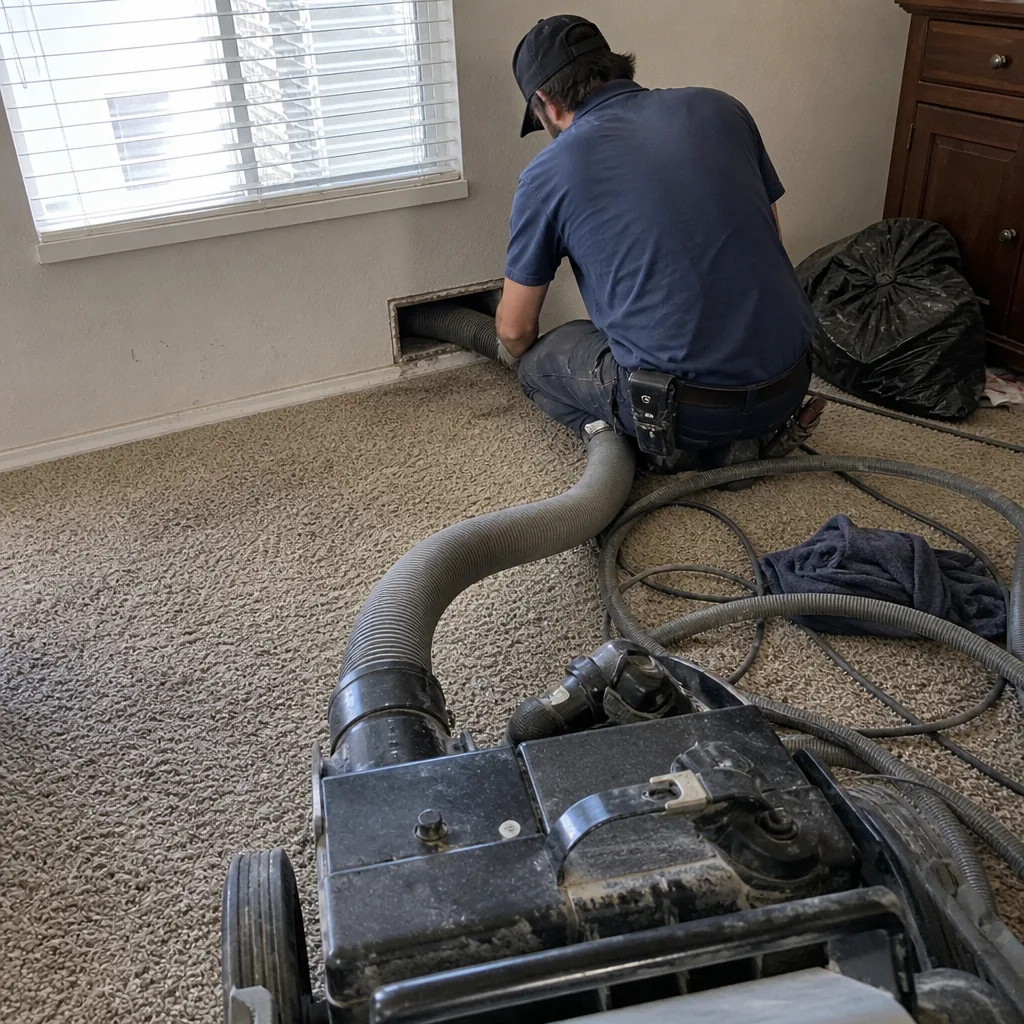 Before
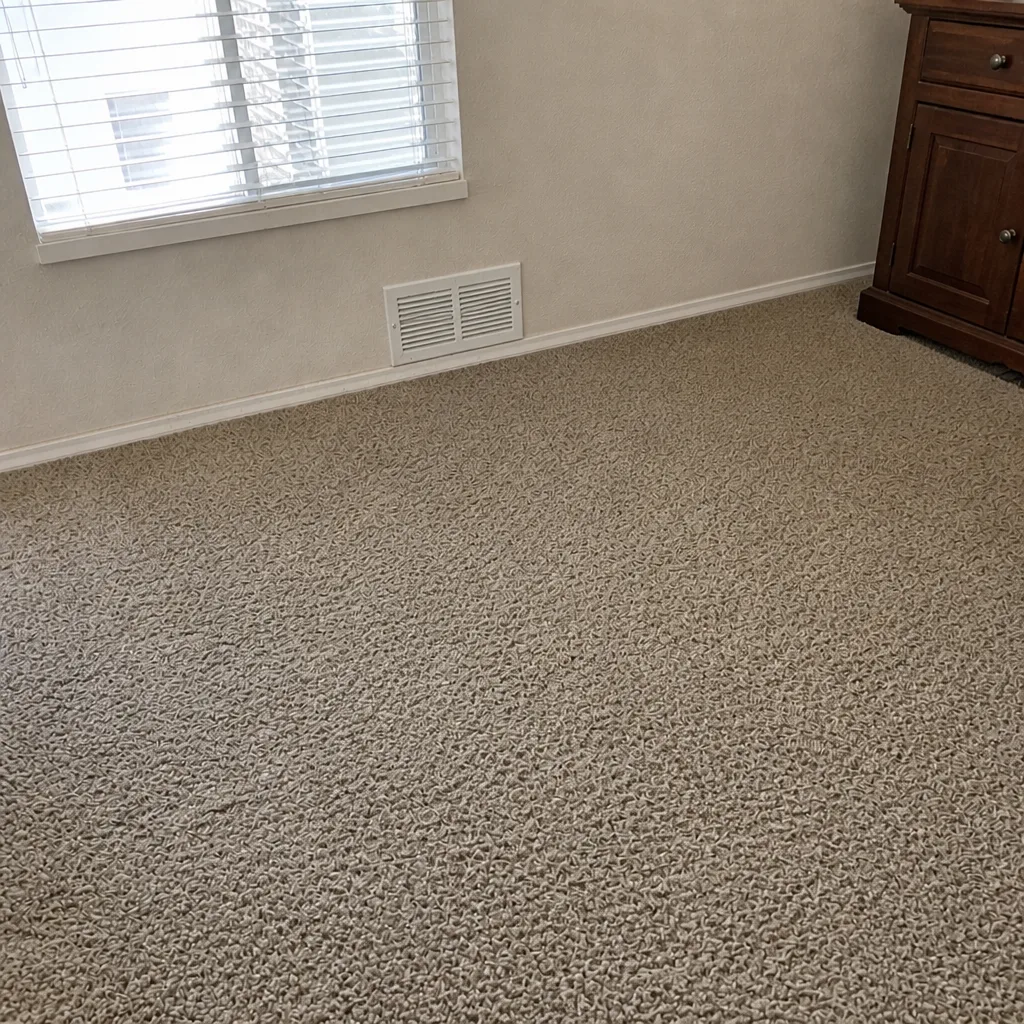 After
When to Call a Professional
Some conditions point to a genuine problem rather than routine maintenance. Call a professional if you’re noticing musty or stale odors coming from the supply registers, visible dust settling on surfaces days after you clean, or allergy symptoms that flare indoors and ease when you leave. Uneven airflow, rooms that stay cold in winter or warm in summer no matter what you do with the thermostat, and a filter that clogs well before its rated interval all point to a system worth inspecting. Visible debris at the registers, or a dryer that takes longer than it used to, are also worth a look before they become a repair. Taylorsville Air Duct Cleaning Pros offers free estimates in Taylorsville – call (833) 468-5997. We answer 24/7, and fast dispatch runs from 7am to 7pm, Sunday through Friday. A written estimate sets the final price before any work begins.
Frequently Asked Questions
Most Taylorsville homeowners pay somewhere between $350 and $650 for a full-system cleaning of a standard single-family home in 2026, with larger or multi-system homes running higher and cleaning-plus-repair work reaching $650 to $1,200 or more. The final number depends on duct volume, material, and whether repair is needed, which is why it should come from a written estimate after inspection. Call (833) 468-5997 for an exact quote – estimates are free.
Because they usually describe a different job. A very low quote typically covers a surface pass with consumer-grade equipment, often as a door-opener for add-on sales, rather than rotary-brush agitation under HEPA negative pressure. The gap reflects scope and equipment, not a discount on the same work. Call (833) 468-5997 and we’ll walk you through what a comparable scope actually includes.
Ask for before-and-after photos of your own ducts, taken during the job, along with a written scope that says which runs were cleaned. Negative-pressure capture and in-room filtration also mean you’ll see less dust settling afterward, which is one of the practical signs the dirt left the system instead of the attic. Call (833) 468-5997 to book a visit with documentation included.
For most Taylorsville homes, every three to five years is reasonable, though homes with pets, recent renovation, or a system running continuously in the dry summer dust may need it sooner. A camera inspection tells you more than a calendar does. Call (833) 468-5997 for an inspection and a written estimate.
It’s worth it whenever the inspection actually finds a problem, and in Taylorsville’s older flex-duct attics, disconnected or crushed runs are common. Sealing a leak stops air loss and re-contamination, which means the clean actually holds. We repair what we find, and we don’t recommend it when the inspection doesn’t call for it. Call (833) 468-5997 to schedule an inspection.
It can, when the system is restricted by debris or leaking at disconnected joints, because the blower stops working harder than it needs to. The effect varies by home and by what’s actually wrong, so treat any promised percentage with skepticism. What’s certain is that a sealed, clean system delivers the airflow it was designed for. Call (833) 468-5997 for an honest assessment of your system.
Yes. Taylorsville Air Duct Cleaning Pros offers free estimates in Taylorsville, and ours come from an actual inspection with a written scope rather than a phone guess. Call (833) 468-5997. We answer 24/7, with fast dispatch from 7am to 7pm, Sunday through Friday. Our technicians have up to 12 years of experience, and the local pro we connect you with is licensed and insured as the state requires.
The Bottom Line
The gap between $89 and $900 in Taylorsville duct cleaning isn’t profit margin, it’s scope. A coupon price buys a surface pass; a fair full-system price buys rotary-brush agitation under HEPA negative pressure, an inspection that finds real problems, repair where it’s needed, and before-and-after proof of the work. Compare quotes on scope and equipment, not on total price, and ask the six questions in this guide before anyone sets foot in your house. One flat price per system, agreed before work starts, is the model that makes a quote trustworthy. For a free estimate on your system, learn more about Taylorsville Air Duct Cleaning Pros and call (833) 468-5997. We answer 24/7, and fast dispatch from 7am to 7pm runs Sunday through Friday so we can get a proper look at your ducts rather than a guess.
Written by the team at Taylorsville Air Duct Cleaning Pros.