
Last updated November 23, 2026
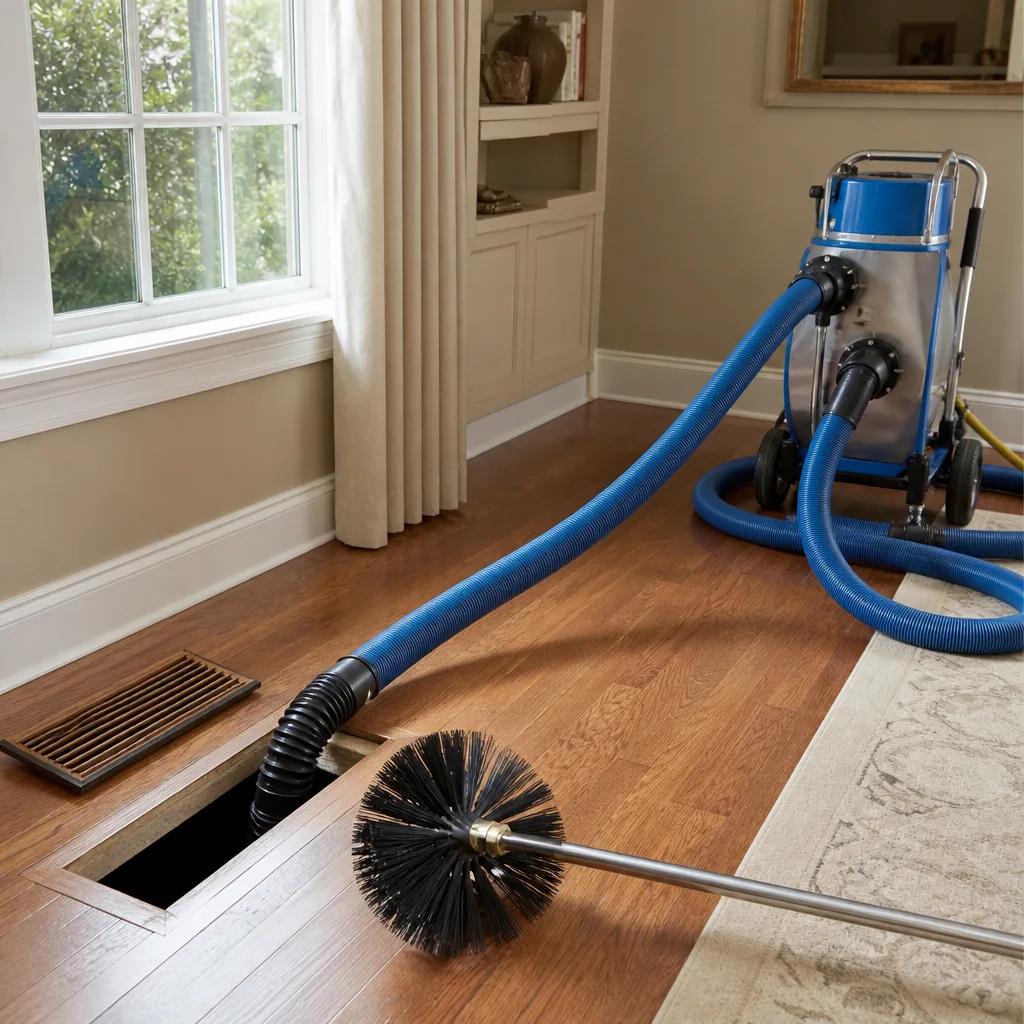 Whole-home duct cleaning
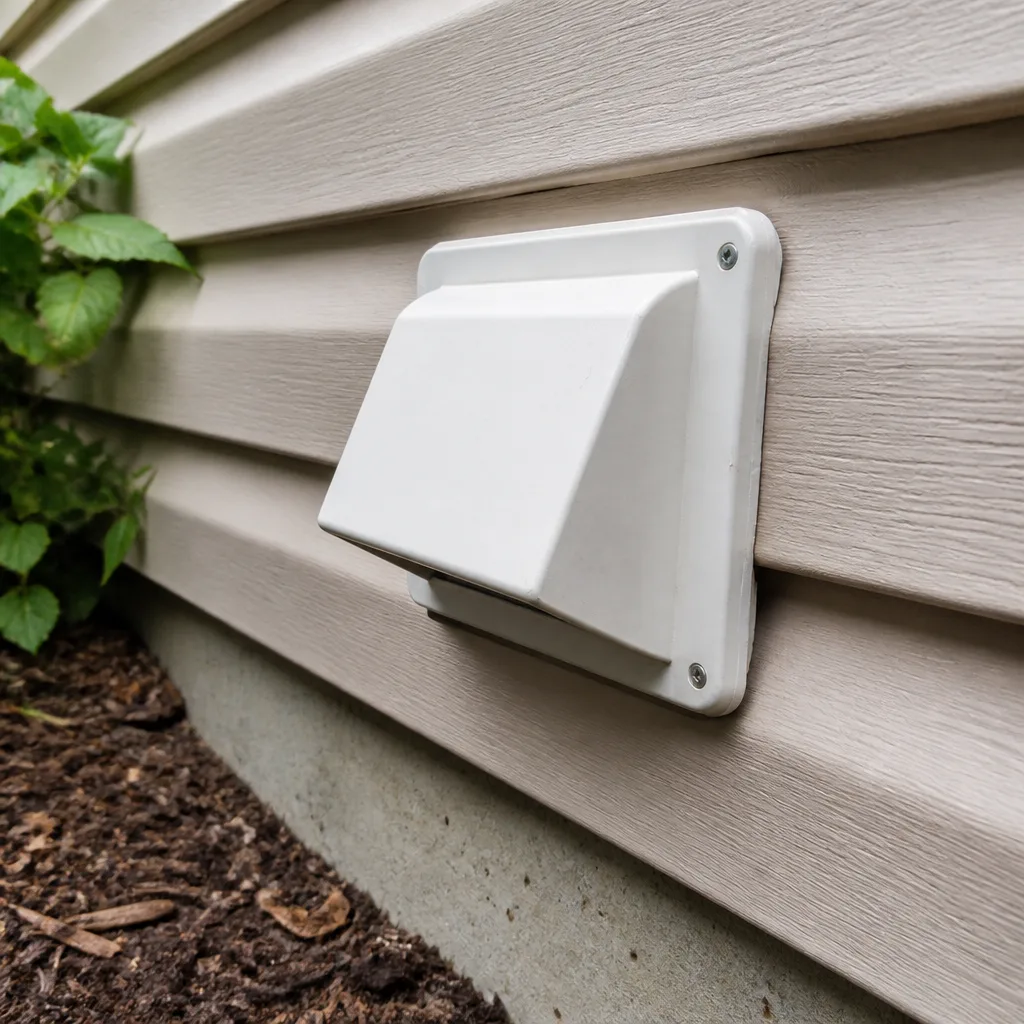 Dryer vent cleaning
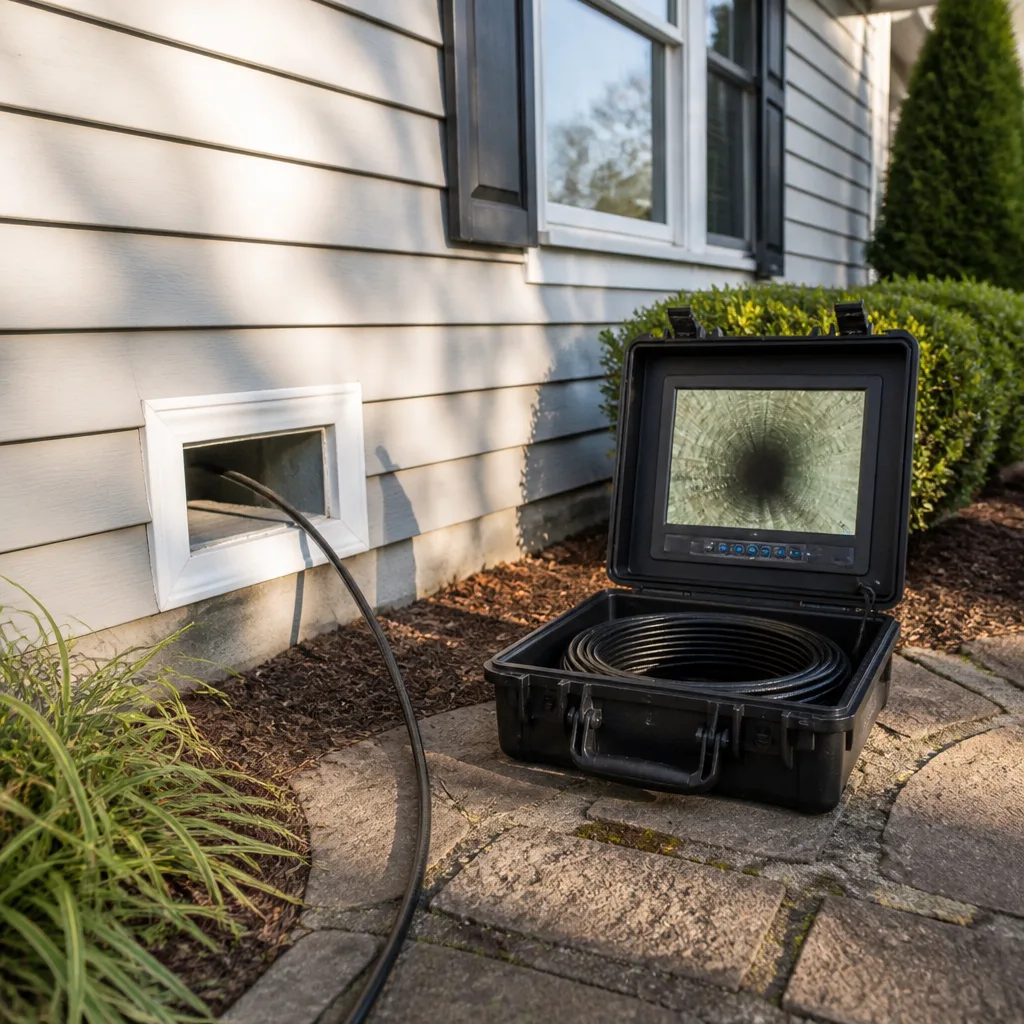 Camera inspection
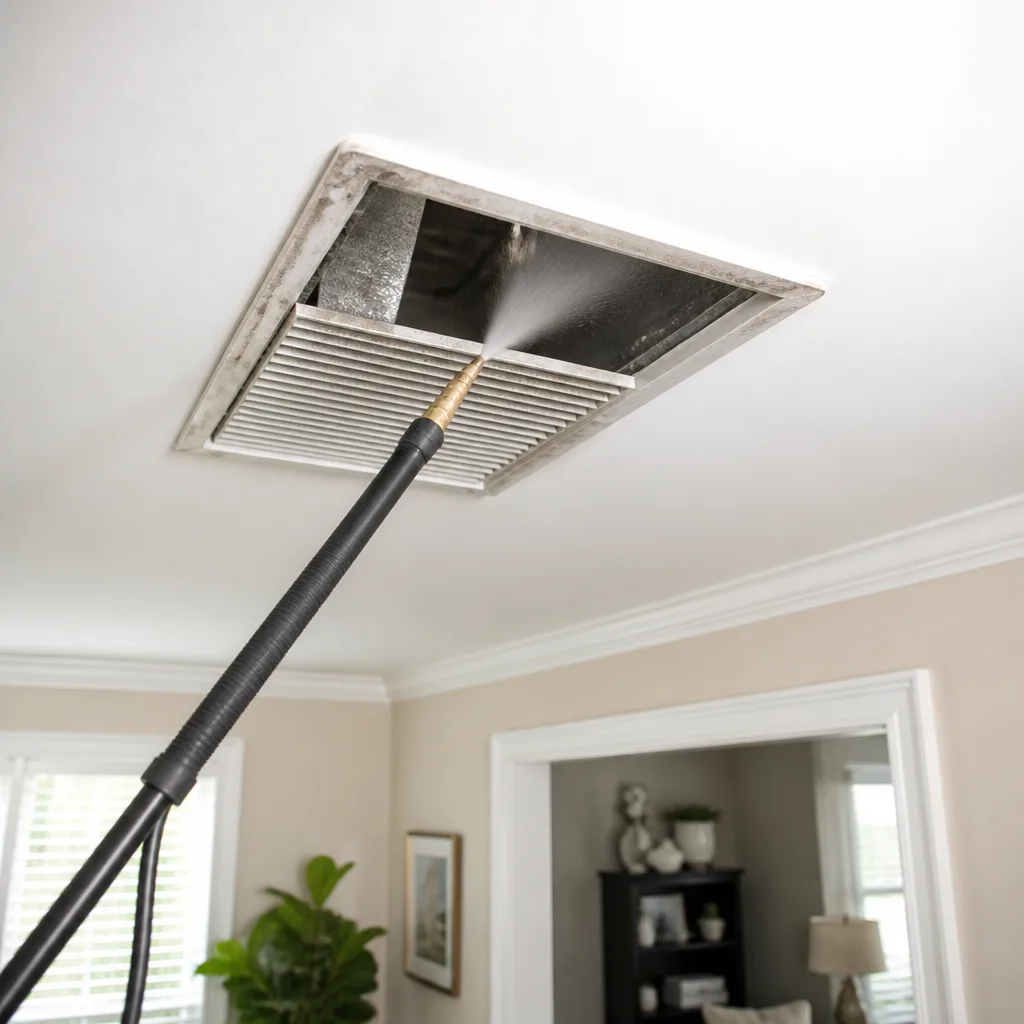 Sanitizing & deodorizing
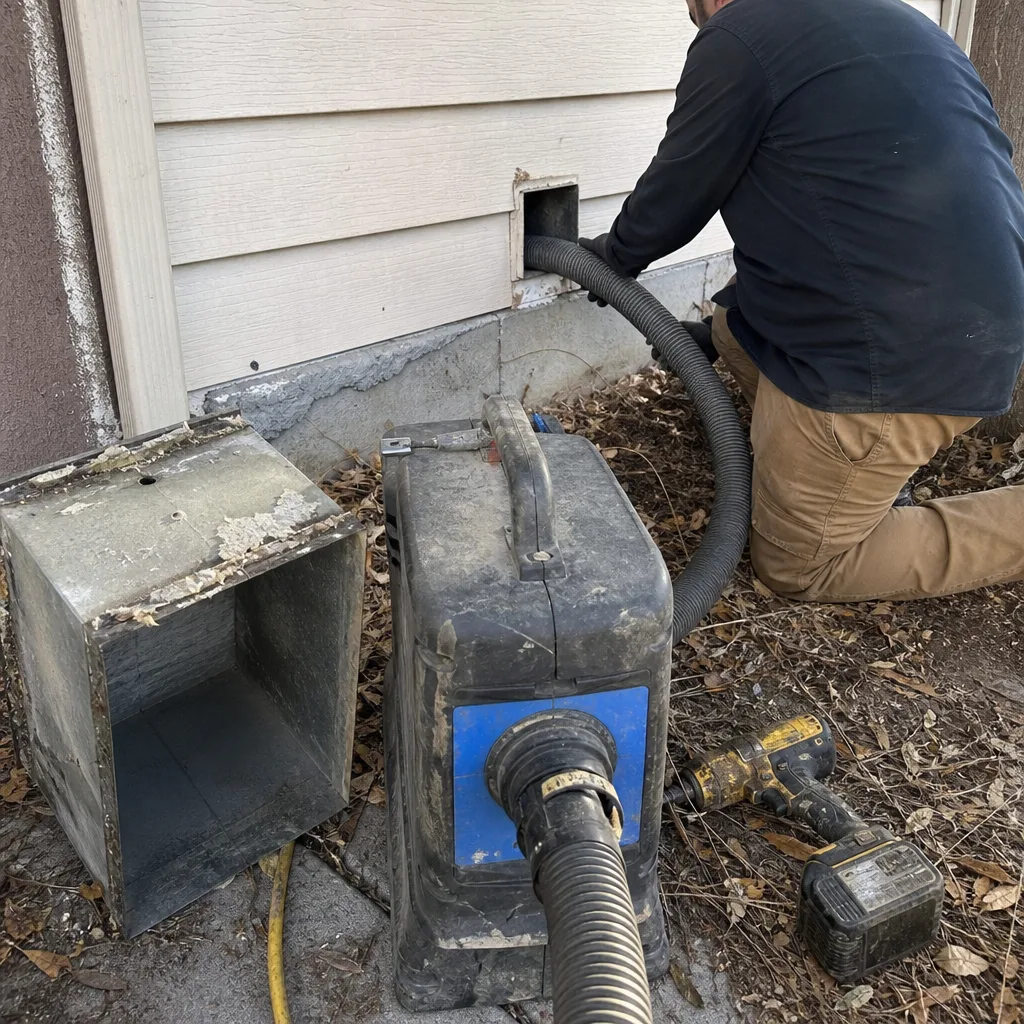
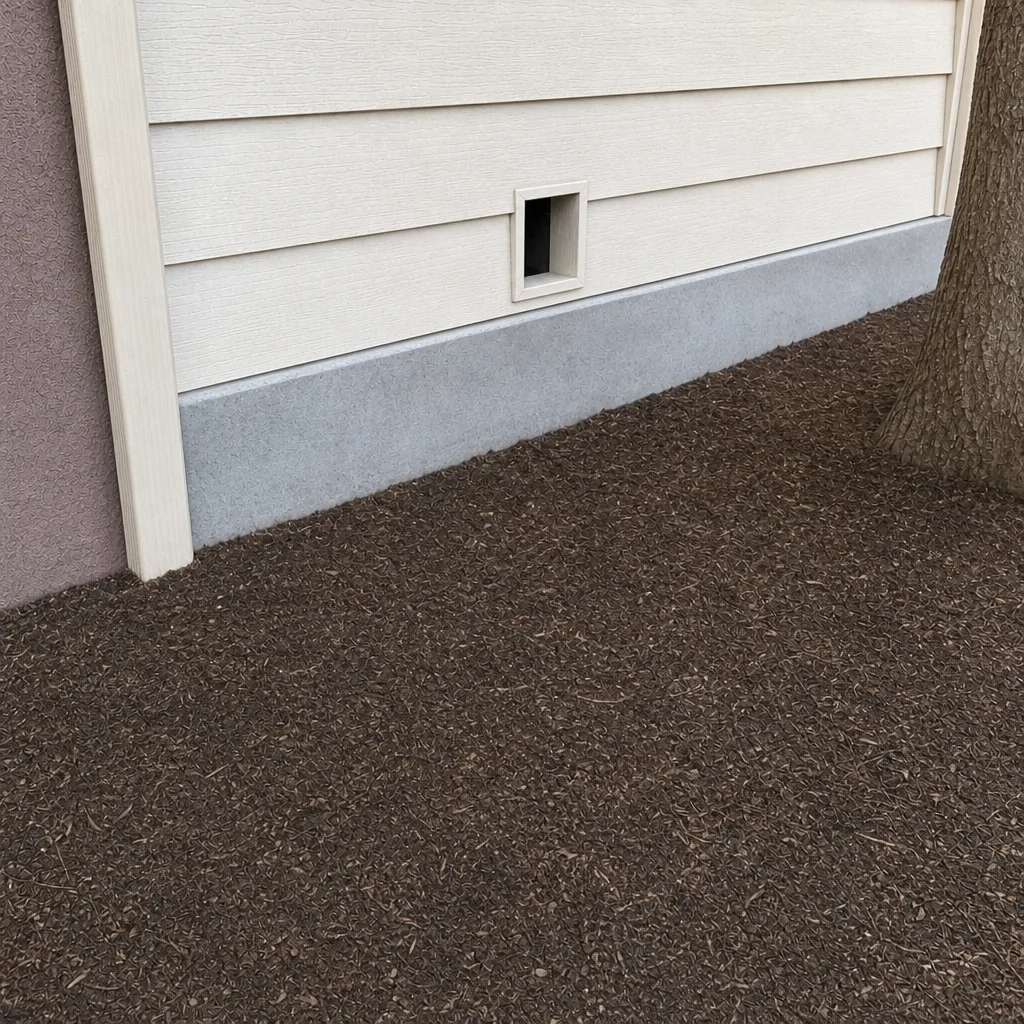
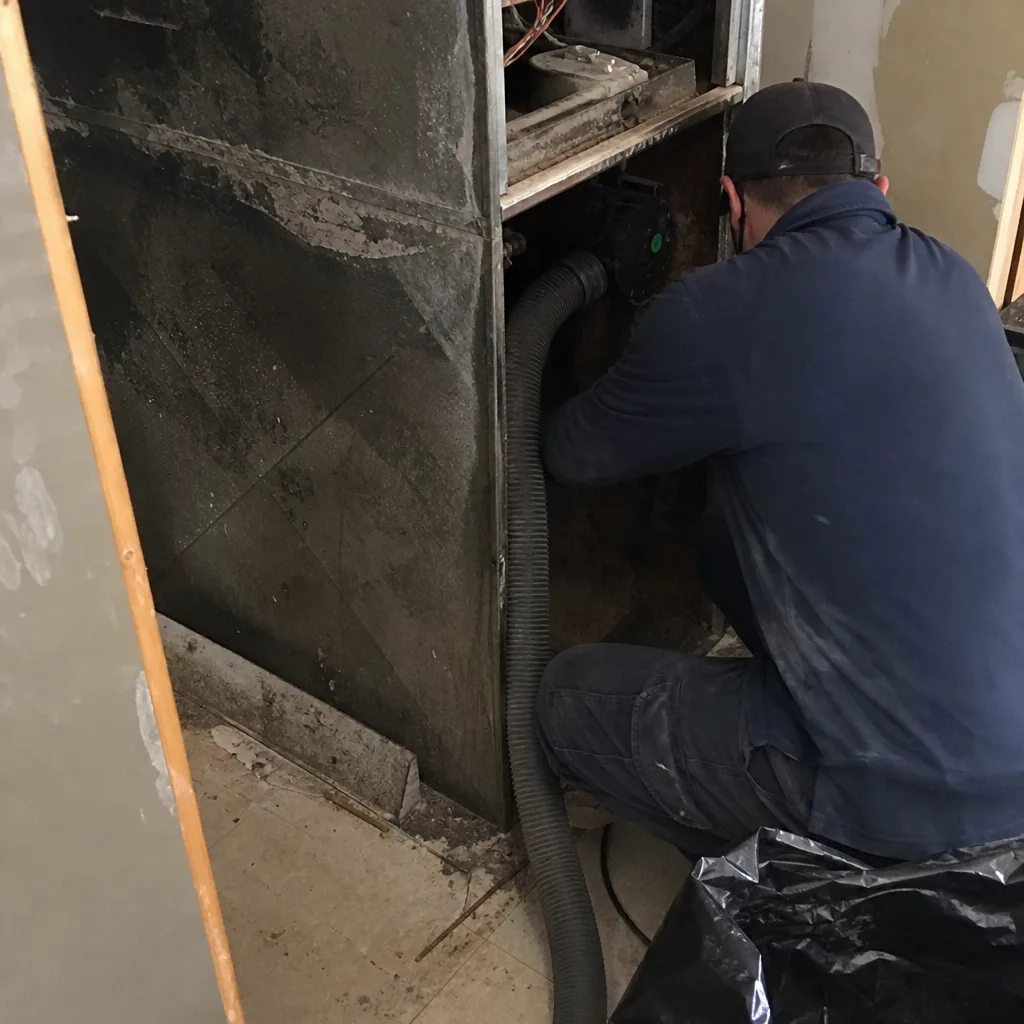
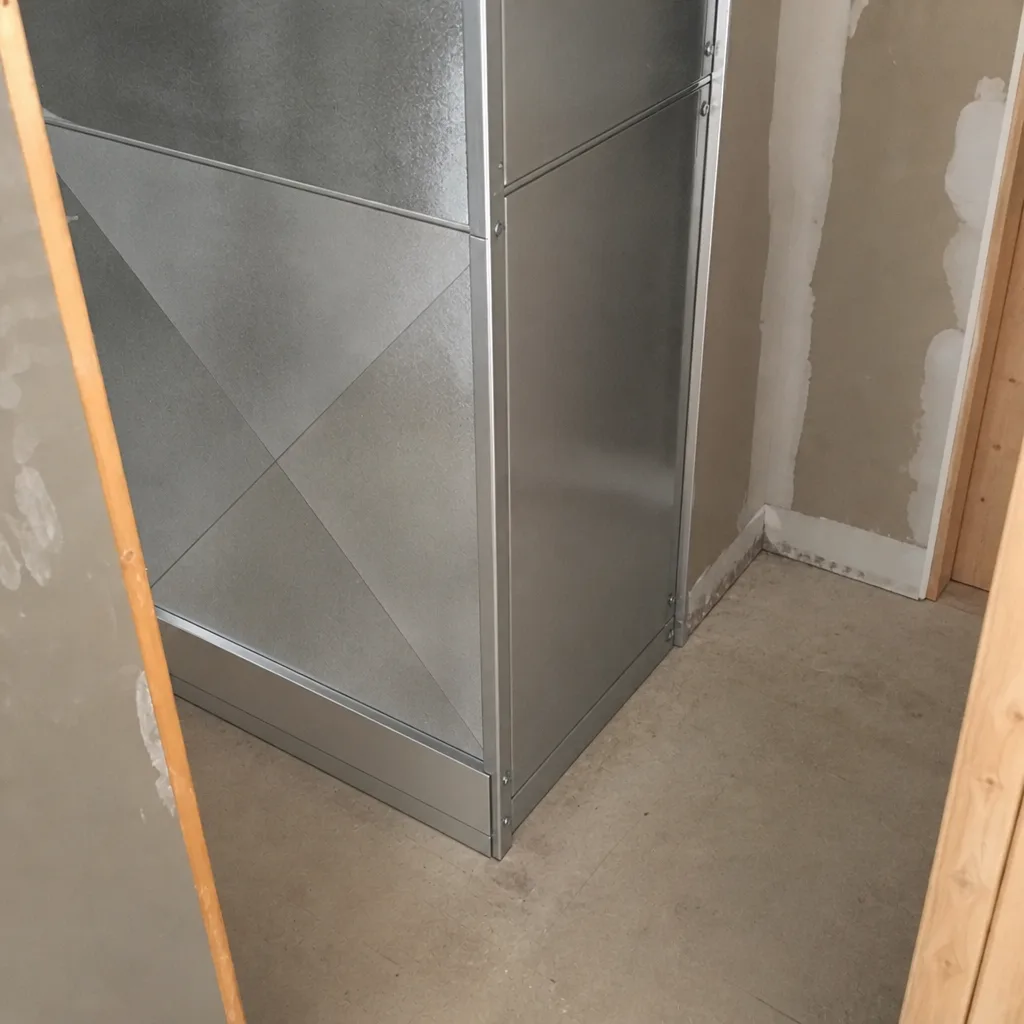
Whole-system duct and dryer vent check with before-and-after photos - you see exactly what came out of your vents
That "$99 whole-house special" is a bait ad - the real number appears once they are in your hallway, or the "clean" is a shop-vac at the register. We photograph the inside of your ducts before and after instead.
Air Duct Cleaning Maintenance Checklist for Taylorsville Homeowners
Changing your filter on schedule feels responsible. But here’s what that habit hides: if your ductwork has a micro-tear near a return, unfiltered air slips around the filter entirely, and no filter calendar on earth will catch it. Filters handle what reaches them. Duct integrity handles everything else. That gap is why so many Taylorsville homeowners feel like they’re doing the right things and still get musty air, uneven rooms, and dust that settles back an hour after they wipe it down. This guide gives you a living checklist, not a generic reminder to “clean your ducts every few years.” You’ll get monthly tasks you can do yourself, annual professional milestones, event-triggered steps, and a logging format that turns each service into a record of your system’s real behavior in this valley.
Quick Answer
Maintain home ducts by running a tiered checklist: monthly homeowner checks on filters and airflow, one professional deep cleaning and inspection roughly every few years depending on dust load, and event-triggered cleaning after renovation, wildfire smoke intrusion, or flooding. Each service should be logged so you can compare filter loading rates, airflow strength, and odor notes over time, which tells you whether the system is getting worse or just working through a normal debris cycle.
Styles & brands we work with
- Whole-home duct cleaning
- Dryer vent cleaning
- Camera inspection
- Sanitizing & deodorizing
Table of Contents
- Why a Checklist Beats a Reminder
- Monthly Homeowner Checks
- Annual Professional Milestone Tasks
- Event-Triggered Cleaning
- What to Log at Each Register
- Utah’s Dry Climate and Your Ducts
- Tracking Filter Loading Rates
- Building a System History
Why a Checklist Beats a Reminder
A reminder assumes the problem is time. Change the filter, wait the years, book the cleaning. But duct contamination doesn’t run on a schedule. It builds from specific local conditions: dust from construction, smoke from wildfire season, dust kicked up by our dry summers, and the ordinary accumulation of a home that uses its furnace and air conditioner hard through both temperature extremes. Taylorsville sits in a valley where air quality is a real topic in the news each summer, and that reality changes how homeowners should think about their systems.
A checklist ties your attention to triggers instead of the calendar. Some months need nothing. Some weeks, like the week after a kitchen remodel or the week the mountains burn, demand action your calendar never scheduled.
We’ve seen this difference play out in real customer calls. A homeowner who logs airflow and dust color at each register starts noticing patterns. They know their return vent pulls harder in winter because furnace dust settles differently than summer dust. They know the musty smell in their spare room returns about six weeks after each professional cleaning, which points to a source the cleaning itself won’t fix.
That kind of observation is what turns maintenance from a guessing game into a monitoring protocol. Our technicians have up to 12 years of experience, and the ones who spend their days inside Taylorsville duct systems will tell you: the homes that stay cleanest aren’t the ones cleaned most often. They’re the ones where the owner knows what to watch.
If you’re new to professional cleaning generally, start with our guide to air duct cleaning, then come back here to build out the recurring schedule.
Monthly Homeowner Checks (10 Minutes)
Do these same tasks the same week each month so your comparisons are apples to apples. Nothing here requires tools beyond a flashlight and a fresh filter.
- Check every filter. Hold it up to a light. If light barely passes through, it’s loaded. Note the date and how many days it took to get there.
- Feel the airflow at each supply register with your hand for a count of five. Rate it weak, normal, or strong and write it down. Compare to last month.
- Look at the return grille. A dust film is normal. A dust mat, or dust clinging in strings, means the return is pulling harder than usual.
- Sniff each room. Musty, dusty, and burnt-dust smells point to different causes. Note the type and the room.
- Wipe one register with a white cloth. Look at the color: gray means regular household dust, black means smoke or soot, reddish-brown flags rust or debris from damaged duct lining.
- Check the condensate line and pan at the air handler for standing water. Any moisture here is a red flag for microbial growth downstream.
Fifteen minutes a month, and you’ll have the data a technician needs to diagnose the system instead of guessing at it.
Annual Professional Milestone Tasks
Once a year, schedule a professional visit that goes beyond a visual walkthrough. A full-system visit should include inspection, cleaning, and a written report of what was found. If your maintenance contract only covers vacuuming, it’s not a full annual task.
The professional should inspect the entire system: supply and return runs, the air handler, coil cabinet, and register boots. Rotary-brush cleaning with equipment like the Rotobrush line dislodges compacted debris from duct walls, and a Nikro HEPA-rated vacuum pulls the loosened particles at the source so they don’t spread through the house. Ask what equipment will be on site. If the answer is a shop vac, keep looking.
A proper annual visit achieves four things:
- Removes debris that has compacted to duct walls over the year
- Confirms duct integrity, including checking for cracks, separated joints, and failed seals
- Verifies the air handler and evaporator coil haven’t developed buildup
- Produces a written summary you can put in your system log
We use Abatement Technologies air filtration during service to capture displaced particulates in real time. That matters for homes with any occupant dealing with respiratory sensitivity. If filtration equipment wasn’t used during your last cleaning, ask about it before you schedule the next one.
Consider timing the annual visit for late spring, when heating season has ended and cooling season is about to start. That way you head into the heavy-use months with a clean system, and the post-summer dust load becomes your next winter’s problem to solve.
Event-Triggered Cleaning
This is where the checklist earns its value. Time-based reminders miss these events entirely, and these events are often the real reason a home duct system gets dirty.
After renovation. Drywall dust is one of the most invasive particles a home can produce. It migrates into return ducts within hours. If you’re sealing, sanding, or tearing out walls, plan a professional cleaning within two weeks of completion. If the work is ongoing, pay attention to return-grille dust accumulation in affected rooms.
After wildfire smoke. Northern Utah summers bring smoke events, and the fine particulates in smoke settle into ductwork and on duct surfaces. If your house smelled of smoke for days and the smell lingers after airing out, add a professional cleaning to the list. Check your filter and consider upgrading filtration if your annual check revealed heavy loading.
After any water intrusion. A flooded basement, a leaking roof, a burst pipe: any of these can wet ductwork or duct lining. Duct board that has absorbed water creates a serious microbial risk and typically needs replacement, not cleaning. Do not run the system while wet materials are in place.
After moving in. If the previous owner’s maintenance history is unknown, get an inspection before trusting the system. It’s cheaper to know now.
After pest activity. Rodent activity in a crawlspace or attic often reaches ductwork. Debris and contamination at the source require professional cleaning and, usually, repair of the entry point.
What to Log at Each Register
This is the heart of the protocol, and it’s the part most guides skip. Structure your log around three simple observations at each register. Use a notebook, a spreadsheet, or a note on your phone. Consistency matters more than format.
Odor type. Match what you smell to a category:
- Musty: moisture or microbial growth somewhere in the system
- Dusty or dirty-sock: normal debris, possibly heavy loading
- Burnt or hot: check the air handler and furnace; this is a safety item, not a cleaning item
- Chemical or sweet: potential refrigerant or combustion issue; call a technician
- Smoke: recent smoke intrusion or residue in the ducts
Debris color. Gray is household dust. Black points to smoke or soot. Reddish-brown indicates rust or disintegrating duct lining. Brownish-gray with a gritty texture is often construction or soil dust.
Airflow feel. Score it 1 to 5 with your hand. Drop a score across rooms and it points to a duct leak or blockage. Drop across the whole house and it points to the air handler, filter loading, or a failing blower.
Log a change whenever a score shifts by two or a new category appears. Those changes are your cue to call rather than wait for the annual visit.
Utah’s Dry Climate and Your Ducts
Utah’s dry air brings a specific risk list. Some of it is invisible until something fails.
Static buildup. Low humidity increases static charge throughout duct systems, attracting dust to duct walls faster than in humid climates. It also means dust particles clump and hold tighter. Rotary-brush cleaning is more effective than straight vacuuming for this kind of static-bound debris, which is one reason professional equipment matters here.
Cracked duct board. Rigid duct board insulation can dry out and crack over time, especially in unconditioned spaces that see temperature swings. Cracks leak air and pull unfiltered attic or crawlspace air into the supply stream. Inspect visible ductwork in attic and crawlspaces annually; a professional can confirm what’s underneath insulation.
Humidity-related seal failure. Mastic and duct tape are stressed by seasonal extremes. Winter cold and summer heat cause joints to expand and contract, opening gaps in mastic over time. A visual check of accessible joints each year catches most of these. Duct Repair & Sealing addresses them before they become air-loss and contamination problems.
Return-side filtration quality. Dry air makes indoor dust more mobile. If your return filter is a low MERV choice, it’s collecting less than it could be. Consider a higher-efficiency filter, and check whether your system can handle the added resistance. Honeywell and Aprilaire filtration options are designed for this. If you already have a whole-home filtration system, check the media at least twice a year.
For property managers running several units in the Taylorsville area, these dry-climate factors are worth budgeting into an annual schedule. Static-clung dust and dried-out sealant are consistent across units, not random.
Tracking Filter Loading Rates
Filter loading rate is your best leading indicator of duct contamination between professional cleanings. It’s also easy to track once you’re in the habit.
Here’s how to set it up:
- Note the date you install a fresh filter and write down its MERV rating.
- Check it after 30 days and photograph it next to a light source.
- Check again at day 60 and day 90 with the same photo setup.
- Record the approximate date the filter reaches “loaded,” meaning light barely passes through.
- Compare across filter cycles. Loading that speeds up over time points to a developing duct issue.
Rough benchmarks help interpret what you see. A filter reaching full load in six weeks in a system that previously took eight weeks means something changed. More dust in the air stream, a leak in the duct pulling in attic dust, or a new pet in the home are all possible causes. A filter that never reaches full load can mean the blower is weak or the filter slot is leaking air past the filter entirely.
Filter loading tracked alongside your register notes gives you a two-signal system. Both signals changing at the same time is a strong indicator the ducts themselves need attention. Only one changing is often a filter problem or an equipment problem.
If you’re not sure what to look for, ask about it when you call. We’ll walk you through what’s typical and what isn’t.
Building a System History
The single most useful thing you can do for your duct system is keep a history of it. Every professional service, every filter change, every logged observation adds a data point. Over time, that history changes how you make decisions.
At minimum, capture these items after each professional service:
- Date of service and who performed it
- Equipment used (Rotobrush, Nikro, Abatement Technologies filtration, or whatever was on site)
- What was found during inspection: debris type, duct condition, moisture notes
- Repairs made, including seals, replaced sections, or new insulation
- Products used, including sanitizers and any Guardsman-line protective treatment
- Before-and-after photographs of at least the main trunks and returns
- Recommendations for the next visit, especially anything the technician flagged as watch items
Over three or four services, this log tells you something no single cleaning can: whether the system is trending cleaner or dirtier. If every service is turning up heavier debris than the last, something upstream needs fixing, not just cleaning. That’s when the conversation should shift from cleaning to repair.
If your history shows a pattern of air loss at specific junctions, the conversation turns to HVAC cleaning and duct sealing rather than more vacuuming. If the pattern shows lint buildup at a specific register, the conversation might involve dryer vent cleaning if the dryer shares the chase.
Property managers should keep this log per unit. It saves enormous time when a tenant reports airflow complaints, because the baseline is already documented.
Common Mistakes to Avoid
- Assuming filter changes solve everything. A filter only catches air that reaches it. Duct leaks bypass it entirely, and no filter calendar catches those.
- Trusting a “blow-and-go” cleaning. If a technician shows up with a shop vac and finishes in under an hour, the work isn’t happening. Professional cleaning uses rotary-brush equipment and HEPA vacuuming at the source.
- Skipping inspection on the assumption the ducts are fine. Duct board cracks in the attic and failed mastic joints aren’t visible from the register. They only surface during inspection.
- Ignoring a musty smell as “normal.” Musty points to moisture. It’s a repair cue, not a cleaning cue, and needs to be traced back to a source.
- Cleaning after a renovation but not sealing the ducts. Renovation dust enters wherever the ducts leak. Cleaning without addressing those leaks means the dust comes back on the next project.
- Running the system while ducts are wet. If you’ve had water intrusion in the ducts, running the system before the ducts dry and the damaged material is replaced spreads microbial growth through the whole house.
- No documentation. Without a written record, each service is an isolated event. You can never spot a trend, and you can’t tell whether the last cleaning actually did its job.
See the difference
 Before
 After
 Before
 After
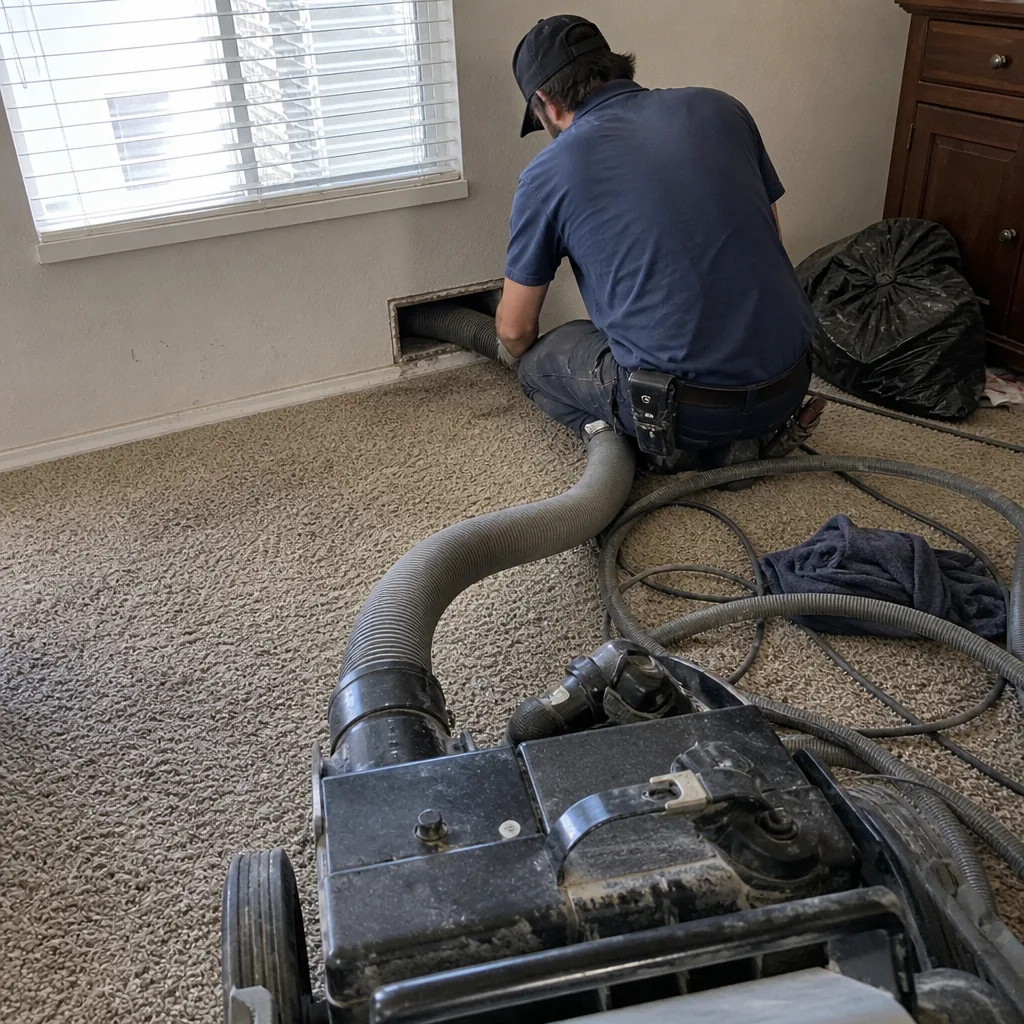 Before
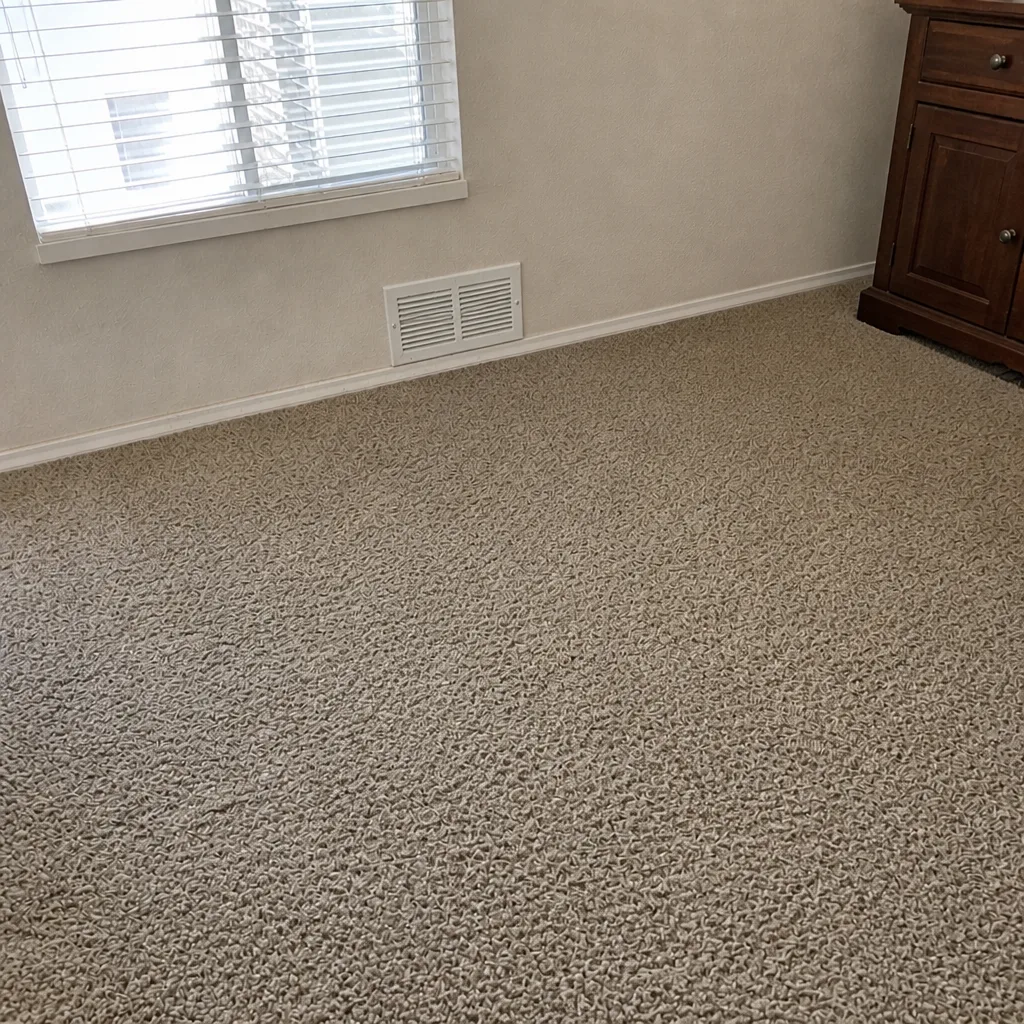 After
When to Call a Professional
Some items on this checklist are yours to handle. Others are safety and quality matters best handled by a trained technician: duct inspection beyond the register, duct sealing, repair of any cracked duct board, and any microbial remediation concern. Those don’t belong on a homeowner DIY list, and attempting them can make the problem worse.
Call when any of these apply:
- A register’s airflow score drops two points in a month
- A musty or burnt smell is new or persists longer than a couple of weeks
- You’ve completed a renovation, water damage event, or dealt with heavy smoke
- Filter loading speeds up noticeably across consecutive cycles
- You’re moving into a home with no maintenance history
- Your annual milestone visit comes due
Taylorsville Air Duct Cleaning Pros offers free estimates in Taylorsville. Call (833) 468-5997. We answer 24/7, and fast dispatch from 7am to 7pm, Sunday through Friday, gets a technician out to look at what your checklist turned up.
The team behind Taylorsville Air Duct Cleaning Pros handles inspection, cleaning, sealing, and sanitizing as one coordinated visit, so the checklist items don’t have to be solved by four separate providers.
Frequently Asked Questions
A general rule is every few years, but a better rule is trigger-based: after renovation, water intrusion, wildfire smoke, moving into a home with unknown history, or when your checklist shows accelerating filter loading or worsening airflow. Homes with pets, allergy-sensitive occupants, or ongoing remodeling should be inspected more often.
Logging what each register tells you. The odor type, debris color, and airflow score give a technician real diagnostic data instead of a vague “my house feels dusty.” Skipping that log is why many cleanings feel pointless: no one’s tracking whether the system is getting better or worse between visits.
They introduce specific issues. Low humidity increases static charge, which makes dust cling to duct walls tighter and harder to dislodge with a plain vacuum. Dry-out can crack duct board insulation over time, and seasonal temperature swings stress mastic and tape at joints. These aren’t visible at the register, which is why professional inspection belongs on the annual checklist.
Honest whole-system pricing depends on the number of runs, system size, and whether repair or sealing is needed, so a real quote comes from an on-site estimate. We set one flat price per system agreed before work starts, never a per-vent rate, and we photograph your ducts before and after so you can verify the work. Call (833) 468-5997 for a free estimate.
Because they’re quoting a different service. Shop-vac “cleaning” skips rotary-brush agitation, HEPA filtration, and inspection, and the low number is bait for an upsell once the technician arrives. Ask what equipment and process are included before comparing numbers, because a low quote and a real one rarely measure the same work.
Ask for before-and-after photographs of your own ducts, a written summary of what was found and repaired, and the names of the equipment used. If a provider won’t document the process, treat that as your answer. We photograph each system we work on and hand you the record.
The Bottom Line
Your duct system is a moving part of your home’s air quality, and it needs a monitoring routine more than a reminder. Change and log filters, note what each register tells you, schedule one professional visit per year for inspection and cleaning, and add event-triggered cleanings after renovation, smoke, or water intrusion. Track it all in a simple log so you can spot trends: heavier debris, faster filter loading, rising airflow complaints. In Taylorsville’s dry, dusty, sometimes smoky air, that log is the difference between guessing at what your ducts need and knowing. When the checklist points to a professional visit, call (833) 468-5997. We answer 24/7. Fast dispatch from 7am to 7pm, Sunday through Friday.
Written by the team at Taylorsville Air Duct Cleaning Pros.