
Last updated November 23, 2026
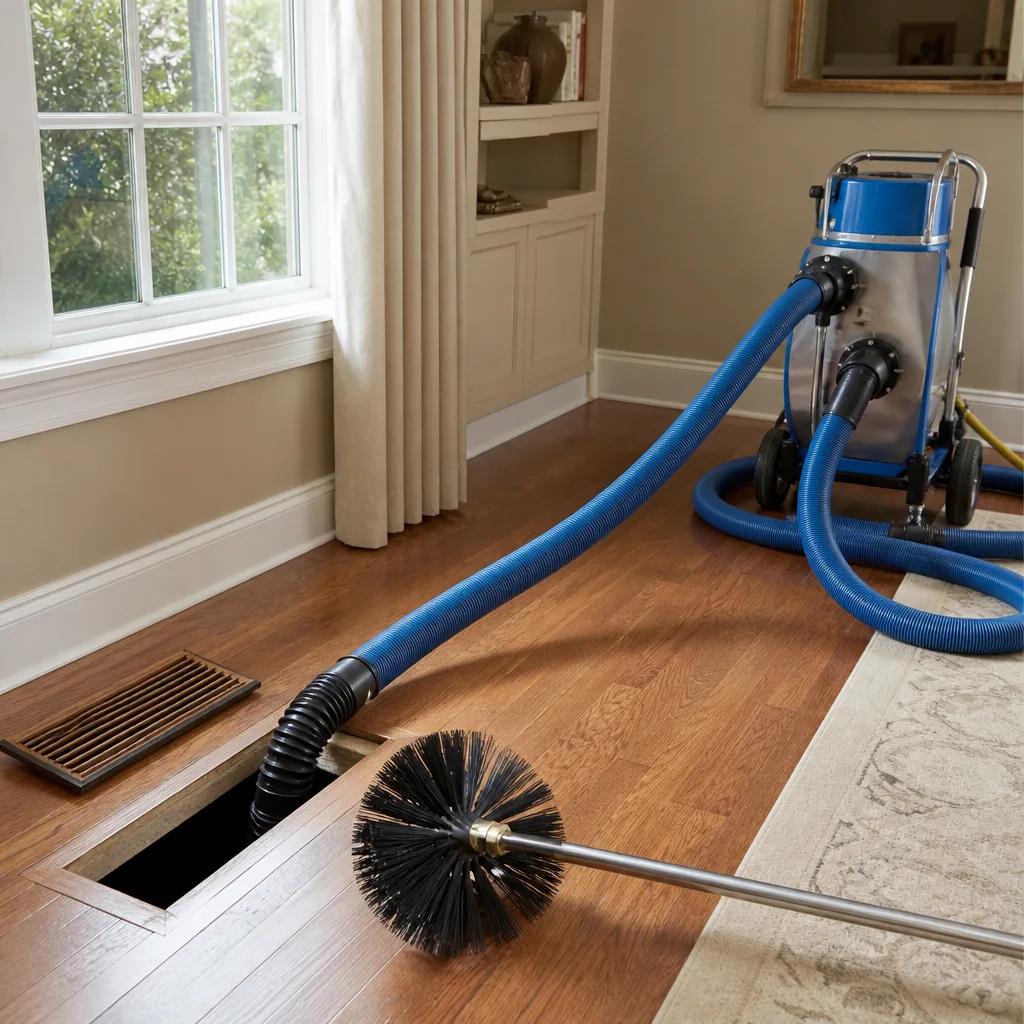 Whole-home duct cleaning
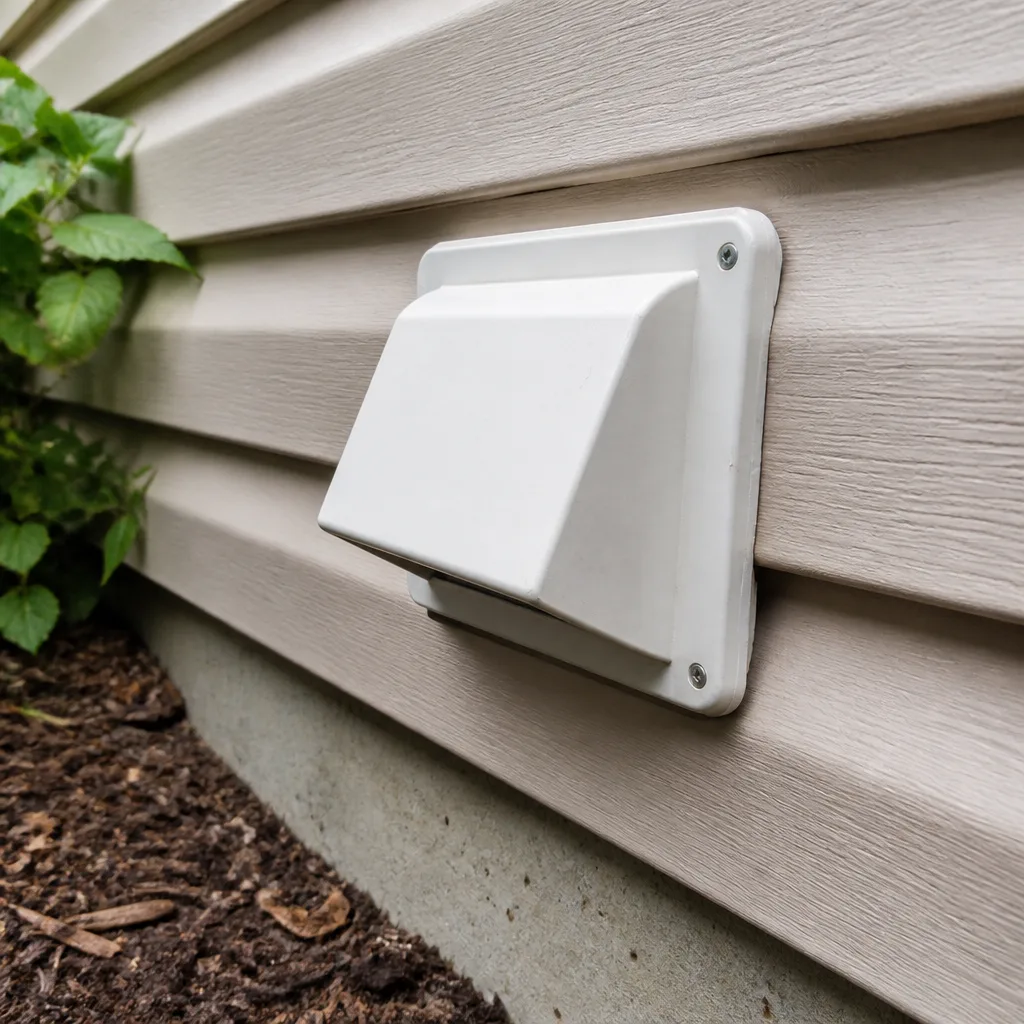 Dryer vent cleaning
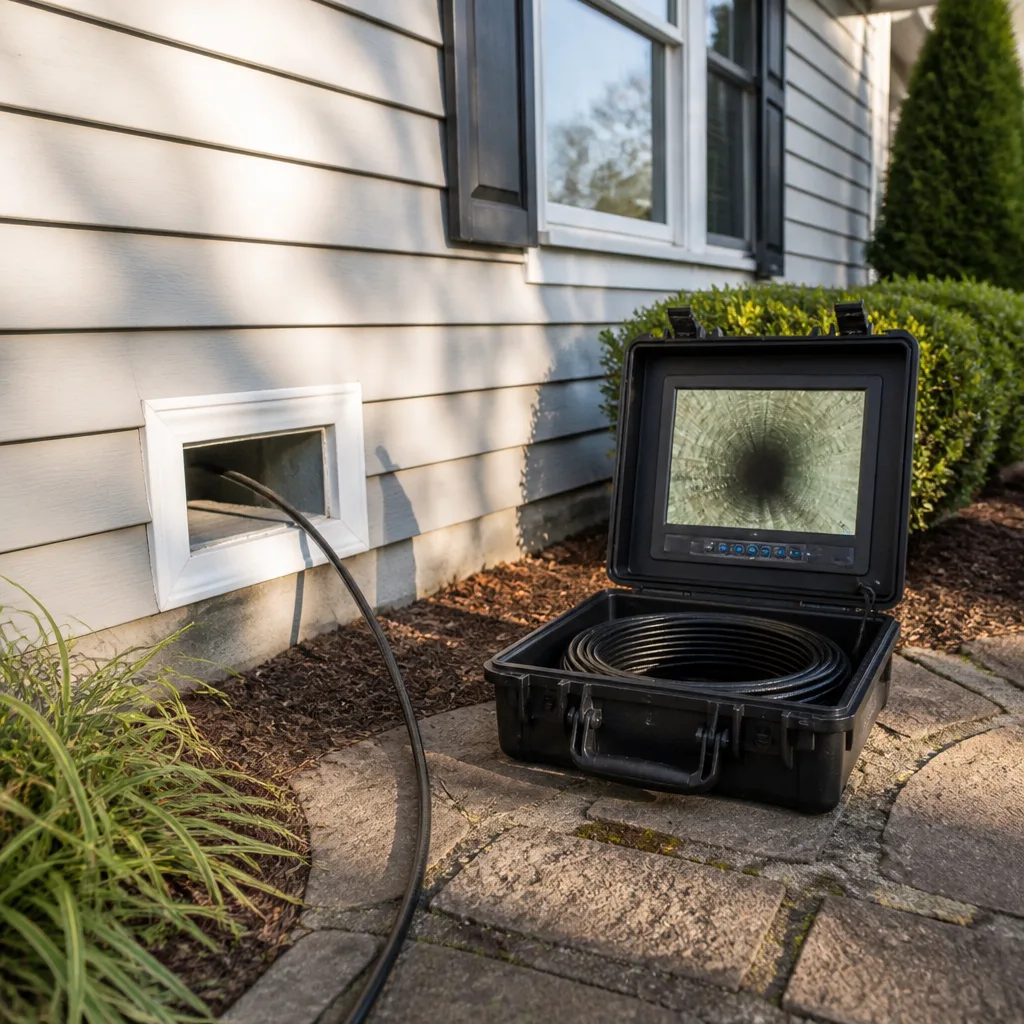 Camera inspection
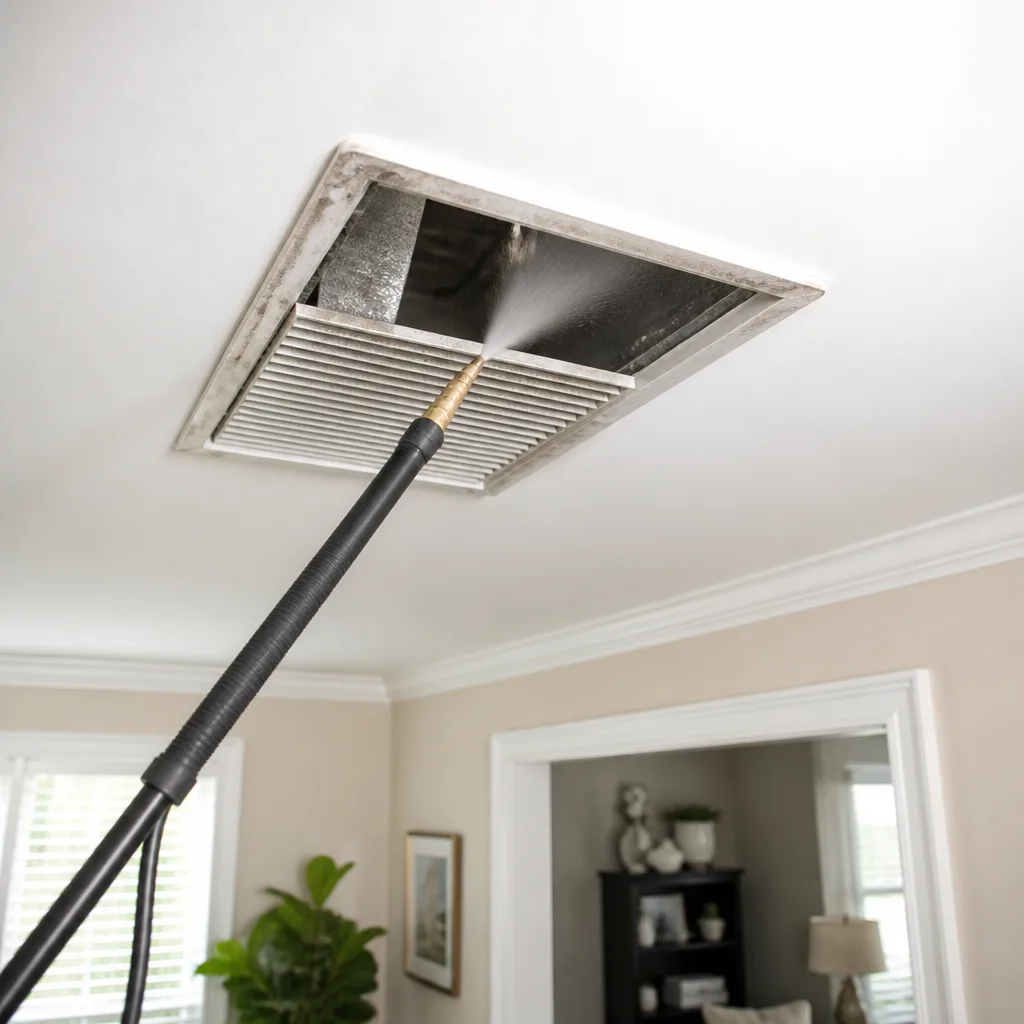 Sanitizing & deodorizing
Whole-system duct and dryer vent check with before-and-after photos - you see exactly what came out of your vents
That "$99 whole-house special" is a bait ad - the real number appears once they are in your hallway, or the "clean" is a shop-vac at the register. We photograph the inside of your ducts before and after instead.
DIY vs Professional Air Duct Cleaning: The Taylorsville Homeowner’s Decision Guide
A shop vac pulls roughly 80 CFM of air. A professional duct cleaning system moves 3,000 to 5,000 CFM. That gap is the whole conversation, and it’s why so many Taylorsville homeowners who clean their own registers still end up with dust settling on the furniture a week later. The debris didn’t leave. It got stirred, pushed a few feet down the trunk line, and settled back down the moment the blower stopped. This guide is honest about both sides. We’ll cover what you can genuinely do yourself and see a real difference from, where the physics of suction volume make DIY pointless no matter how much time you invest, and what a professional cleaning in the Salt Lake Valley actually involves beyond a vacuum hose at your floor register.
Quick Answer
DIY air duct cleaning makes sense for surface work: register and return grille vacuuming, filter upgrades, and a visual look at your dryer vent. It does not remove compacted debris from duct walls, because a consumer vacuum can’t generate the negative pressure to pull material loose and carry it out of the system. For source removal in a Taylorsville home, especially one with visible mold, renovation dust, or a resident with respiratory illness, professional equipment is the difference between cleaning and redistributing.
Styles & brands we work with
- Whole-home duct cleaning
- Dryer vent cleaning
- Camera inspection
- Sanitizing & deodorizing
Table of Contents
- The Negative Pressure Problem: Why Suction Volume Beats Suction Strength
- What You Can Legitimately Do Yourself (With Realistic Impact)
- What a Professional Cleaning Actually Involves in Taylorsville
- The Honest Cost Comparison: DIY Supplies vs. Professional Service
- When DIY Is the Wrong Call, Even Beyond Equipment
- Your Between-Cleaning Maintenance Routine
- Taylorsville Factors That Change the Calculation
The Negative Pressure Problem: Why Suction Volume Beats Suction Strength
Most homeowners assume duct cleaning is about strength. A more powerful vacuum, tighter seal at the register, more passes with the nozzle. That’s a reasonable assumption, and it’s the wrong one. The determining factor is suction volume, measured in cubic feet per minute, because volume is what carries dislodged debris through the ductwork and out of the house. A shop vac can pull decent pressure at the tip, but it moves about 80 CFM. A truck-mounted or high-capacity professional system moves 3,000 to 5,000 CFM. When a rotary brush or air whip breaks debris off a duct wall, that material has to be captured and conveyed the full length of the trunk and branch runs. At 80 CFM, it isn’t. It drops back down at the first bend or reduction.
Put another way: a consumer vacuum changes where the dust is, not whether it’s in your system. You’ll pull a satisfying amount out of the register boot, and the fine particulate lining the rest of the run stays exactly where it was. The same logic explains why running your furnace fan on high while you vacuum doesn’t help. That fan circulates household air; it doesn’t create the pressure differential needed for source removal.
What “Source Removal” Means in Plain Language
Source removal means the contaminants come out of the building. Loose dust on register covers, dust on the return grille face, and the debris visible from the floor opening are surface soil. Compaction along the duct walls, debris trapped past a sag in flexible duct, and the film of fine particulate that dusts the inside of trunk lines are the source material. Professional cleaning is built around contacting that material with a brush or air tool while a high-volume vacuum holds the system under negative pressure so the loosened debris never enters your living space. That’s why the equipment matters more than the technique. No amount of careful work at the register touches material the tool can’t reach.
What You Can Legitimately Do Yourself (With Realistic Impact)
This is where we try to be useful rather than protective of our own business. There are real, worthwhile tasks a homeowner in Taylorsville can do, and they are not trivial. They just aren’t duct cleaning.
- Replace filters on schedule, and upgrade the rating sensibly. A filter change is the highest-return air-quality task most households have. Going from a clogged basic filter to a fresh one, or stepping up one rating tier if your system supports it, changes the amount of particulate reaching your coil and your ductwork every hour the fan runs. Doing this every one to three months, depending on pets and dust, is the cheapest improvement you’ll make.
- Vacuum register and return grille faces and boots. Take off the covers, wash them, and vacuum what you can reach inside the boot with a brush attachment. This removes the visible accumulation that gets kicked back into the room by supply airflow. Expect a genuine but small improvement in surface dust; you’re cleaning a few inches of the run.
- Check your dryer vent visually. Pull the dryer out, disconnect the duct, and look inside. Clear any lint matted at the dryer outlet and check the outside hood flap for lint blocking the damper. This is important and mostly simple. What you cannot do safely from outside is clear a long duct run packed with lint deeper in the wall, which is a separate professional job covered under dryer vent cleaning.
- Keep the return path clear. Furniture, rugs, and boxes blocking return grilles starve the system and increase the velocity through the remaining openings, which stirs more dust. Two minutes of rearranging can matter.
- Watch humidity. Ducts in a damp crawlspace or a poorly ventilated basement grow a musty film faster than dry ones. A cheap hygrometer tells you what you’re working with.
None of these reach the duct walls past the first foot. All of them are worth doing, and doing them doesn’t make a professional cleaning unnecessary. It makes the result of a professional cleaning last longer.
What a Professional Cleaning Actually Involves in Taylorsville
A proper cleaning is a sequence, not a single pass with a hose. The order matters as much as the equipment, and knowing the sequence is how you tell a real service from a blow-and-go. Here’s how a full-system job goes in our experience, and what you should expect a technician to walk you through before anything starts.
- Inspection first. Before any cleaning, the technician looks inside the system, typically with a camera, and identifies the duct material, the layout, and any problem spots: disconnected joints, crushed flexible duct, mold growth, or debris that suggests a renovation happened nearby.
- Containment and negative pressure. The system is put under negative pressure with a HEPA-rated vacuum before registers are opened, so loosened debris travels toward the capture point instead of into the room. During service, filtration equipment runs in the work area to capture anything displaced, which is the difference between a clean job and a dusty afternoon.
- Contact cleaning. Rotary brush and air tools run the length of each run to break compacted material off the duct walls. This is the part that consumer vacuums can’t replicate, and it’s the core of source removal.
- Optional sealing and repair. Openings found during inspection get addressed rather than noted and forgotten, which is the point of a service that goes from cleaning to sealing. We repair what we find, because a leaking joint undoes a cleaning within a season.
- Sanitizing, where warranted. A dedicated step that neutralizes microbial buildup, not a substitute for cleaning. A treatment applied over debris is wasted; applied over clean ductwork, it’s the reason the musty smell doesn’t return in a month.
Full-system cleaning is the foundation of air duct cleaning done properly, and when the furnace and coil are part of the picture, it belongs alongside a proper HVAC cleaning rather than a separate visit.
The Honest Cost Comparison: DIY Supplies vs. Professional Service
The comparison that matters isn’t dollars-in vs. dollars-out on a per-visit basis. It’s cost-per-outcome. DIY cleaning has a genuinely low cash cost and a genuinely low outcome ceiling. Professional cleaning has a higher cash cost and reaches the material that keeps a system dirty. Comparing the two on price alone is a false equivalency, and you deserve the honest version.
- DIY supply cost: a brush kit, extension hose, shop vac, filter upgrades, and a couple of hours. Realistically a small one-time outlay plus filters. The impact: register, grille, and boot-level removal, plus improved filtration. Fine particulate in the trunk lines stays put.
- Professional whole-system cleaning: a per-job estimate, agreed in writing before work starts, priced for the system rather than per vent. The impact: compacted debris and fine particulate removed from the full run, joints inspected and re-sealed, and the microbes that drive musty odors addressed.
Here’s the distinction people miss. DIY clears the visible layer and the professional clears the source, and the two outcomes show up differently over months. A system that is clean at the source stays clean longer, because there’s no reservoir of debris to wick moisture and break down into new dust. That’s the real value of professional equipment: not one clean house the day of service, but a longer interval before you need service again. We’re glad to give you a free written estimate for your system and let you compare against your DIY supply list with real numbers in front of you. Call (833) 468-5997.
When DIY Is the Wrong Call, Even Beyond Equipment
Equipment is the usual reason DIY falls short, but there are situations where the wrong tool is the smaller problem. In these cases, a good outcome depends on someone trained to identify and handle the risk, and we recommend a professional regardless of how handy you are.
- Visible mold inside ducts or on the blower housing. Mold in a duct system usually points to a moisture source, not just a dirty duct. Cleaning without diagnosing the source spreads spores and invites the same growth back. A professional inspection starts with the cause.
- Post-renovation debris. Drywall dust, sawdust, and construction grit settle through the system after a remodel and can migrate to the coil and blower. This is fine, abrasive particulate, and clearing it requires the airflow to carry it out.
- Vermiculite insulation near or inside ductwork. Some older homes in this area have vermiculite in attics and wall cavities. Vermiculite can contain asbestos. Disturbing it with a consumer vacuum is dangerous, and the correct response is to stop and have it evaluated by a qualified professional before anyone touches the ducts.
- Any system serving a resident with respiratory illness, asthma, or a compromised immune system. When the stakes are health rather than housekeeping, the margin for redistributed particulate is not one you want to gamble on.
- Rodent or pest activity. Droppings, nesting material, and urine-soaked insulation are a biohazard that requires proper containment, personal protective equipment, and sanitizing, not a shop vac and a mask.
- Asbestos or unknown material in older duct insulation. If you don’t know what the wrap or sealant is, don’t disturb it. Have it identified.
If any of these match what you’re seeing, the equipment question is settled for you. Schedule an inspection before you schedule cleaning.
Your Between-Cleaning Maintenance Routine
A professional cleaning isn’t a forever solution; it’s a reset. What you do in the months afterward determines how long that reset lasts. This routine is meant to complement professional service, not replace it, and it’s realistic enough that most households can keep it up. Our technicians have up to 12 years of experience, and the routine below is the pattern that consistently keeps systems in better shape between visits.
- Every 1 to 3 months: change the filter. Check it sooner if you have pets or a fireplace, and note the date on the edge so you don’t guess.
- Every spring: wash register and return grille covers, vacuum the boot faces, and walk the house checking every supply and return for weak airflow, which usually means a disconnected joint or an obstruction, not a duct full of dust.
- Every 6 months: check the dryer vent run for lint at the dryer outlet and the outside hood. If the dryer takes noticeably longer to dry a load, the run is likely restricted, and that’s a professional clearing.
- Annually: look for water intrusion near ductwork, especially in a crawlspace or near the air handler. Moisture drives microbial growth, and moisture found early is a small repair.
- After any renovation: add a duct cleaning to the punch list once the dust has settled, not during the work.
If you have a home air-quality component installed, filter and humidity control maintenance belongs on this same calendar. We install and service Honeywell and Aprilaire components precisely because ongoing filtration and humidity control is what keeps a cleaned system clean, and a stale filter or a failed humidistat quietly undoes the work.
Taylorsville Factors That Change the Calculation
Duct cleaning needs are not the same everywhere, and the local picture matters. Taylorsville sits in the Salt Lake Valley, and the valley’s winter inversions trap fine particulate near the ground for days at a time. Homes here run their furnaces hard through a long heating season, which means ductwork acts as a working surface for a good part of the year. If you keep windows open in the shoulder seasons, you’re also drawing valley dust and pollen into the system. That combination makes a filter routine non-negotiable and makes source removal more valuable than it would be in a milder, cleaner-air climate.
Housing stock matters too. The mix of mid-century homes and newer construction around Taylorsville means you’ll find both rigid metal ductwork and the flexible runs common in more recent builds. Flexible duct is more prone to sagging and trapping debris at low points, and it’s also more easily damaged by an aggressive brush, which is one reason the equipment and technique have to match the duct material. Our approach pairs rotary brush systems with HEPA-rated vacuum capture, with third-party filtration running during service so the work area stays clean while we’re working in it. We’ve seen plenty of systems where a previous consumer cleaning left the register boots spotless and the run behind each boot untouched. That’s the pattern the physics predicts.
If you’re a property manager responsible for multiple units, the calculus shifts toward scheduled service rather than reactive cleaning, because a system cleaned at the source stays cleaner longer and generates fewer tenant complaints about dust and musty odors between visits.
Common Mistakes to Avoid
- Judging a cleaning by what comes out of the register. A shop vac pulls a satisfying pile from the boot, which makes the job feel done. The debris lining the run is what keeps the house dusty, and it’s untouched.
- Spraying sanitizer into a dirty duct. A treatment applied over debris does nothing lasting. Sanitizing only works after cleaning, which is why it’s a dedicated step and not a shortcut.
- Using a brush that’s too aggressive on flexible duct. A stiff brush can tear the inner liner, which then leaks and collects debris at the tear. Match the tool to the duct material.
- Blocking returns with furniture or rugs. A starved system pulls harder through the remaining openings and stirs more dust. It’s a small fix with real impact.
- Ignoring a musty smell after cleaning. If the smell returns, the moisture source wasn’t addressed. Cleaning without finding the cause is a repeat visit waiting to happen.
- Cleaning during a renovation instead of after. Drywall dust keeps settling for days. Wait for the dust to settle, then clean once.
- Assuming a newer Taylorsville home doesn’t need it. New construction doesn’t have decades of debris, but it does have construction dust and fittings that can be loose. A first-year inspection catches both.
See the difference
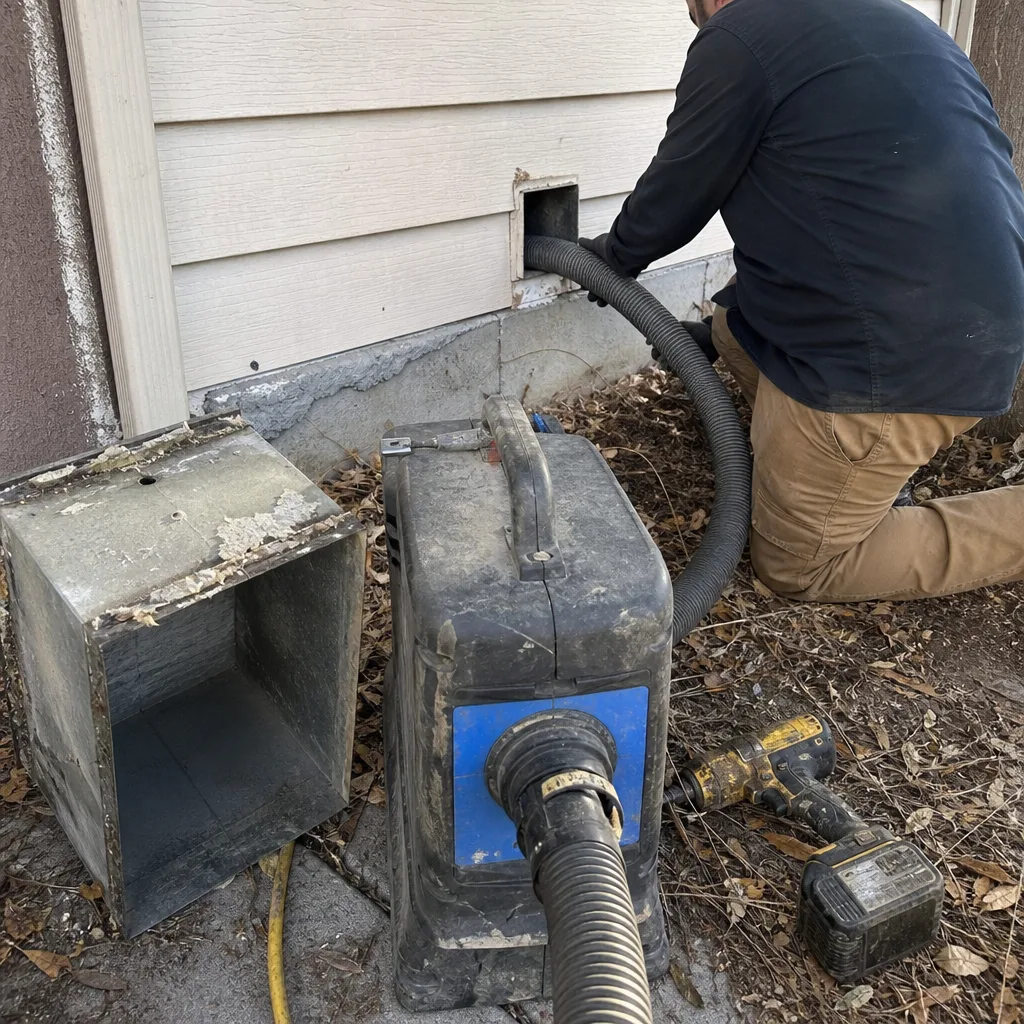 Before
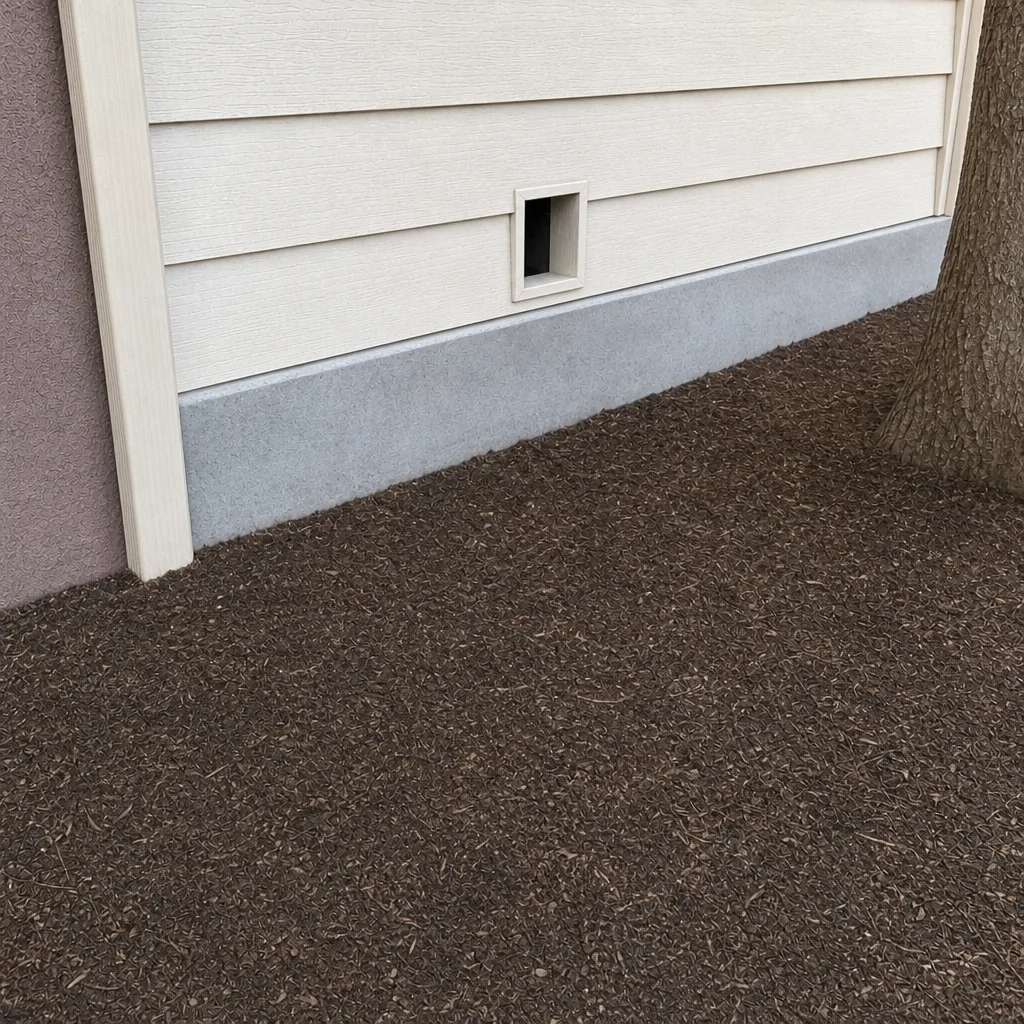 After
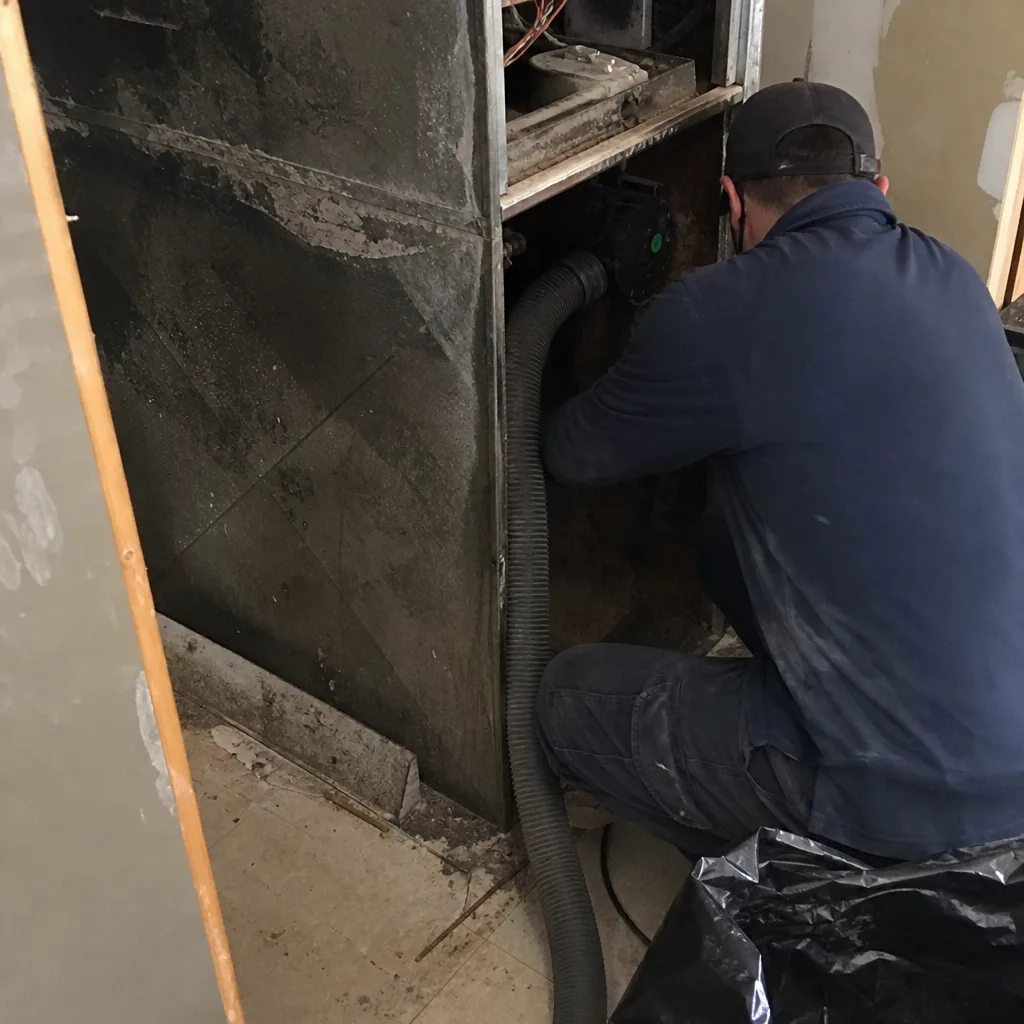 Before
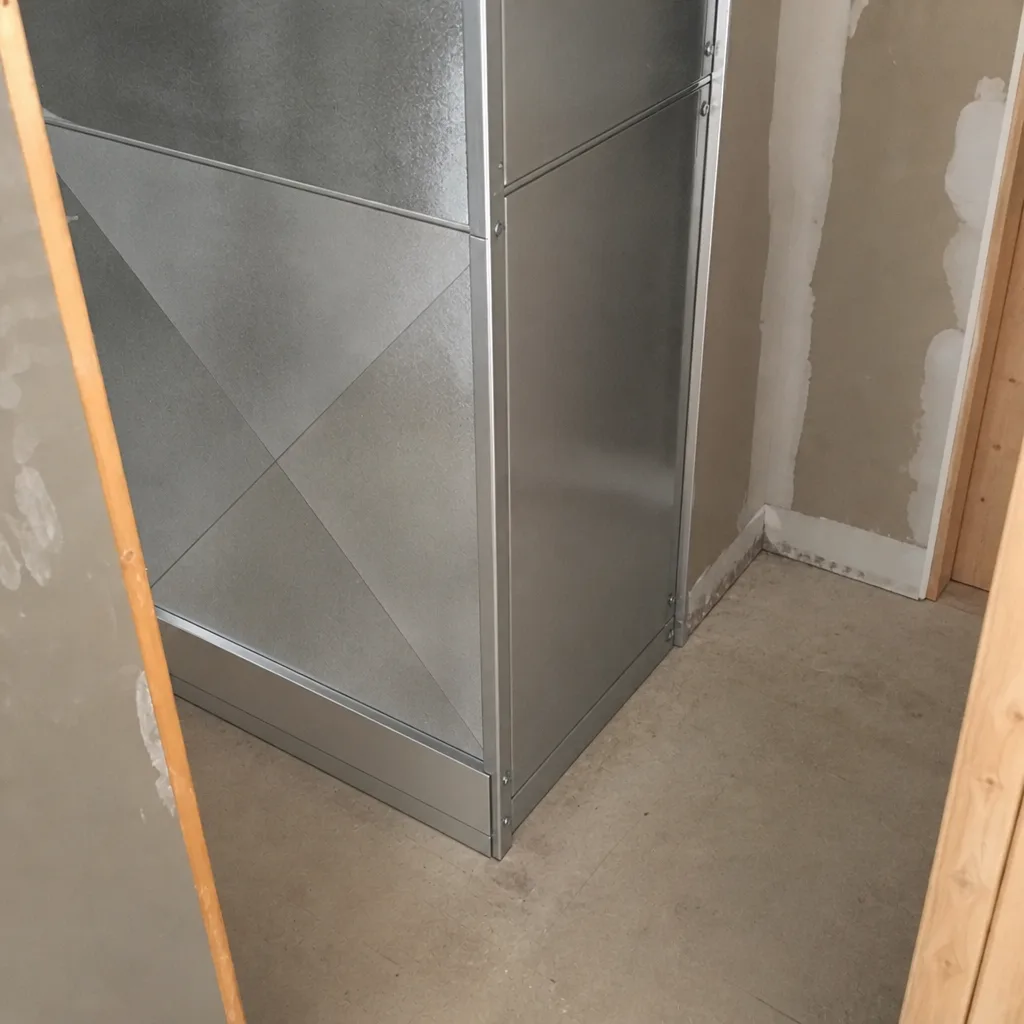 After
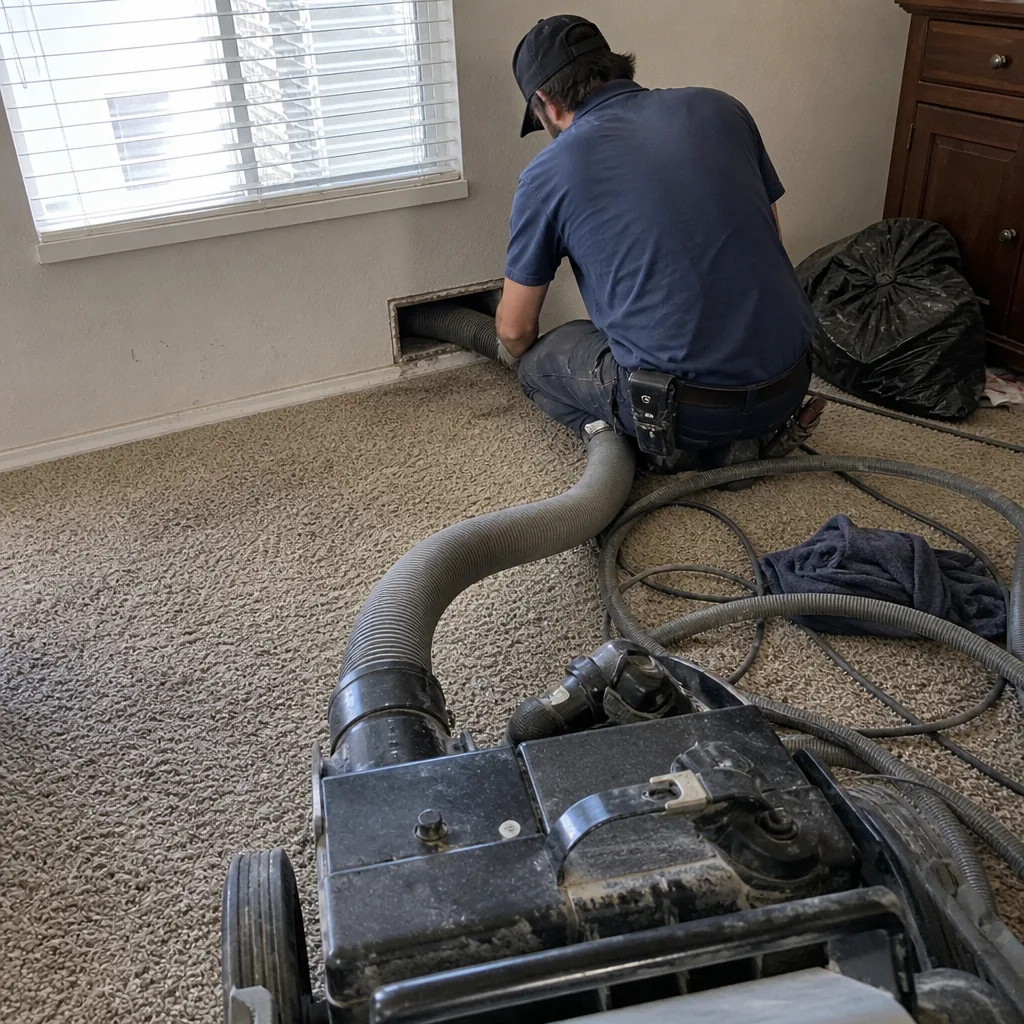 Before
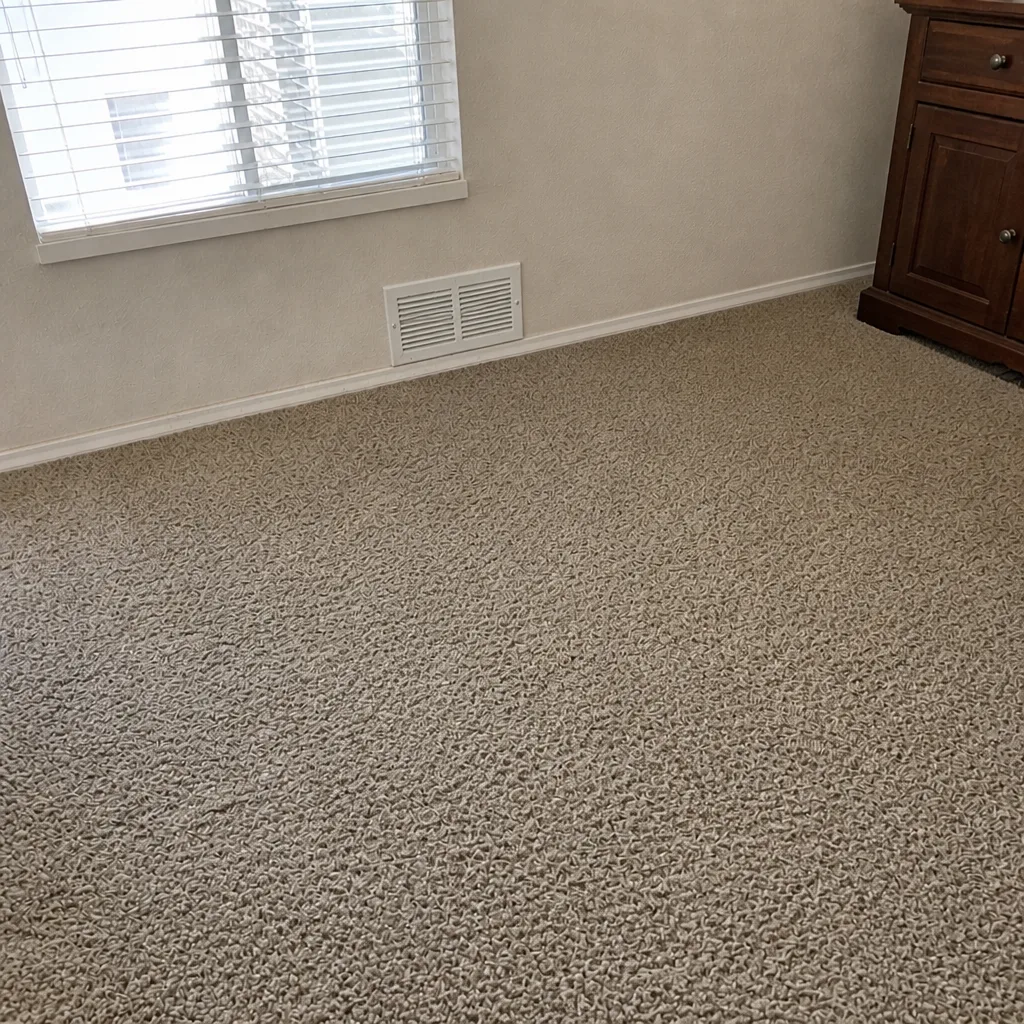 After
When to Call a Professional
Call a professional when the task is source removal, when the system shows signs of mold or pest activity, when there’s renovation dust or vermiculite near the ducts, or when someone in the home has a respiratory condition. Call us when you want an honest comparison of your system’s condition against the DIY work you’re already doing, or when a musty smell, uneven airflow, or rising dust in the house has you wondering whether cleaning is the answer. For the full scope of what we offer, from cleaning to sealing and sanitizing, see Taylorsville Air Duct Cleaning Pros. Taylorsville Air Duct Cleaning Pros offers free estimates in Taylorsville. Call (833) 468-5997. We answer 24/7. Fast dispatch from 7am to 7pm, Sunday through Friday.
Frequently Asked Questions
You can clean register covers, grille faces, and the first few inches inside each boot, but you can’t do source removal with a consumer vacuum. A shop vac moves about 80 CFM, while professional systems move 3,000 to 5,000 CFM, which is what carries loosened debris out of the system instead of leaving it in the run. For a real cleaning, you need the equipment. Call (833) 468-5997 for an exact quote, and estimates are free.
It’s priced per job by a free written estimate that accounts for your system size, duct layout, and condition, not by a per-vent figure, because per-vent pricing is exactly how bait-and-switch quotes get small on the phone and large on the invoice. We give you one flat price per system agreed before work starts, with before-and-after photos of your own ducts so you can see the outcome. Call (833) 468-5997 for an exact quote, and estimates are free.
Cheap quotes usually reflect a smaller scope than the price implies: a shop-vac pass at the registers, no source removal or negative pressure, and no inspection or sealing afterward. What looks like a bargain is often a surface job that leaves the system just as dirty inside. Ask what equipment is used and whether the system is put under negative pressure before any register is opened. Call (833) 468-5997 for an exact quote, and estimates are free.
Ask for the inspection before service and the before-and-after photos at the end. A proper cleaning starts with a camera look inside the system and ends with documentation: what was found, what was cleaned, and what was repaired. If a technician can’t show you the inside of your own ducts, you have no verification of anything. Call (833) 468-5997 for an exact quote, and estimates are free.
For most Taylorsville homes, every three to five years is a reasonable interval if you keep filters changed and the return path clear, and sooner after a renovation or if you’ve had mold, pest, or water issues. There’s no single number that fits every house, which is why an inspection is a better guide than a calendar rule. Call (833) 468-5997 for an exact quote, and estimates are free.
Yes, and it’s worth being honest about that. Filter changes, register cleaning, and dryer vent checks are genuinely valuable, and doing them doesn’t make a professional cleaning unnecessary; it makes it last longer. The combination works better than either alone. Call (833) 468-5997 for an exact quote, and estimates are free.
The Bottom Line
The DIY vs. professional question comes down to physics, not effort. Consumer vacuums can’t generate the suction volume needed for source removal, so DIY cleaning at the register is a surface job by design. That doesn’t make it worthless, and we’d rather you do the filter changes, register cleaning, and dryer vent checks that have real impact. It does mean that when your system needs the debris removed from the duct walls, when there’s visible mold or renovation dust or vermiculite nearby, or when someone in the home has a respiratory condition, the job belongs with professional equipment. The sequence matters too: inspection, containment, contact cleaning, repair where needed, and sanitizing after the cleaning, not instead of it. If you’re weighing the two, get a free written estimate and compare on real numbers.
Call (833) 468-5997 for a free estimate. We answer 24/7. Fast dispatch from 7am to 7pm, Sunday through Friday. Our technicians have up to 12 years of experience, and we’ll show you what’s in your ducts before we touch them.
Written by the team at Taylorsville Air Duct Cleaning Pros.