
Last updated November 23, 2026
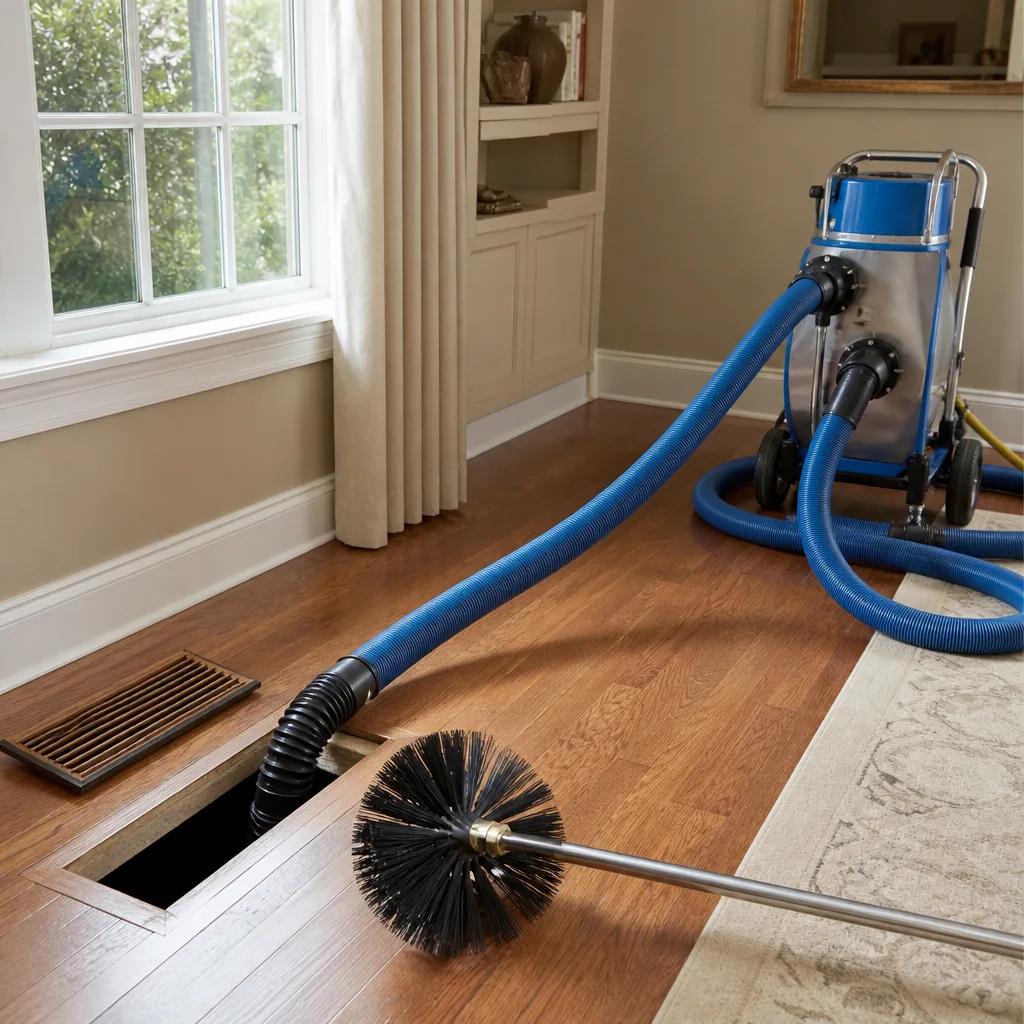 Whole-home duct cleaning
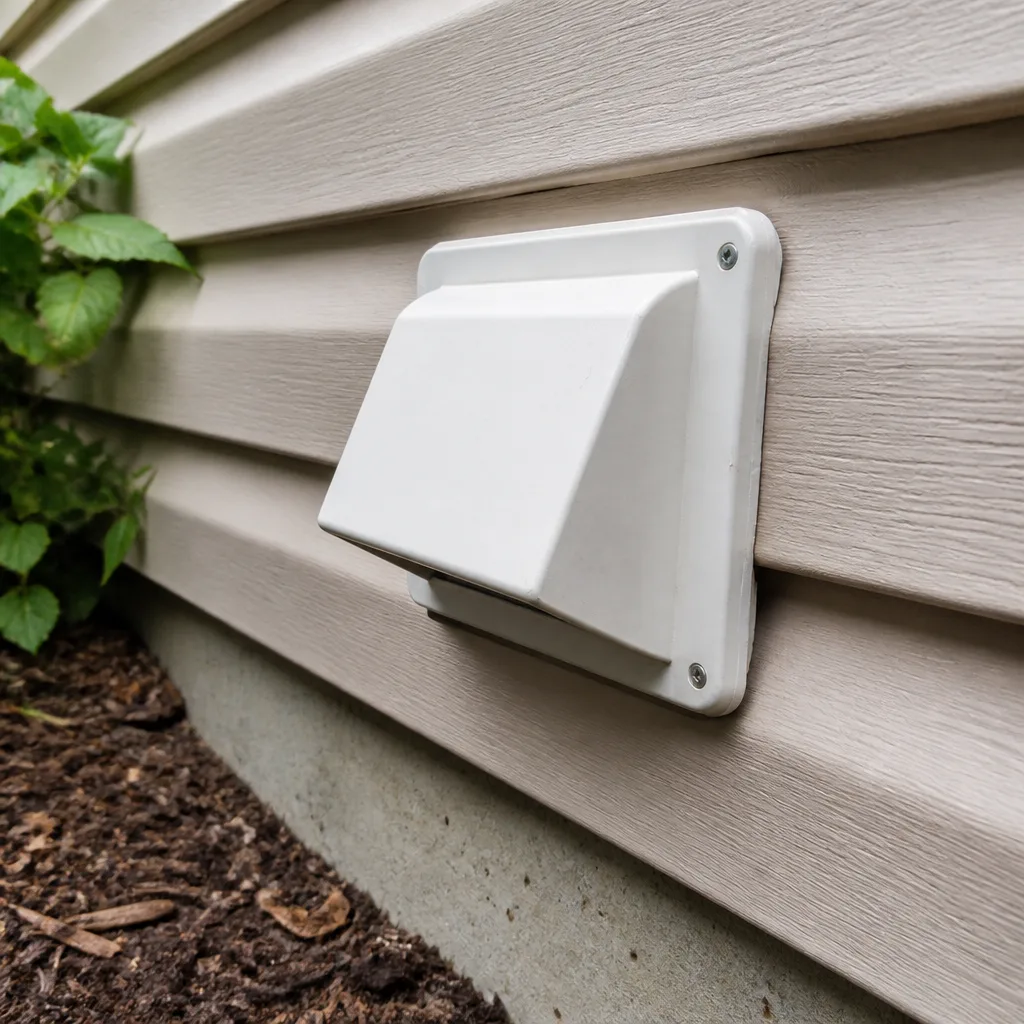 Dryer vent cleaning
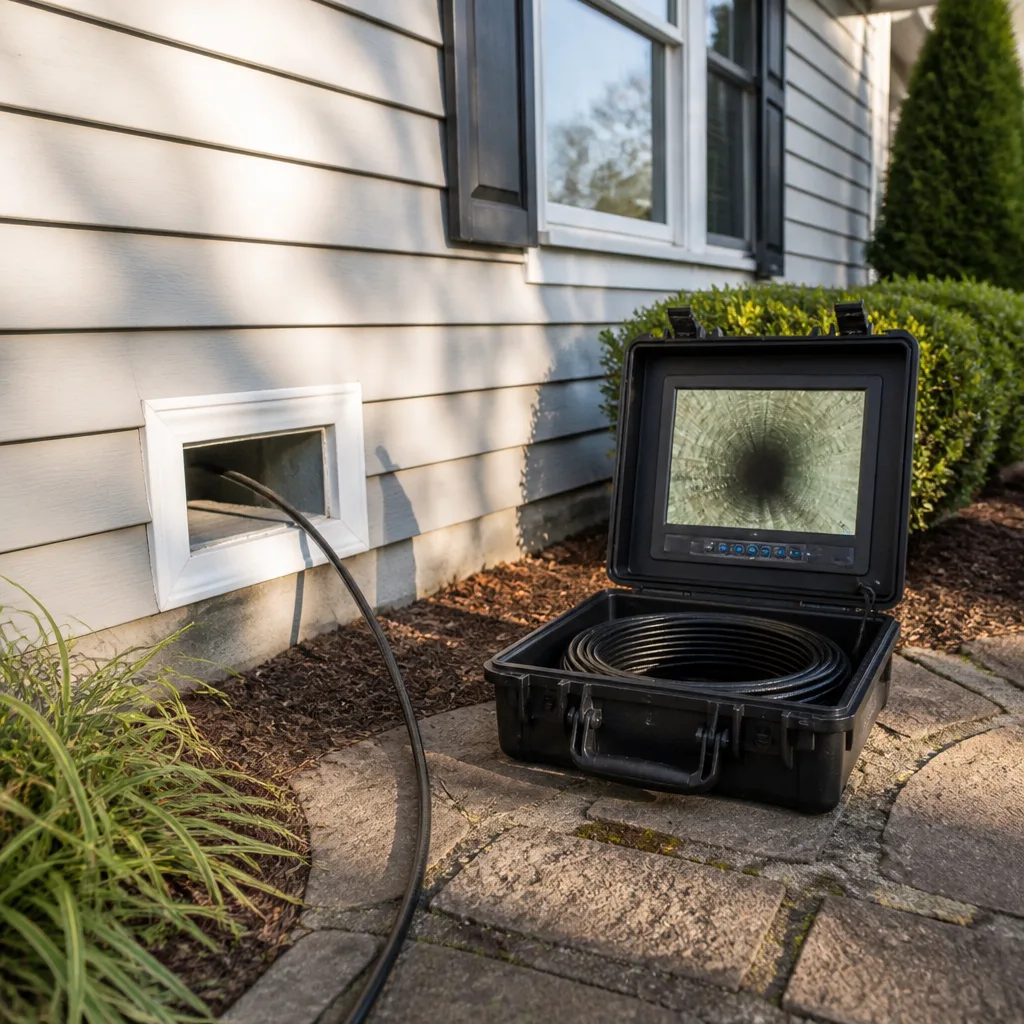 Camera inspection
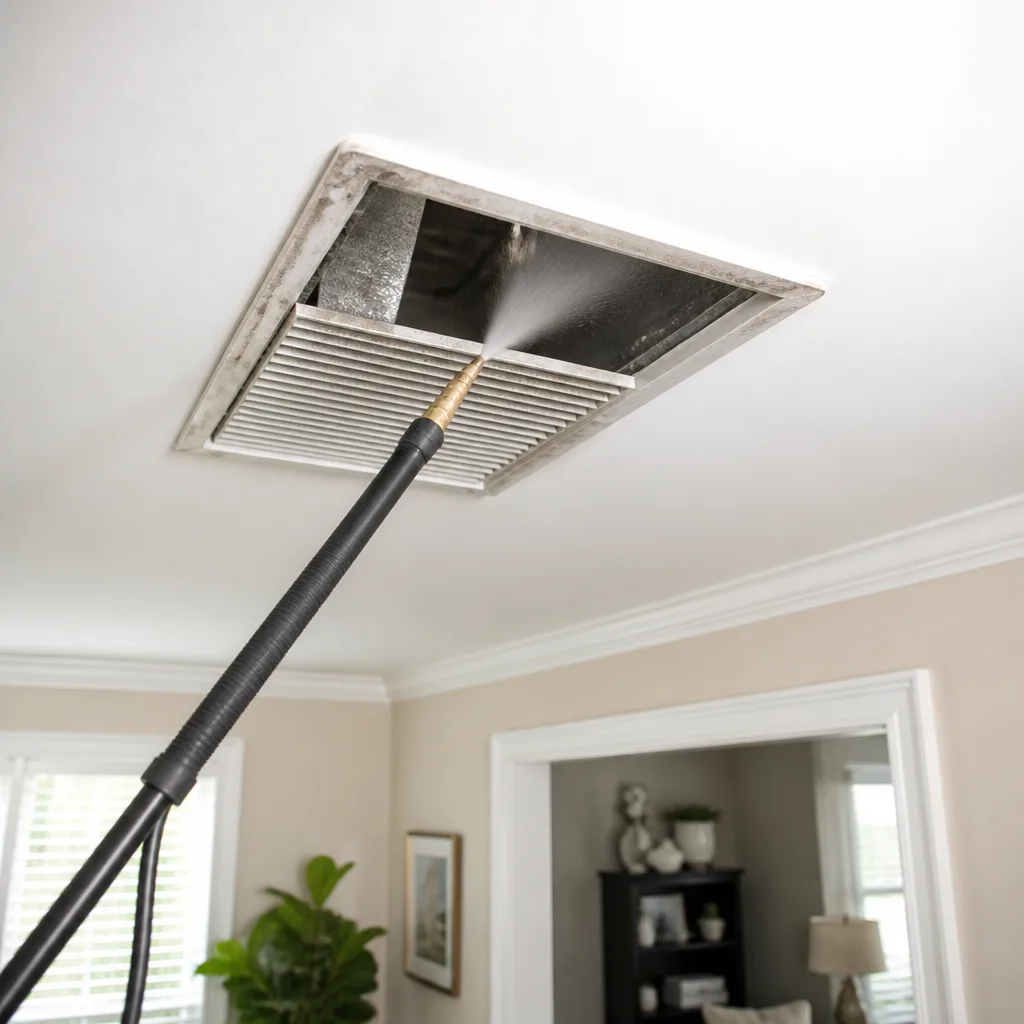 Sanitizing & deodorizing
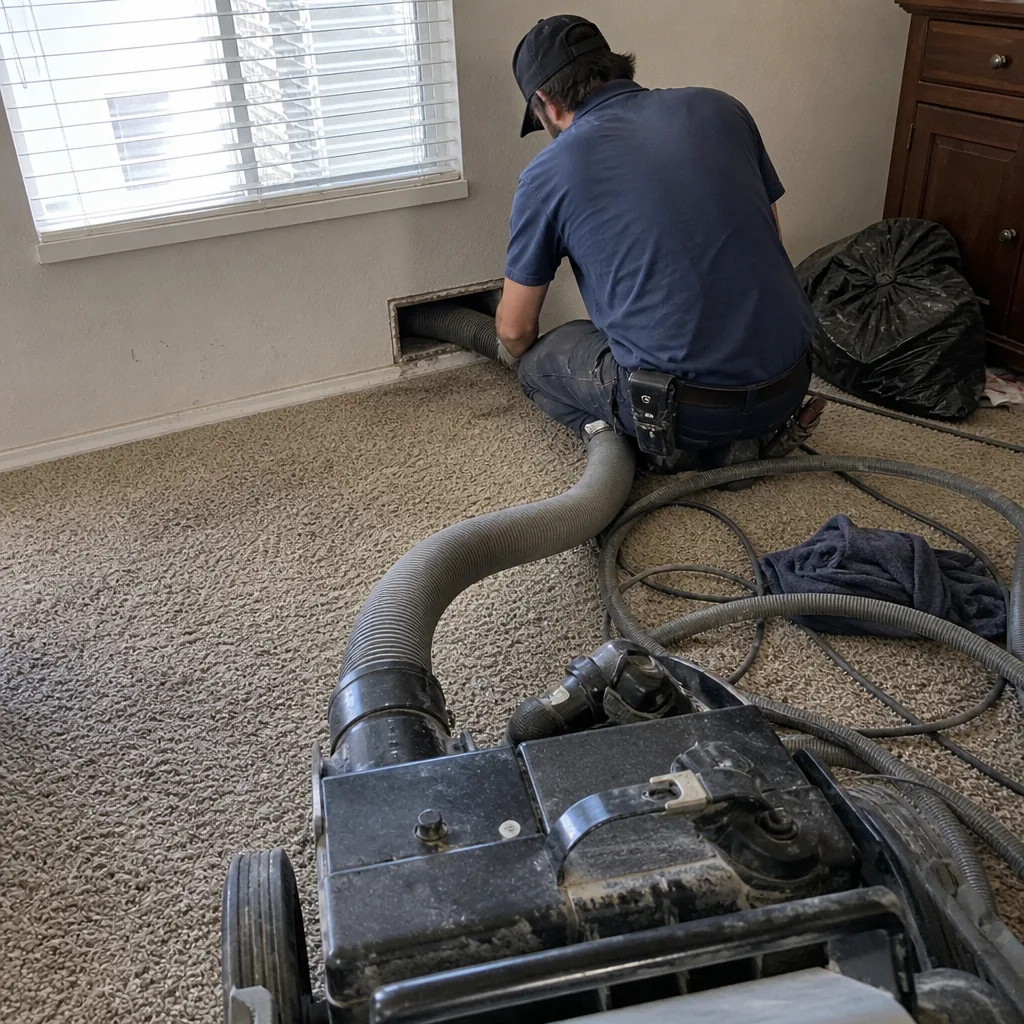
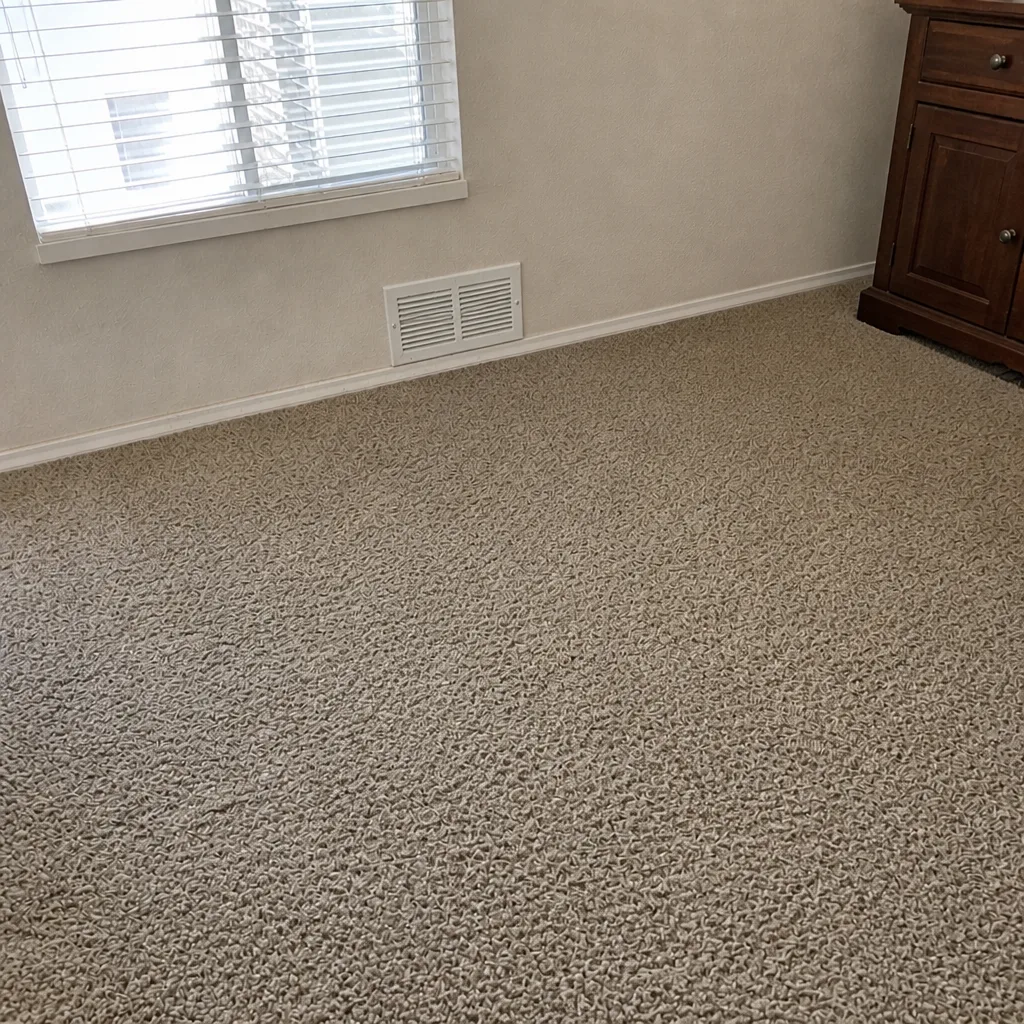
Whole-system duct and dryer vent check with before-and-after photos - you see exactly what came out of your vents
That "$99 whole-house special" is a bait ad - the real number appears once they are in your hallway, or the "clean" is a shop-vac at the register. We photograph the inside of your ducts before and after instead.
Seasonal Air Duct Cleaning Care for Taylorsville: Year-Round Homeowner’s Guide
The first time you run your furnace each fall, the heat exchanger burns off months of settled dust and pushes it through every room in minutes. Most homeowners treat that burnt-dust smell as a normal sign of the season. It isn’t. It’s a predictable event, and a pre-season cleaning eliminates it entirely before the first cold morning arrives. A single annual duct cleaning doesn’t fit Taylorsville’s climate, because each of our four seasons loads your duct system with a different mix of contaminants. This guide maps what actually accumulates in your ducts month by month and ties service and monitoring actions to each season’s real air-quality conditions in Taylorsville.
Quick Answer
Seasonal air duct cleaning in Taylorsville means matching your service timing to what each season puts into your ducts: cottonwood fiber and construction dust in spring, wildfire smoke in summer, re-ignited settled debris when the furnace kicks on in fall, and inversion-trapped particulate in winter. The highest-value single visit is a pre-heating-season cleaning in early fall, with monitoring checks through winter and spring rather than a fixed annual date. A rolling 12-month service calendar built around Utah’s climate does more for your indoor air than any generic “clean once a year” recommendation.
Styles & brands we work with
- Whole-home duct cleaning
- Dryer vent cleaning
- Camera inspection
- Sanitizing & deodorizing
Table of Contents
- Why Taylorsville Ducts Need a Seasonal Calendar, Not an Annual One
- Fall: The Highest-ROI Cleaning Window of the Year
- Winter: Managing Inversion Particulate Between Professional Visits
- Spring: Cottonwood Fiber and How to Spot Outdoor Infiltration
- Summer: How Wildfire Smoke Coats Duct Interiors
- Building Your Rolling 12-Month Service Calendar
- Signs Your Ducts Need Attention Now, Not Later
- Common Mistakes to Avoid
Why Taylorsville Ducts Need a Seasonal Calendar, Not an Annual One
A duct system doesn’t fill up at a steady rate. It collects whatever the air moving through it carries, and in Taylorsville that changes dramatically from one season to the next. The air your return system pulls in during a dusty spring lawn project is not the same air it pulls in during a winter inversion. Treating the two as if they load your ducts identically is the core mistake behind most wasted cleaning dollars.
Here’s the pattern we see in Taylorsville homes. Fall and spring are transition seasons where debris gets disturbed: the furnace starts, windows open, the yard work begins. Summer runs the air conditioner for weeks on end, recycling the same indoor air and letting fine particulate bond to duct walls. Winter traps outdoor pollution overhead and keeps windows shut, concentrating whatever is already inside. Each season has its own signature.
That’s why a generic “clean once a year” habit often lands at the wrong time. If you clean in early summer, you miss the fall furnace re-ignition. If you clean in late fall, you’ve already breathed that first dust burn-off. The point of a seasonal approach is to time the deep clean to the season that does the most good, and to run lighter monitoring actions in between.
- Deep clean: once per year, timed to the fall transition.
- Inspection: each season, to read the debris load before it becomes a problem.
- Monitoring: filter changes and airflow checks tied to seasonal conditions.
- Targeted work: repair, sealing, or sanitizing triggered by what inspection finds.
In our experience, the homes that feel the biggest difference aren’t the ones cleaned most often. They’re the ones cleaned at the right moment, with a professional process that actually removes compacted debris rather than just knocking loose dust off the surface. That’s the difference between an air duct cleaning that shows measurable results and one you can’t verify.
Fall: The Highest-ROI Cleaning Window of the Year
The single best time to clean your ducts in Taylorsville is the fall, before your furnace runs its first heating cycle. That’s the highest-return service timing on the calendar, and the reason is simple: everything summer put into your ducts is still sitting there, and the furnace is about to send it airborne.
Think about what happens during a summer of air-conditioning only. The furnace sits cold for weeks. Dust, pollen, and fine particulate settle on the interior surfaces of the supply and return runs, and on the furnace’s heat exchanger. When the thermostat calls for heat the first time, that heat exchanger gets hot, burns off the settled dust film, and the blower pushes the result through every vent in the house within minutes. That’s the burnt-dust smell. It’s a preventable event.
What accumulates during summer AC-only operation
- Fine particulate that passed through a loaded filter and bonded to duct walls.
- Pollen tracked in during the open-window months of late spring.
- Dust that settles on the furnace heat exchanger while it’s idle.
- Microbial growth in any run that stays cool and slightly damp (a common spot is the last run on a long supply trunk).
A pre-season cleaning with a rotary-brush system dislodges the compacted layer, and a HEPA-rated vacuum captures it before the furnace ever fires. We use Rotobrush rotary-brush equipment and Nikro HEPA vacuum platforms for exactly this reason: the brush dislodges, the vacuum captures, and Abatement Technologies air filtration keeps displaced particulate out of the living space while we work.
Why timing beats frequency
If you clean once a year, clean here. A fall cleaning clears the summer load and puts you into winter with a fresh system right when the furnace is doing the most work. A spring cleaning leaves the whole summer’s settling to run through your ducts before the next visit. Same service, different outcome, purely because of when it happens.
This is also the moment to consider whether “cleaning” alone is enough. If inspection finds gaps at joints or disconnected runs, you’re losing conditioned air before it reaches the room. That’s the case for HVAC cleaning paired with repair and sealing, done together so you’re not paying to clean a system that leaks.
Winter: Managing Inversion Particulate Between Professional Visits
Winter in the Salt Lake Valley brings inversion events, where cold air gets trapped under a warmer layer overhead and outdoor particulate concentrates near the ground for days. When that happens, most Taylorsville homeowners do the right thing: close the windows and run the furnace. The complication is that the furnace recirculates indoor air and pulls in whatever the return system carries, and a closed house has no fresh-air dilution working for it.
Indoor particulate load climbs during an inversion, and the duct system becomes the distribution network for it. The goal in winter isn’t another deep clean; it’s managing what’s between professional visits so the system can do its job.
What to do between visits during an inversion
- Change the filter on a tighter interval during inversion weeks. A filter that’s fine in fall loads faster when the furnace runs continuously and indoor particulate climbs. Check it, don’t guess.
- Run the furnace fan on continuous or circulate mode. Moving air through a clean filter keeps particulate out of the return path rather than letting it settle in the ducts.
- Skip the whole-house exhaust fan on inversion days. It pulls outdoor air in through every envelope gap, and that air is exactly what the inversion has concentrated.
- Watch for the smell test. If a room smells musty when the heat runs, that’s a sign of moisture or microbial buildup in a run, and it warrants an inspection rather than a filter change.
- Note uneven heating. A room that stays cold while others are warm in mid-winter often points to a blocked or leaking run, not a furnace problem.
Homeowners who want a longer-term handle on this can have air-quality components installed alongside the duct work. We install and service Honeywell and Aprilaire filtration and humidity components, which bridge the gap between a one-time cleaning and ongoing indoor air management. For anyone in Taylorsville dealing with a winter inversion, that’s the difference between reacting to a season and managing it.
One winter action does belong in your calendar regardless: check the clothes dryer vent. Winter is when lint buildup inside a long vent run becomes a fire concern, and it’s a job for dryer vent cleaning rather than a homeowner with a shop vac on a ladder.
Spring: Cottonwood Fiber and How to Spot Outdoor Infiltration
Spring in Taylorsville brings two things into your ducts that winter didn’t: cottonwood fiber and outdoor allergens. Cottonwood fluff is light enough to travel far in the wind and fine enough to pass a standard return grille. Once inside a return run, it clumps and mats against duct walls and on the blower wheel, and it does not clear itself out the way airborne dust does.
The other factor is construction dust. Spring is when a lot of home projects kick off, and any renovation, roof work, or addition near your home sends fine dust into the outdoor air that your return system can draw in. Outdoor allergen loads from grass and tree pollen rise at the same time. The question for any homeowner is whether their return system is actually pulling that outdoor load inside.
How to tell whether your returns are drawing outdoor air in
- Check the return grille near an exterior door. A return located close to a frequently opened exterior door or an attached garage will pull outdoor air every time the door opens.
- Look for dust trails at the grille frame during a windy week. Visible dust accumulation at a return grille in spring points to a draw that’s pulling outdoor particulate in.
- Check the return in a basement or crawlspace boundary. Any return that sits against an exterior wall or a space shared with unconditioned air is a common infiltration point.
- Watch for a dusty filter that loads much faster in spring than in winter. A filter that loads in three weeks instead of three months is telling you the return system is pulling more particulate than it should.
If any of those check out, the answer isn’t more frequent cleaning alone. It’s sealing. Infiltration at return duct joints is a root cause of air loss and continuous contamination, and it’s the reason we treat air duct cleaning as the start of the job rather than the whole job. When an inspection finds gaps, we repair and seal them so the next season’s load doesn’t repeat the last one.
Spring is also the right window for a sanitizing step in homes where the previous winter produced a musty smell. Cleaning removes the debris; sanitizing neutralizes the microbial buildup that the debris was feeding, and it’s the same equipment we use on every visit.
Summer: How Wildfire Smoke Coats Duct Interiors
Summer in Taylorsville brings wildfire smoke, and wildfire smoke is not the same contaminant as household dust. It carries ultrafine particles that behave differently once they enter a duct system: they stay airborne longer, they pass through standard filters more easily, and when they settle, they tend to deposit as a thin, sticky film rather than loose dust. That film bonds to duct walls and to the blower housing.
This matters because of how the film behaves over time. Loose dust can be knocked free by airflow. A bonded film cannot. It sits on the duct interior, and every time the system runs, some of it re-enters the air. That’s the mechanism behind the “cleaned it and nothing changed” complaint we hear from homeowners who used a low-cost vacuum-only service the summer before.
When a mid-year cleaning is warranted
- A smoke event lasted several days or longer and you ran the system with the windows closed throughout.
- You can smell smoke indoors when the air conditioning runs even after the outdoor smoke has cleared.
- The indoor air feels heavier than the outdoor air during a smoke event, or your filter loads much faster than normal.
- You’re already running a filtration component (Honeywell or Aprilaire) and it’s been through a heavy smoke season.
When those conditions align, a mid-year cleaning with a rotary-brush system and HEPA capture is the right call. The brush dislodges the bonded film, and the HEPA-rated vacuum captures the ultrafine particulate before it recirculates. Abatement Technologies air filtration runs during the service to keep the displaced particulate out of the living space.
When it isn’t
If you cleaned in the fall, had a normal summer with no meaningful smoke events, and your filter isn’t loading fast, wait for the fall cycle. Cleaning a lightly loaded system doesn’t produce measurable improvement and it doesn’t improve the next cleaning either. We’d rather tell a Taylorsville homeowner to wait than sell a visit that won’t do anything.
Building Your Rolling 12-Month Service Calendar
A rolling calendar built on Taylorsville’s climate beats any generic national recommendation, because national advice is written for an average that doesn’t exist in a specific place. Here’s the calendar we recommend to homeowners here.
Month-by-month schedule
- Early fall (September-October): the deep cleaning. Time it before the first heating cycle. This is the anchor event of the year.
- Late fall (November): filter change and inspection pass. Confirm air is flowing evenly to every room once heating is underway.
- Winter (December-February): filter checks on a tighter interval during inversion weeks. Note any musty smell or uneven heating for the next inspection.
- Early spring (March): inspect returns for outdoor infiltration. Check vent grilles and note any dust trails at return frames.
- Late spring (April-May): dryer vent cleaning if it hasn’t been done since the prior year. Freshen filters as pollen loads peak.
- Summer (June-August): monitor for smoke events. If a multi-day smoke event hits, plan a targeted cleaning once it clears.
- Any season: if inspection finds leaks, disconnected runs, or microbial growth, schedule repair and sealing or sanitizing at the next available slot.
That calendar results in one deep clean per year and one or two targeted services in a typical year. It also gives you a rolling inspection touchpoint each season, so a developing problem is caught at inspection rather than at the point of symptom.
How to adjust it for your home
- If you have pets: add a filter change to every season and expect the deep clean to pull more material.
- If you’re a property manager: run the deep clean between tenants, but keep the fall timing where possible so the heating system starts the season clean.
- If your home has a long supply run or conditioned-space returns: plan on inspection each season, since infiltration and condensation risk are higher.
- If you have a filtration component installed: align its service with the fall cleaning so the two are done together.
This is the planning frame we use in Taylorsville, and it’s the same one we use for property managers working across multiple units. The calendar is a starting point, not a rule, and the right adjustment is always informed by an inspection.
Signs Your Ducts Need Attention Now, Not Later
Between your calendar visits, the ducts themselves will tell you when something has changed. The signs below are what we look for during a Taylorsville inspection. If you notice any of them, the calendar can wait; get it checked.
- A musty or stale smell when the system runs. Usually points to moisture or microbial growth in a run, not to the furnace.
- Visible dust plumes from a supply vent when the heat first comes on. That’s accumulated material on the interior of the run.
- Uneven airflow between rooms that wasn’t there the season before. Often a partial blockage or a disconnected run.
- Filter loading much faster than usual for several weeks in a row. That’s the return system pulling more particulate than it should.
- Higher energy bills without a change in setting. Air loss from leaking ducts is a common cause, and it’s the kind of thing a cleaning alone won’t fix.
- Allergy-type symptoms that show up indoors and fade when you leave. Worth an inspection, not a guessing game.
Each of these is a real signal, and each one is worth an inspection rather than another filter change. The point of reading the signals early is to catch a developing problem before it becomes a symptom you’re living with all season.
Common Mistakes to Avoid
- Cleaning at the wrong time of year. Cleaning in early summer misses the fall furnace re-ignition entirely, and the whole point of the fall window is to get ahead of it.
- Assuming an annual cleaning means the same date every year. A Taylorsville calendar has to flex with smoke events and inversion weeks, and a fixed date every year will land wrong some seasons.
- Using a vacuum-only “blow and go” service. A consumer-grade shop vac and a blower aren’t the same as a rotary-brush system plus a HEPA-rated vacuum. Compacted material needs the brush to dislodge and the vacuum to capture.
- Skipping the inspection. Sealing and repair only get done when the inspection finds the problem. A cleaning without an inspection is a cleaning with blind spots.
- Treating a musty smell as a filter problem. A musty smell is a moisture or microbial signal inside a run, and a new filter won’t touch it.
- Running a whole-house exhaust fan during an inversion. On a high-particulate day, that fan pulls the outdoor air you’re trying to avoid into the house.
- Ignoring the dryer vent in winter. It’s the highest-safety-impact item on the winter checklist, and the coldest months are when it’s most often skipped.
See the difference
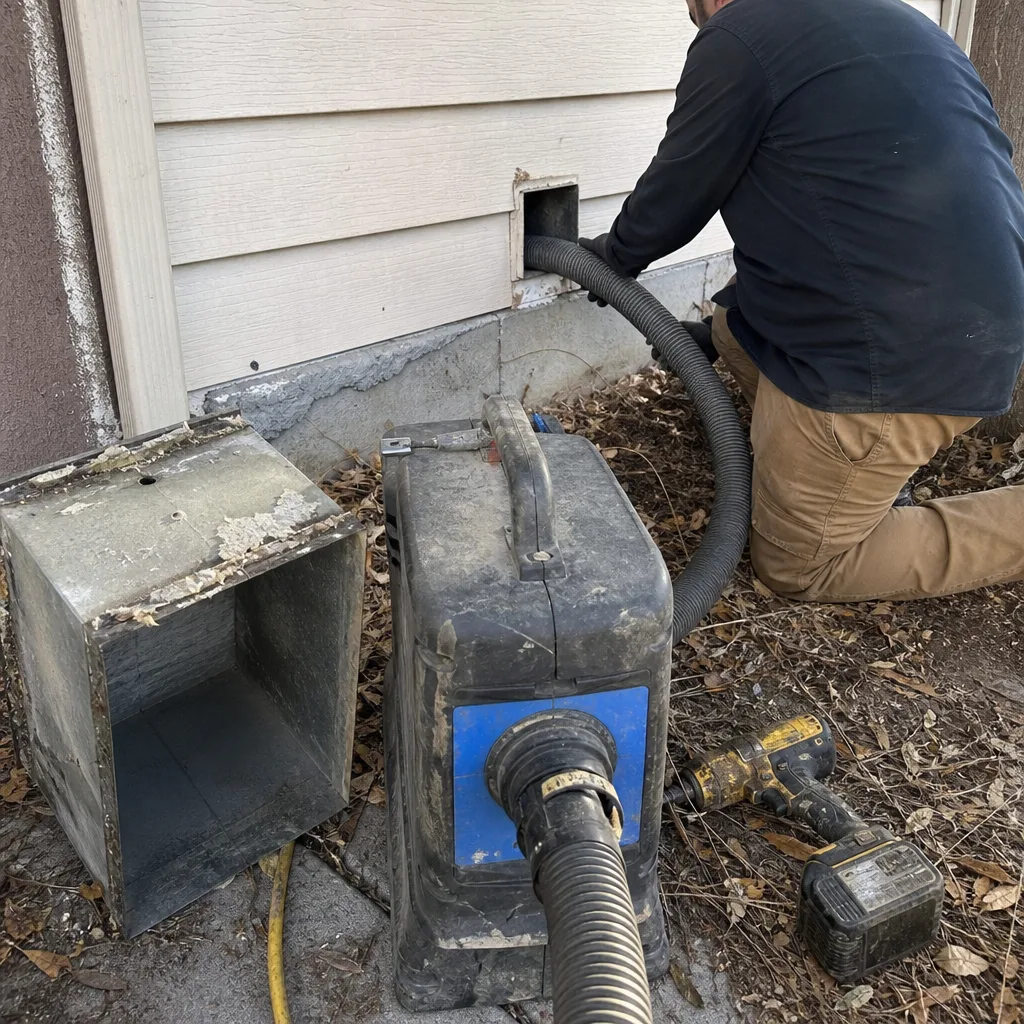 Before
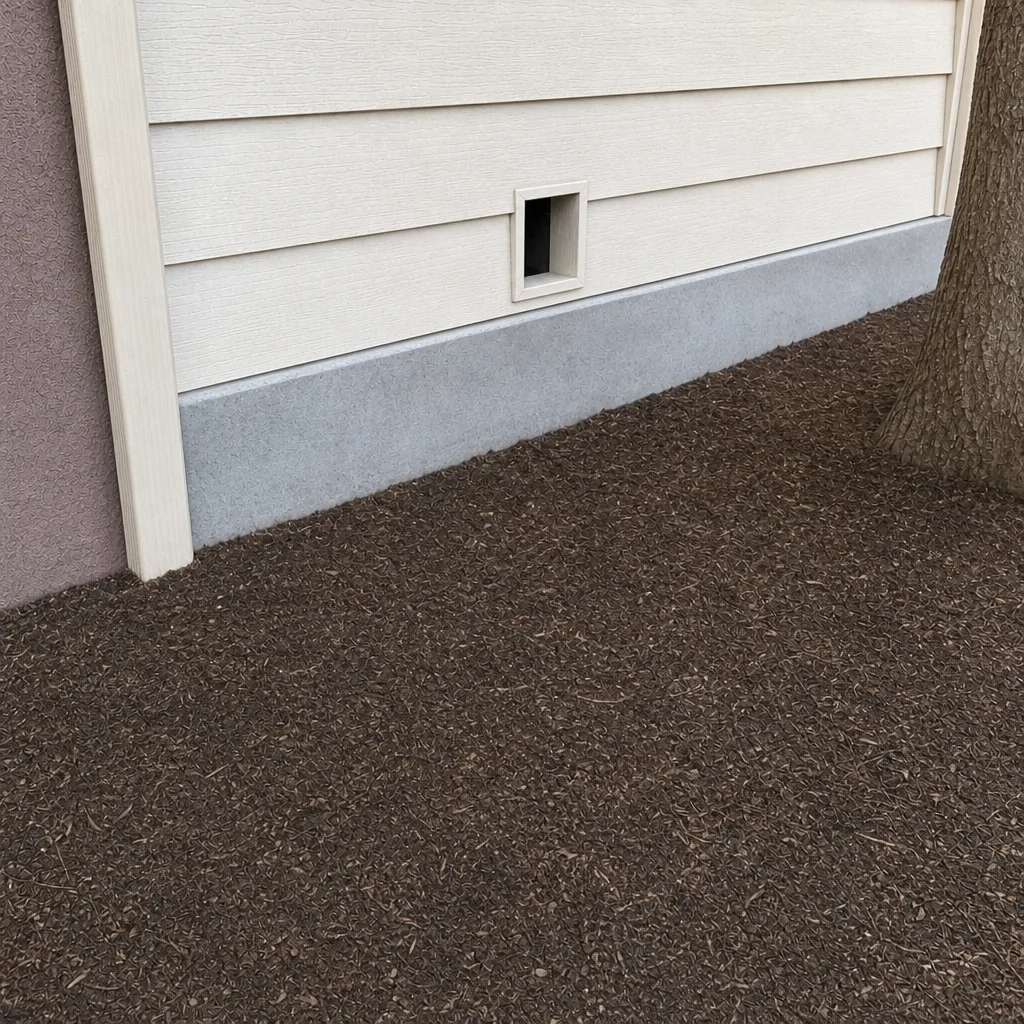 After
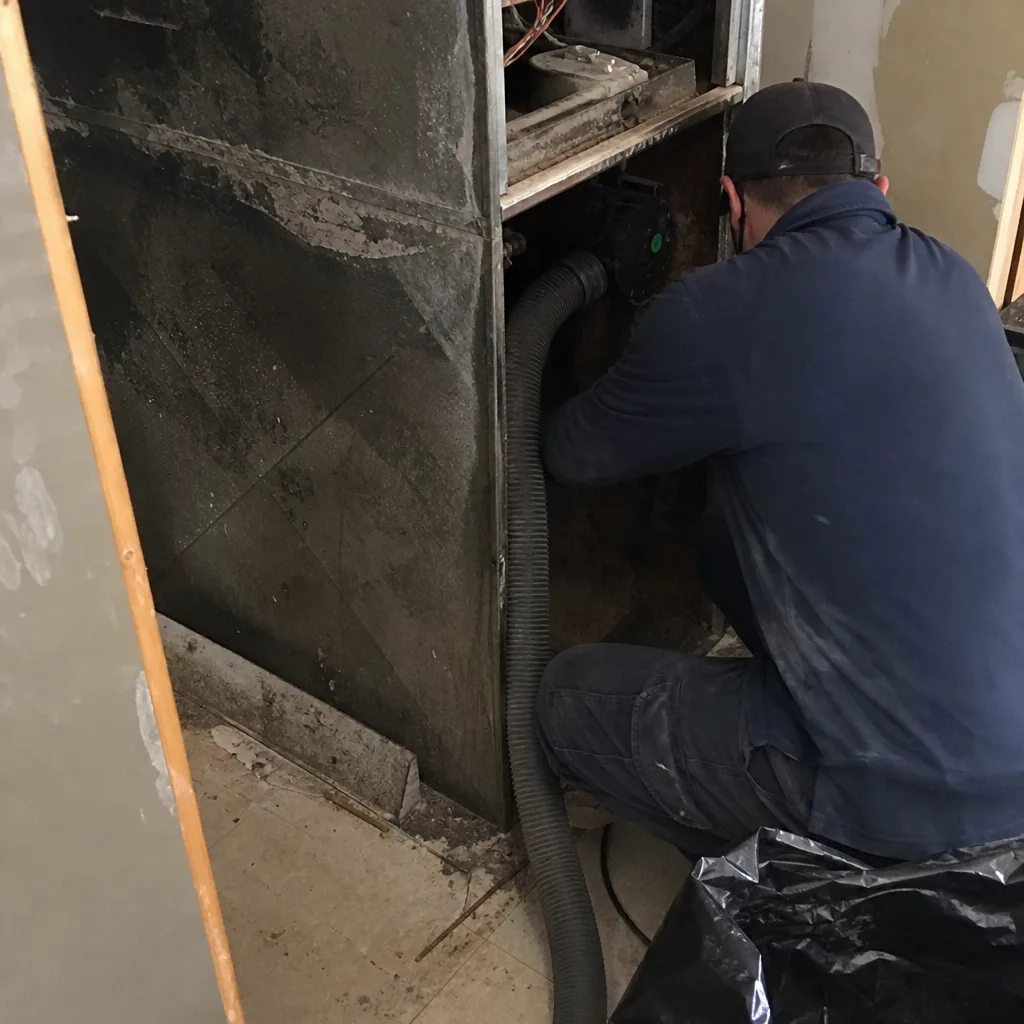 Before
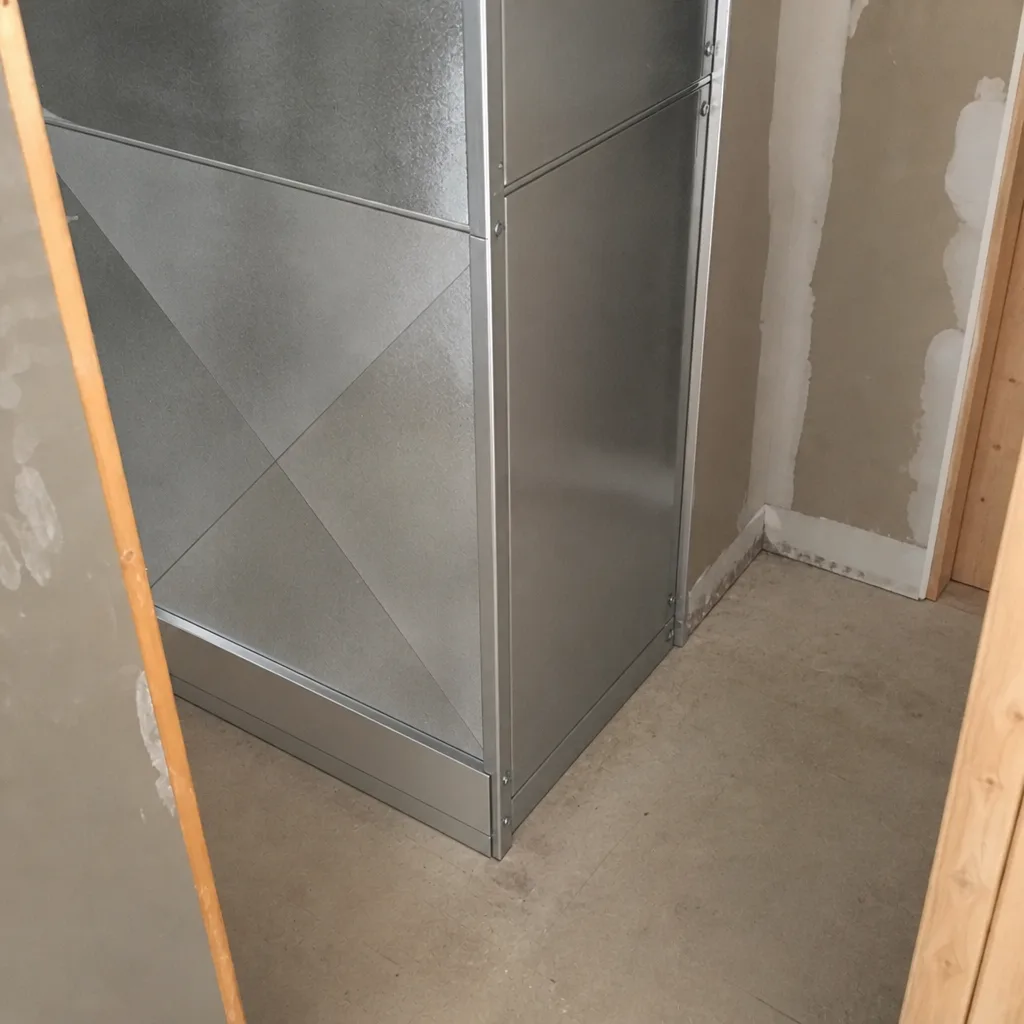 After
 Before
 After
When to Call a Professional
Call a professional when you notice a musty smell that won’t clear, when airflow to a room drops, when the first heating cycle sends visible dust plumes into a room, or when a filter loads far faster than it used to. Call when a multi-day smoke event has passed and your indoor air still smells like smoke. Call when your home inspector flagged the duct system during a purchase. Call when you’re a property manager and a tenant complaint is about air quality rather than airflow. And call when you want the seasonal calendar built for your specific building rather than a generic list. Our technicians have up to 12 years of experience with the seasonal patterns that matter in Taylorsville. Taylorsville Air Duct Cleaning Pros offers free estimates in Taylorsville, and the price is set per job by the written estimate: call (833) 468-5997.
Frequently Asked Questions
Once per year for the deep clean, timed to early fall before the first heating cycle, plus targeted work when a specific event warrants it (a smoke event, an infiltration finding, or a musty smell). A single annual clean on a fixed date is the generic answer; the fall-timed clean plus seasonal inspections is the answer that fits Taylorsville’s climate. Call (833) 468-5997 for an exact quote on a calendar built for your home – estimates are free.
Fall is the highest-ROI window because everything summer’s air-conditioning-only operation settled is still sitting in your ducts, and the furnace is about to send it airborne on the first heating cycle. A pre-season clean clears that load before it enters your living space. Spring is a good time for inspection and for checking infiltration, but it doesn’t clear the same load. Call (833) 468-5997 for an exact quote – estimates are free.
Cheaper quotes are usually a vacuum-only service with consumer-grade equipment, and the work often can’t be verified after the fact. A professional-grade job uses a rotary-brush system to dislodge compacted debris and a HEPA-rated vacuum to capture it, with the process documented. Our pricing is one flat price per system, agreed before work starts, with before-and-after photos of your own ducts so you can see the work was done. Call (833) 468-5997 for an exact quote – estimates are free.
Ask for before-and-after photos of your own ducts and for the inspection findings that came out of the visit. Any sealing or repair work should be documented separately from the cleaning. When a provider can’t show you the interior of your own system before and after, you have no way to verify the work. Call (833) 468-5997 to book a service with before-and-after documentation – estimates are free.
Pricing is per job, and the written estimate sets the final price for your specific system. We don’t quote a per-vent price or a teaser coupon figure, because that’s how a low sticker price turns into a much larger invoice once a technician is on site. The estimate is free and the price is agreed before work starts. Call (833) 468-5997 for an exact quote – estimates are free.
Change the filter on a tighter interval, run the furnace fan on continuous or circulate mode through a clean filter, and skip the whole-house exhaust fan on high-particulate days. Also note any musty smell or uneven heating for the next inspection, because those are signals that need a professional look rather than a filter change. Call (833) 468-5997 to schedule an inspection – estimates are free.
The Bottom Line
Taylorsville’s four seasons each load your ducts with a different contaminant, and a single fixed-date annual cleaning doesn’t fit that reality. Deep clean in early fall, before the first heating cycle, to clear the summer load and eliminate the dust burn-off. Monitor and change filters through winter’s inversion weeks. Inspect for outdoor infiltration in spring. Watch for smoke events in summer and clean when the event warrants it. Pair any cleaning with an inspection, so leaks and microbial growth get caught and fixed rather than cleaned around. That calendar, not the frequency, is what produces air quality you can measure rather than just feel.
If you’re ready to build a calendar for your home, or you’re a property manager looking to set one up across units, call (833) 468-5997 for a free estimate. We answer 24/7. Fast dispatch from 7am to 7pm, Sunday through Friday. One flat price per system, agreed before work starts, with before-and-after photos of your own ducts.
You can also start with our Taylorsville Air Duct Cleaning Pros home page to see the full range of services, or read our guide to HVAC cleaning to see how the seasonal approach extends to your furnace and air handler.
Written by the team at Taylorsville Air Duct Cleaning Pros.