
Last updated November 23, 2026
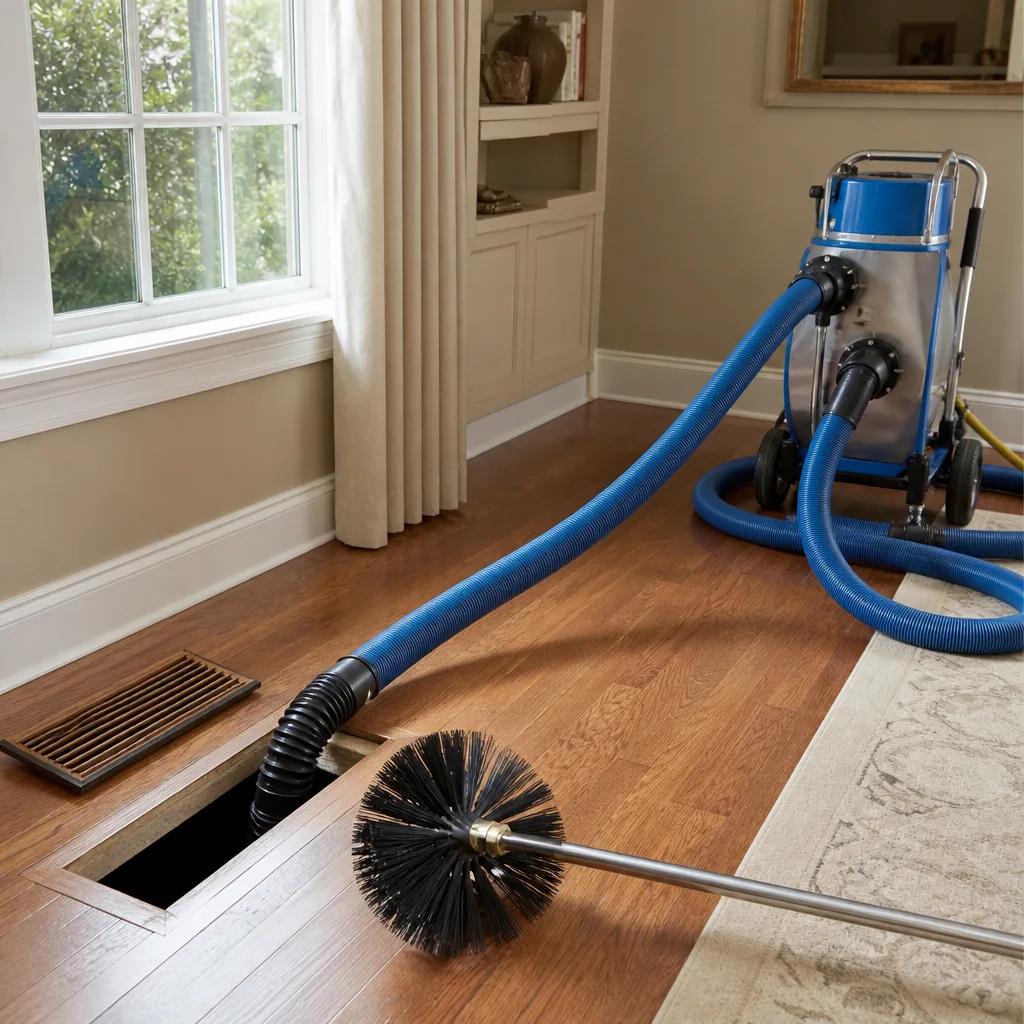 Whole-home duct cleaning
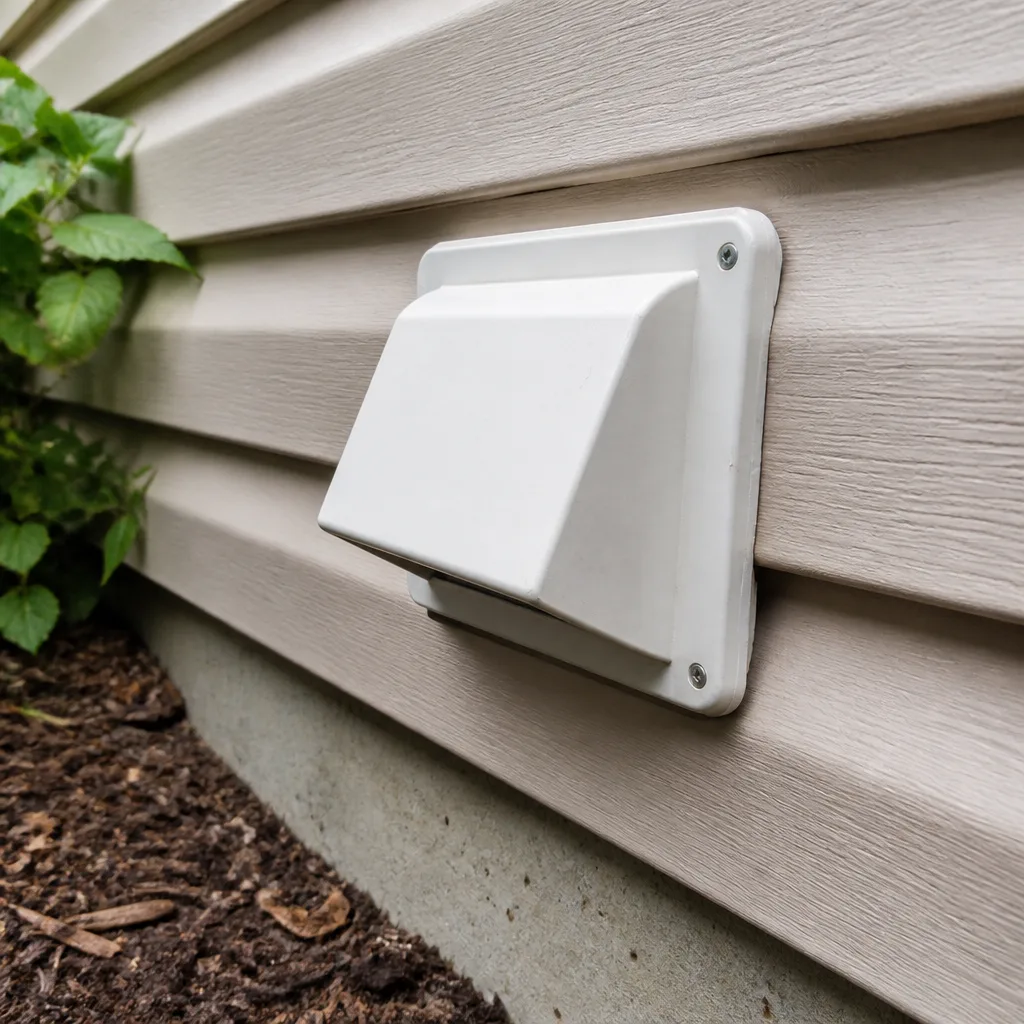 Dryer vent cleaning
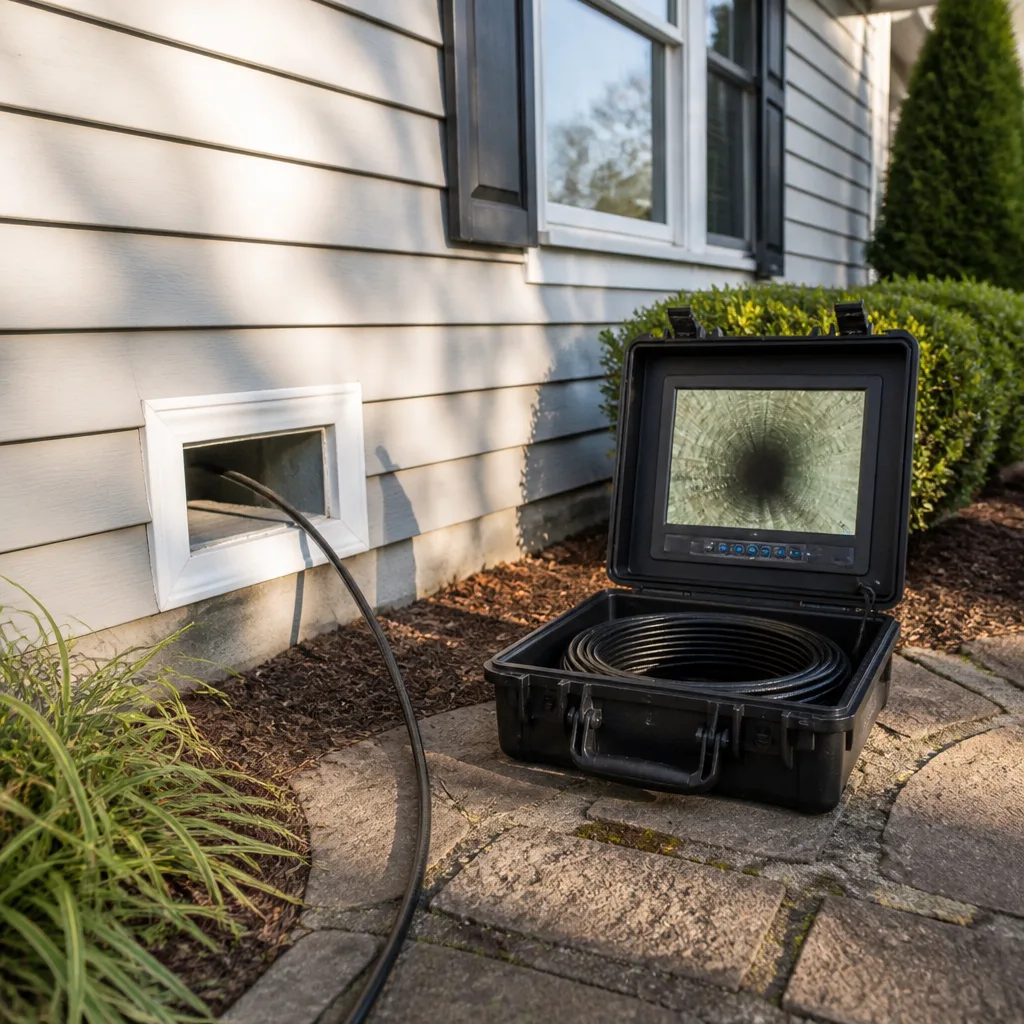 Camera inspection
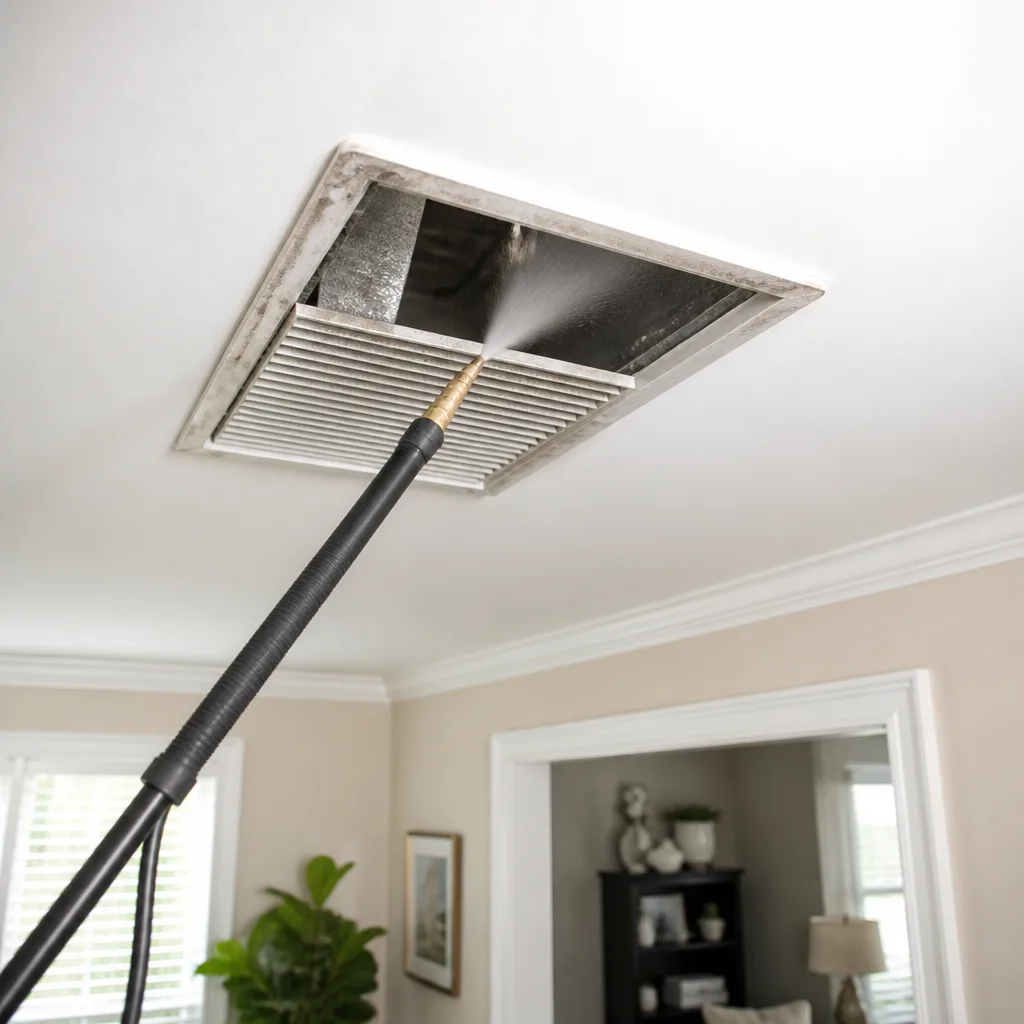 Sanitizing & deodorizing
Whole-system duct and dryer vent check with before-and-after photos - you see exactly what came out of your vents
That "$99 whole-house special" is a bait ad - the real number appears once they are in your hallway, or the "clean" is a shop-vac at the register. We photograph the inside of your ducts before and after instead.
Air Duct Cleaning Emergency Preparedness Guide for Taylorsville Homes
Most Taylorsville households have a fire extinguisher, a flashlight, and a plan for the power going out. Almost none have a plan for what happens to their ductwork after a wildfire, a burst pipe, or an earthquake. That gap matters here. When the Marshall Fire swept through Boulder County, Colorado, hundreds of homeowners learned that the smoke compounds their ducts absorbed kept off-gassing for months afterward, and no one had told them to prepare for it. We wrote this guide so Taylorsville families and property managers can treat duct system emergencies as a real preparedness category, not an afterthought. You’ll learn what to do in the first hours, which cleaning methods actually neutralize smoke and mold, how to document contamination for an insurance claim, and what to record before anything ever goes wrong.
Quick Answer
Duct system emergencies in Taylorsville fall into three categories: wildfire smoke infiltration, flood or moisture-driven mold inside the ductwork, and seismic damage that cracks rigid duct connections near the air handler. The single most important first step after any of these is to shut the HVAC system off completely, because running the fan to “clear the air” pushes contamination through every room in the house. From there, the response depends on the event: targeted smoke decontamination, full moisture remediation and sanitizing, or a duct inspection and repair before the system is used again.
Styles & brands we work with
- Whole-home duct cleaning
- Dryer vent cleaning
- Camera inspection
- Sanitizing & deodorizing
Table of Contents
- The Three Duct Emergencies That Hit Taylorsville Homes
- Why the First Move Is Always to Shut the System Off
- Smoke Contamination Is Not Dust Contamination
- Flood and Moisture Intrusion: The Mold Timeline
- Seismic Damage and the Air Handler Connections
- Documenting Duct Contamination for an Insurance Claim
- Pre-Event Preparedness: What to Record Now
- What Emergency Duct Response Costs in Taylorsville
The Three Duct Emergencies That Hit Taylorsville Homes
Taylorsville sits in the Salt Lake Valley, and that geography shapes the risk profile. Summer wildfire smoke drifts into the valley and lingers against the Wasatch Range. Winter produces the occasional frozen and burst pipe. And the Wasatch Front is earthquake country, which means the rigid connections between duct sections near the furnace and air handler are vulnerable during any significant ground movement. These are the three events we see most often prompt a duct emergency call from Taylorsville homeowners.
- Wildfire smoke infiltration. Fine smoke particles and the volatile organic compounds that give smoke its smell enter through the fresh-air intake, return grilles, and any gap in the duct joints. The contamination settles on duct walls and off-gasses for weeks or months.
- Flood and moisture intrusion. A supply line failure, an overflowing appliance, or a roof leak that reaches the ceiling cavity where ducts run can leave standing water inside the ductwork. Mold can begin colonizing a wet return plenum quickly, well before a homeowner notices a musty smell.
- Seismic damage. During an earthquake, the duct system flexes at its rigid points. Joints can separate, seams can crack, and the connections at the air handler can pull apart, which lets exhaust gases, attic dust, and insulation fibers enter the airstream.
Each of these needs a different response, and treating them all with the same basic vacuuming is one of the most common mistakes we run into in Taylorsville. Our Taylorsville Air Duct Cleaning Pros team breaks each one down in the sections below.
Why the First Move Is Always to Shut the System Off
Turn the HVAC system off at the thermostat the moment you suspect duct contamination. Do not run the fan, do not switch the system to “fan only,” and do not try to push air through the house to “clear it out.” A central air system is designed to move air through every connected room; if the ducts are contaminated, running the system is the fastest way to distribute that contamination to every register in the home.
Here’s the sequence we recommend for the first hours after a wildfire smoke event, a flood, or an earthquake that you suspect has affected the ductwork:
- Shut off the HVAC at the thermostat. If you have a smart thermostat tied to an app, disable any scheduled fan operation.
- Close the fresh-air intake if you can reach it safely. This limits further smoke or particulate entry.
- Take photographs before you touch anything. Photograph the thermostat setting, any visible soot on grilles, any standing water, and the air handler area if you can reach it without risk.
- Keep pets and family away from return grilles. Returns pull stronger than supplies and can draw settled contamination back into the air if there’s any residual airflow.
- Call a duct professional for an inspection before you turn the system back on. Testing airflow and visual inspection will reveal whether the ducts need cleaning, sanitizing, or repair and resealing.
If the event affected electrical service or a gas appliance, do not attempt to inspect the furnace or air handler yourself. Gas lines and electrical panels are hazardous, and both should be checked by a trained professional before any duct work begins.
Smoke Contamination Is Not Dust Contamination
Wildfire smoke leaves a chemical residue in ducts, and vacuuming alone does not remove it. Dust is particulate; it comes out with a rotary brush and HEPA extraction. Smoke is both particulate and a chemical deposit. That’s why the cleaning chemistry and process for smoke differ from a standard duct cleaning, and why many general cleaning providers aren’t equipped to do it correctly.
A smoke-contamination response needs three elements that a routine cleaning doesn’t include:
- Agitation to break the smoke residue off the duct wall. We use Rotobrush rotary-brush systems to dislodge smoke film, soot particles, and adhered residue from duct walls rather than relying on air pressure alone.
- HEPA-rated capture at the source. Nikro HEPA vacuum equipment traps the fine particulate that a shop vac would simply exhaust back into the room. Fine smoke particles are the ones that stay suspended longest and reach deepest into the lungs.
- Post-cleaning sanitizing. After the particulate is removed, a sanitizing stage neutralizes microbial growth and residual odor compounds. Guardsman-line protective treatments can be applied as part of that sanitizing step.
We also deploy Abatement Technologies air-filtration equipment during smoke remediation to filter displaced particulates in real time. Without that filtration, a remediation job in a Taylorsville home would be pushing contaminated air through the room while it cleans. Professional-grade equipment, every job, is the only standard we work to in these situations. If you’re looking for a baseline of what a standard service covers, our air duct cleaning page explains the routine process; smoke remediation is a longer and more involved job.
Flood and Moisture Intrusion: The Mold Timeline
Water inside a duct system is a mold problem on a clock. Once ductwork stays wet, mold can colonize the porous surfaces inside the plenum and duct lining, and it will keep spreading with every air cycle until the moisture is eliminated and the affected surfaces are cleaned and treated. A homeowner who notices a musty smell from any register should assume there is moisture somewhere in the system until a professional inspection proves otherwise.
- Stop the water source and shut off the HVAC. If the water came from a plumbing failure, call a plumber first. If the water came from an appliance, shut its water supply.
- Remove any standing water you can safely reach. Do not pull up flooring or open duct access panels yourself; leave that to the duct professional.
- Call for an inspection. An inspection looks for moisture in the plenum, condensation issues, damaged duct insulation, and visible mold growth.
- Clean, then sanitize. Once the system is dry, the duct interior is deep-cleaned with rotary brush and HEPA vacuum equipment, then treated with a sanitizing product to neutralize any biological growth.
- Repair and reseal any water-damaged duct sections. Water softens duct board and corrodes metal connections. If a joint or seam is compromised, cleaning it is not enough.
If you have a Honeywell or Aprilaire humidity-control component installed in a Taylorsville home, include the humidifier and any inline filter housing in the moisture inspection. Those components can hold standing water and become a mold source of their own.
Seismic Damage and the Air Handler Connections
A seismic event is the emergency most Taylorsville homeowners are least prepared for on the duct side. The duct system is tied to the air handler, and the air handler is tied to the furnace and to gas connections. During ground movement, the rigid metal transitions between the duct trunk and the air handler can separate before anything else does. A separated connection near a gas furnace is not a cleaning problem; it is a safety problem.
After an earthquake in Taylorsville, the safety sequence is clear:
- Shut the HVAC system off at the thermostat before using the furnace again.
- If you smell gas or hear hissing from the furnace, leave the house and call your gas utility from outside. Do not try to shut the gas off yourself if you can’t reach the valve safely.
- Do not inspect the air handler cabinet or duct connections yourself, even if the damage appears minor.
- Call for a duct inspection and repair. A separated duct connection can pull exhaust gases, attic insulation fibers, or crawlspace dust back into the living space of your home.
We treat Duct Repair & Sealing as an integrated service, not an upsell. When an inspection finds a cracked joint or a pulled connection, cleaning that joint does nothing. It has to be repaired and resealed before the system is put back into service, and our team addresses both in the same visit where we can.
Documenting Duct Contamination for an Insurance Claim
Homeowners insurance claims for duct contamination live or die on documentation. The adjuster needs to see what happened, how it happened, and what it cost to remediate. A duct cleaning receipt alone is rarely enough. The photos and records you collect in the first day are what make the claim clean.
Take these photographs before anything gets cleaned:
- Every return and supply grille in the home, close enough to show soot, water staining, or dust accumulation.
- The thermostat reading and the system’s on/off state.
- Any visible water, soot, ash, or debris near the furnace and air handler.
- Any torn or separated duct connections you can safely observe.
- The exterior damage or the source of intrusion (a broken pipe, a damaged roof, nearby fire evidence).
The order of professionals matters too. For a smoke event, a public adjuster or your insurer’s claim line comes after the fire department has cleared the property, but before any cleaning. For a flood, the plumber and a water-damage remediation company come first, then the duct professional. For seismic damage, a structural and gas safety inspection comes before anyone works on the duct system. A written inspection report from a duct professional is one of the most effective claim documents you can supply; it converts a vague “everything smells like smoke” complaint into a dated, photographed, itemized record.
Pre-Event Preparedness: What to Record Now
The single best way to make a duct emergency faster and an insurance claim cleaner is to document the system before anything happens. We recommend every Taylorsville homeowner or property manager do this now, in a quiet hour, and store the record somewhere you’ll find it later, such as in a cloud folder or a labeled envelope with your insurance documents.
- Count the registers. Walk through every room and count returns and supplies. Write down the totals and note any rooms with multiple or unusual configurations.
- Sketch a layout map. A rough sketch of where each duct run goes, where the air handler sits, and which rooms share a return is enough. It saves significant time during a post-event inspection.
- Record the last service date. Write down the date and provider of the last air duct cleaning, dryer vent clearing, or HVAC cleaning. Insurance adjusters treat a documented maintenance history differently from no history at all.
- Photograph the system as it looks normally. Clean grilles, the air handler cabinet, filter size, and the thermostat setting. Any post-event photo is only as useful as the “before” photo you can compare it to.
- Note the model numbers of any air-quality components. If you have Honeywell and Aprilaire products installed, keep their manuals with your household records so a professional knows what’s in the system.
- Keep your filter stock. A spare filter stored in the home lets you swap immediately after a smoke event.
None of this takes more than an hour, and it transforms the post-emergency experience. If you’d rather have a professional document your system the first time, our HVAC cleaning service includes an inspection that records the system layout and condition in a written report. It’s the kind of file that gets pulled out on a bad day.
What Emergency Duct Response Costs in Taylorsville
Post-event duct remediation is a larger job than a routine cleaning, and that’s reflected in the price. Because the Taylorsville market varies by system size, duct runs, and event severity, the following ranges are typical estimates. Your written estimate sets the final price after an inspection.
- Standard air duct cleaning (routine, whole system): typically around $300 – $600 for a typical single-family home, depending on register count and accessibility.
- Smoke remediation with sanitizing: typically around $600 – $1,200, because the job includes rotary-brush agitation, HEPA capture, and a post-cleaning sanitizing stage with Guardsman-line treatment.
- Moisture/mold remediation and sanitizing: typically around $800 – $1,500, depending on how much of the duct run is affected and whether an air-quality component like a humidifier is also affected.
- Duct repair and resealing: typically quoted per job after inspection, because the range depends entirely on how many joints, seams, or transitions are compromised.
- Dryer vent clearing: typically around $99 – $180 as part of a broader service; a separate visit is quoted separately.
We hold to one flat price per system, agreed before any work begins. No per-vent pricing, no coupons that balloon into a bigger invoice once we’re on site. If a job changes once we’re in the system, you’ll hear it from us before we do anything about it. For a free estimate, call (833) 468-5997. We answer 24/7. Fast dispatch from 7am to 7pm, Sunday through Friday.
Common Mistakes to Avoid
- Running the system to “clear the air.” This is the single biggest mistake after a smoke event. Running the fan pushes contamination through every room. Shut the system off and leave it off until a professional has inspected it.
- Using a shop vac on visible grilles or registers. A shop vac exhausts fine particulate back into the room and doesn’t address what’s adhered to the duct walls. Professional HEPA capture at the source is the standard for any real remediation.
- Calling a general cleaning company for smoke remediation. Standard duct cleaning dislodges dust; smoke remediation requires a different process, chemistry, and in many cases a full sanitizing stage. Ask what equipment the company is bringing before you book.
- Skipping the inspection after an earthquake. A separated duct joint near a gas furnace can pull exhaust into the living space. If you felt significant shaking, get an inspection before you use the furnace.
- Waiting on a musty smell after a flood. Musty smells indicate mold, and mold in the ductwork spreads with every cycle. A moisture inspection right after the plumber’s visit saves money and limits the scope of the eventual job.
- Filing an insurance claim without photos. Any duct contamination claim needs dated photos of the grilles, the air handler, and the source. Once the cleaning crew has run, the evidence is gone.
- Neglecting the dryer vent during a broader cleaning. A smoke event, or any time the duct system gets cleaned, is a natural time to have the dryer vent cleaning checked too. A clogged dryer vent is its own fire risk.
See the difference
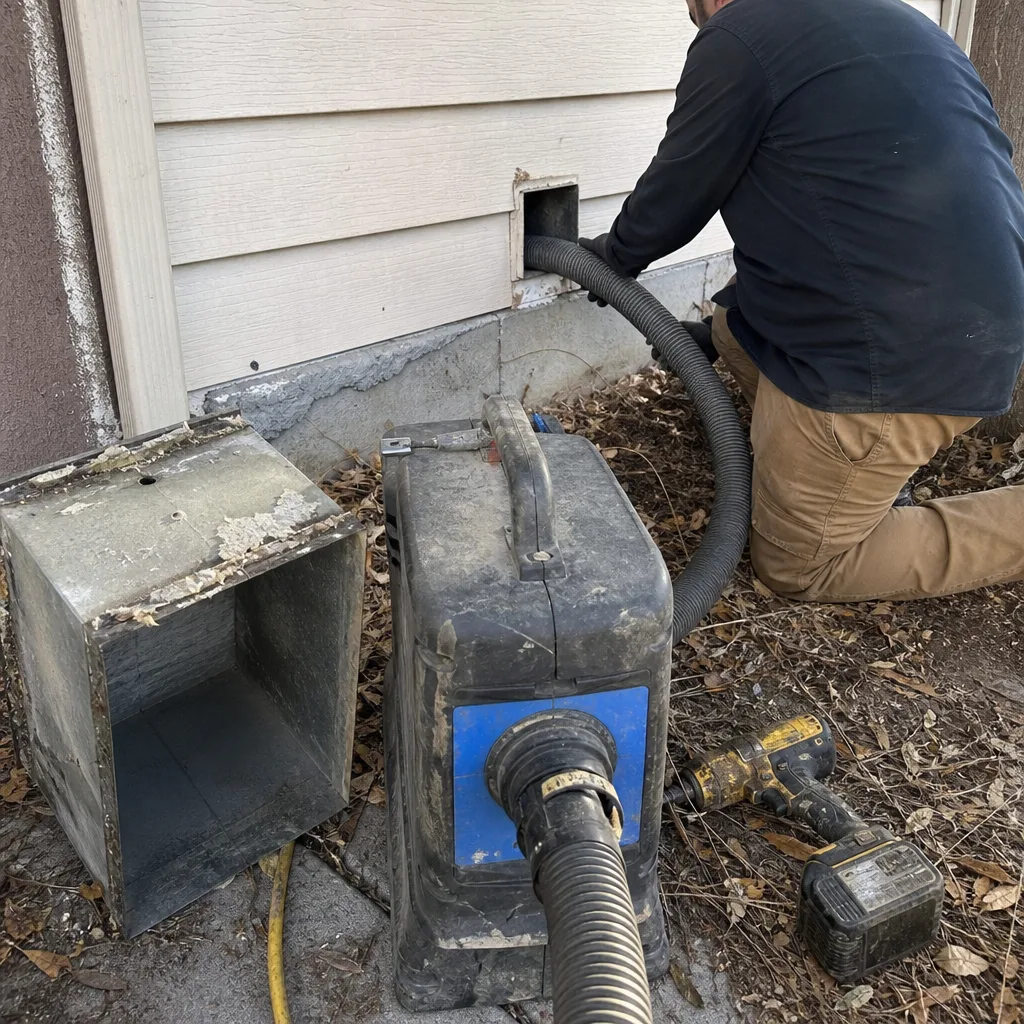 Before
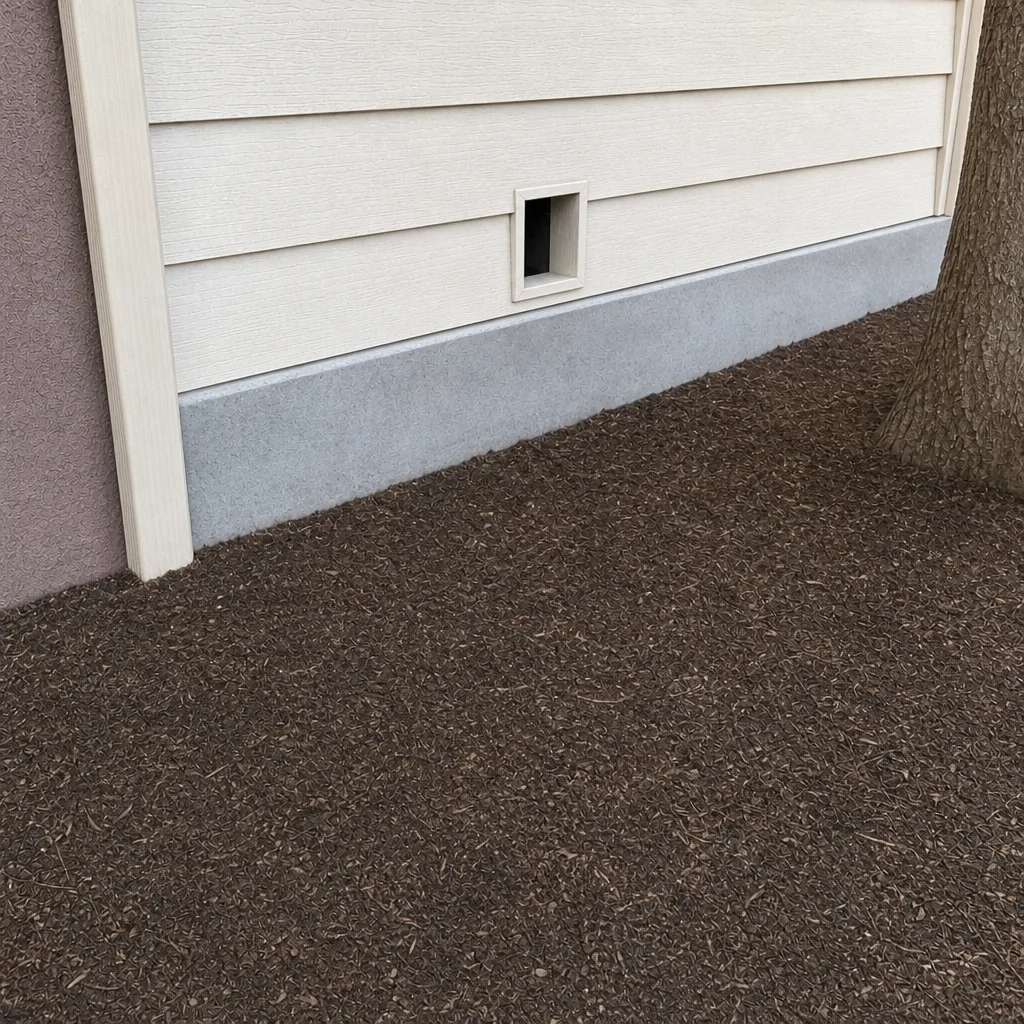 After
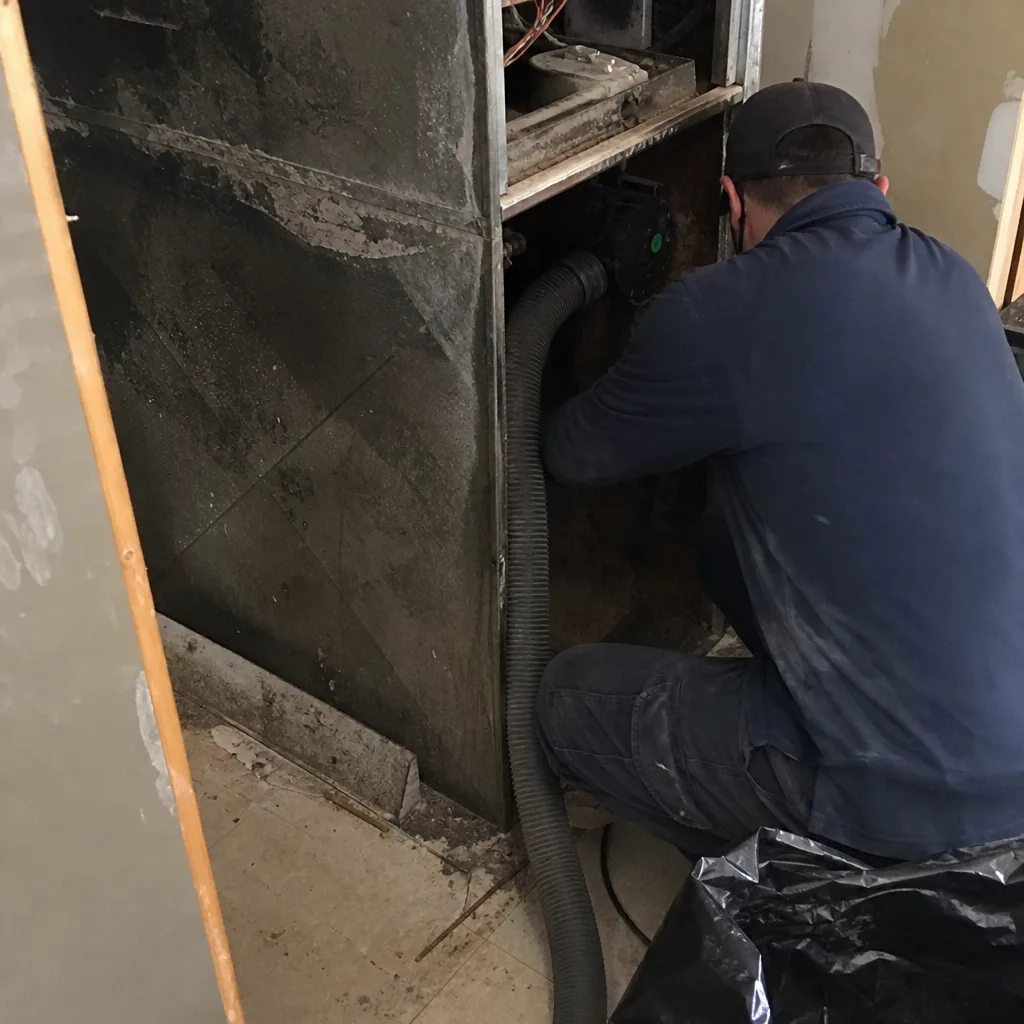 Before
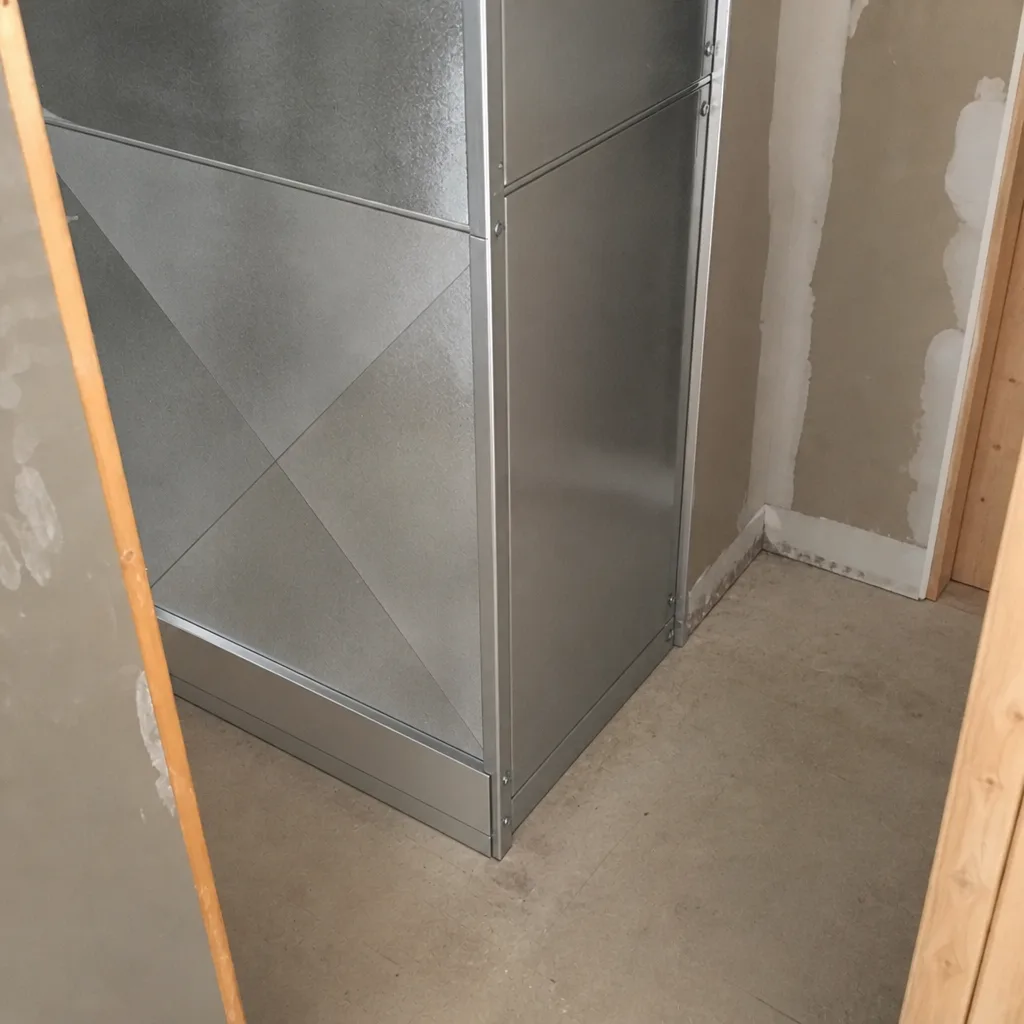 After
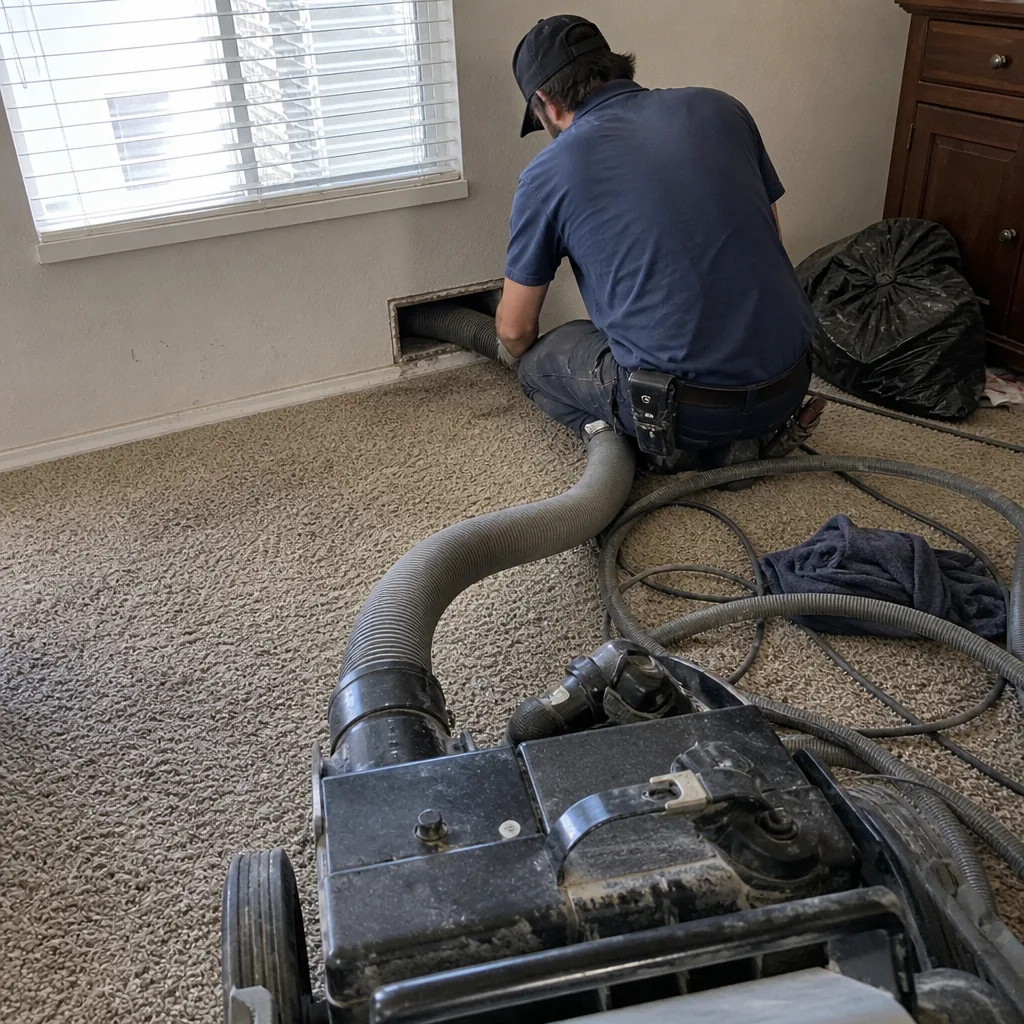 Before
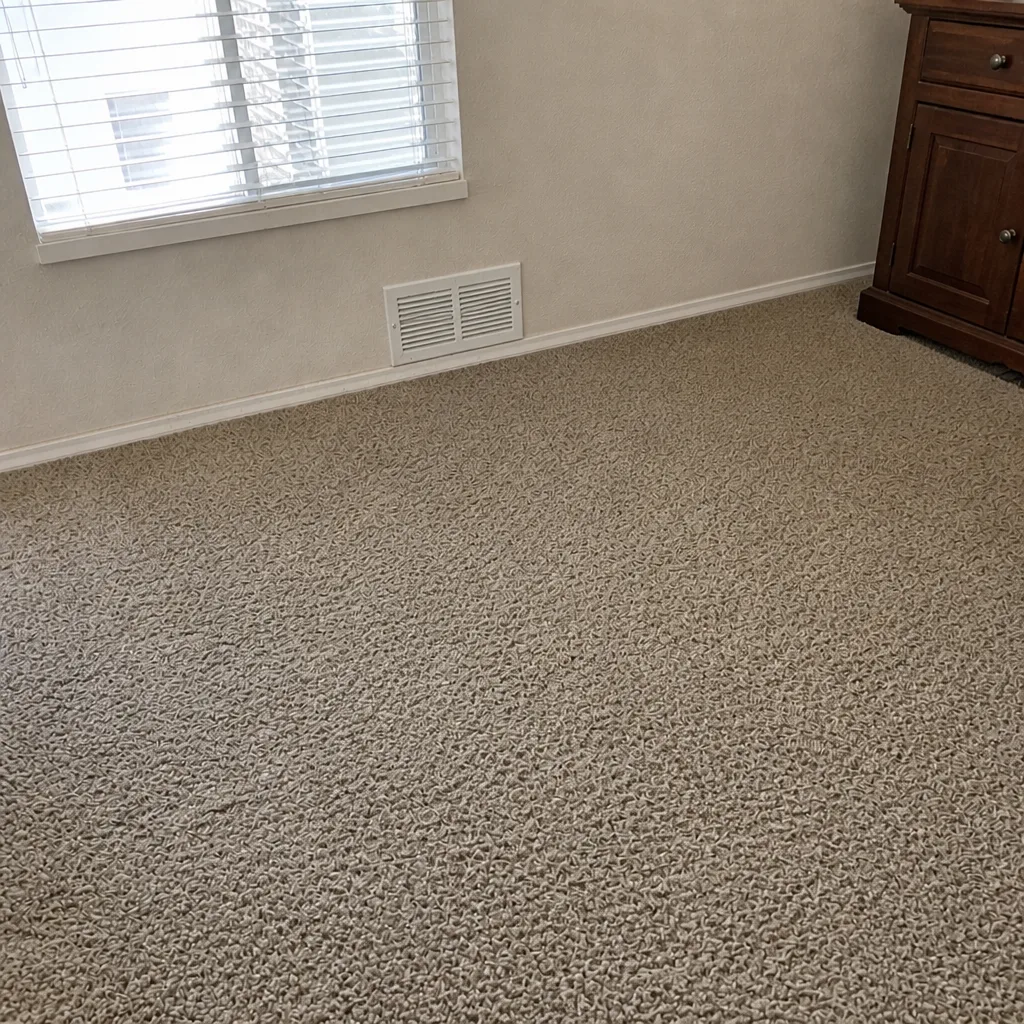 After
When to Call a Professional
Call a professional duct team after any wildfire smoke event in Taylorsville where the smoke reached your neighborhood and your windows were open or your system was running. Call after any water intrusion that reaches the ceiling cavity, ductwork, or plenum, and call after any seismic event strong enough to be felt indoors. Call any time you smell musty odor from a register that won’t clear after several days, or notice visible soot or dark staining inside a return grille. And call before you turn the HVAC back on after a smoke, flood, or earthquake event; a brief inspection is far cheaper than a full system replacement. Taylorsville Air Duct Cleaning Pros offers free estimates in Taylorsville. Call (833) 468-5997. We answer 24/7. A call outside dispatch hours is booked into the next opening, Sunday through Friday, 7am to 7pm.
Frequently Asked Questions
Routine air duct cleaning in Taylorsville typically runs around $300 – $600 for a typical single-family home, depending on register count and accessibility. Smoke remediation with sanitizing is a larger job and typically runs around $600 – $1,200. One flat price per system is agreed in the written estimate before work begins. Call (833) 468-5997 for a free estimate. We answer 24/7.
Cheap quotes usually mean less equipment and less time inside the system. A shop vac and a quick pass over the grilles won’t dislodge adhered contamination from duct walls, and it won’t capture fine particulate at the source. A professional-grade job involves rotary-brush agitation, HEPA-rated capture, and, when needed, a post-cleaning sanitizing stage. If a quote seems too good for a full-system job, it probably isn’t one. Call (833) 468-5997 to talk through what your Taylorsville home actually needs.
Ask for before-and-after photos of your own ducts, taken during the service. Any legitimate provider will photograph the return and supply interiors and the air handler before and after cleaning so you can see the difference yourself. A provider who can’t produce dated photos of your system hasn’t shown you the work. Call (833) 468-5997 to see how we document a job before booking.
Most Taylorsville homes do well with an inspection every two to three years and a cleaning when the inspection shows it’s needed. Homes near open windows during wildfire season, homes with pets, and homes with recent renovations often need a shorter interval. Post-event, call immediately rather than waiting for the routine interval. Call (833) 468-5997 for an inspection timeline tailored to your home.
Do not run the system until it has been inspected. Running the fan is the fastest way to push smoke residue and fine particulate through every room. Shut it off at the thermostat, close the fresh-air intake if you can reach it safely, and call for an inspection first. Call (833) 468-5997 to get an inspection booked.
Coverage depends on your specific policy and the covered cause of loss. Many policies respond to smoke damage and sudden water damage; long-term moisture problems and gradual leaks are often excluded. Documentation matters more than almost anything else, so photograph grilles, water staining, and the air handler before cleaning. A written inspection report from a duct professional supports the claim. Call (833) 468-5997 to book the inspection that produces that report.
The Bottom Line
Duct emergencies are a real preparedness category for Taylorsville homes, not an afterthought after a fire, flood, or earthquake. The three risks are wildfire smoke, moisture intrusion, and seismic damage at the air handler, and each demands a different response: smoke remediation, mold remediation and sanitizing, or repair and resealing. In every case, shut the HVAC off first, document everything, and call a professional before restarting the system. Do the pre-event documentation now, while the system is quiet, so the post-event hours are spent on the right calls instead of guesswork.
If you’re ready for an inspection or a free estimate in Taylorsville, call Taylorsville Air Duct Cleaning Pros at (833) 468-5997. We answer 24/7. Fast dispatch from 7am to 7pm, Sunday through Friday. Our technicians have up to 12 years of experience, and we use Rotobrush, Nikro, and Abatement Technologies equipment on every job so the air you get back is measurably cleaner.
Written by the team at Taylorsville Air Duct Cleaning Pros.